

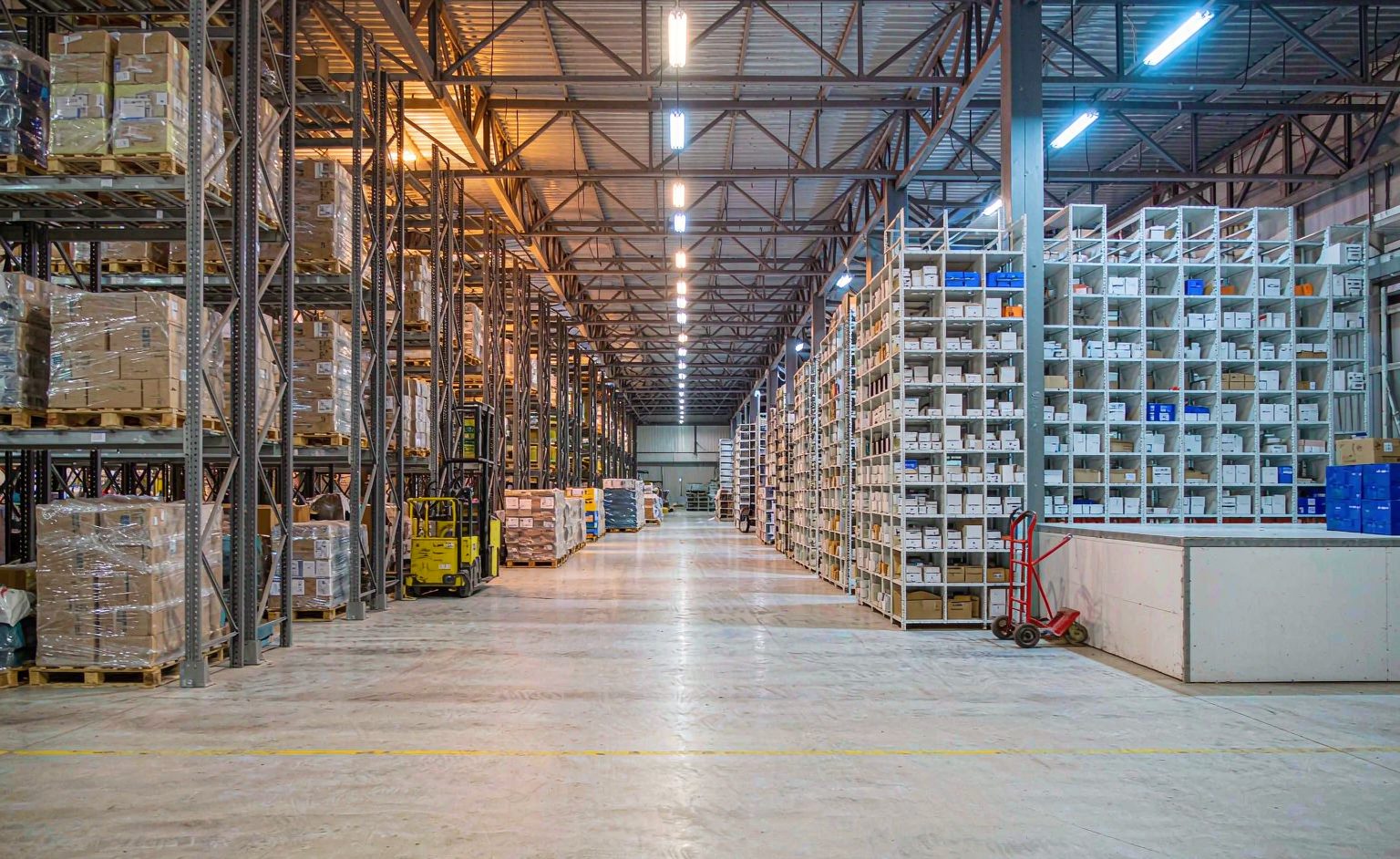
A single warehouse forces every order through one geography: long last-mile in distant markets, and customs friction on cross-border flows. Splitting inventory across nodes — a US hub, a EU hub, an Asia hub — cuts delivery time and can simplify customs, but it introduces routing and inventory-sync complexity that will quietly wreck you if designed badly. This guide covers the routing logic, the allocation rules, the sync architecture, and the trade-offs of running a multi-node network.

Key Takeaways
- Multi-warehouse cuts last-mile distance and can simplify customs via in-region fulfillment.
- Routing must be demand-weighted, not nearest-node naive — stock the SKUs that sell in each region.
- Inventory sync is the failure mode: oversell one node, stockout another.
- Allocation is a trade-off between safety stock cost and delivery-speed gain.
- A 3PL with real API visibility is the prerequisite, not a nice-to-have.
Routing Logic: Demand-Weighted, Not Naive
The naive rule is “ship from the nearest node,” which strands slow-moving SKUs far from where they sell. The correct rule is demand-weighted: stock the SKUs that actually sell in each region in that region’s node, and route each order to the node holding the right SKU with the best delivery profile. This is exactly what our overseas warehousing guide lays out, and choosing the right 3PL decides whether you can execute it.
| Decision | Naive rule | Demand-weighted rule |
|---|---|---|
| Node selection | Nearest to customer | Where the SKU sells + delivery profile |
| Stock placement | Replicate all SKUs everywhere | Regional best-sellers only |
| Overflow | Fail if local out | Route to next-best node |
Inventory Allocation and the Sync Problem
The moment stock lives in two systems, overselling becomes the core risk: node A sells the last unit while node B still shows it. The architecture must sync inventory near-real-time and reconcile allocations so a sale in one node decrements the global pool. The operational model is in how 3PL dropshipping works in 2026. Get the sync wrong and you trade slow delivery for angry “where is my order” tickets.
The Trade-off: Safety Stock vs Speed
Splitting stock means duplicating safety stock across nodes, which raises carrying cost. The gain is delivery speed and, often, smoother customs via in-region fulfillment — the architecture is detailed in our China-to-USA logistics guide. The right balance is found by modeling delivery-time value against duplicated inventory cost per SKU, not by a blanket rule.
Frequently Asked Questions
Does multi-warehouse always cut delivery time?
For distant markets, yes — but only if you stock the right SKUs regionally; naive replication wastes cost.
What breaks multi-warehouse setups?
Inventory sync. Overselling one node while another shows stock is the classic failure.
Do I need a 3PL with an API?
Effectively yes — real-time inventory visibility is the prerequisite for safe multi-node routing.
How much safety stock do I duplicate?
Only on regional best-sellers; model the carrying cost against the delivery-speed gain per SKU.
Does it help with customs?
Often — in-region fulfillment can simplify customs versus shipping cross-border per order.
Should I split all SKUs everywhere?
No. Stock regional best-sellers in each node; keep long-tail SKUs centralized.
Technical background: third-party logistics, warehousing and dropshipping cover the context.