

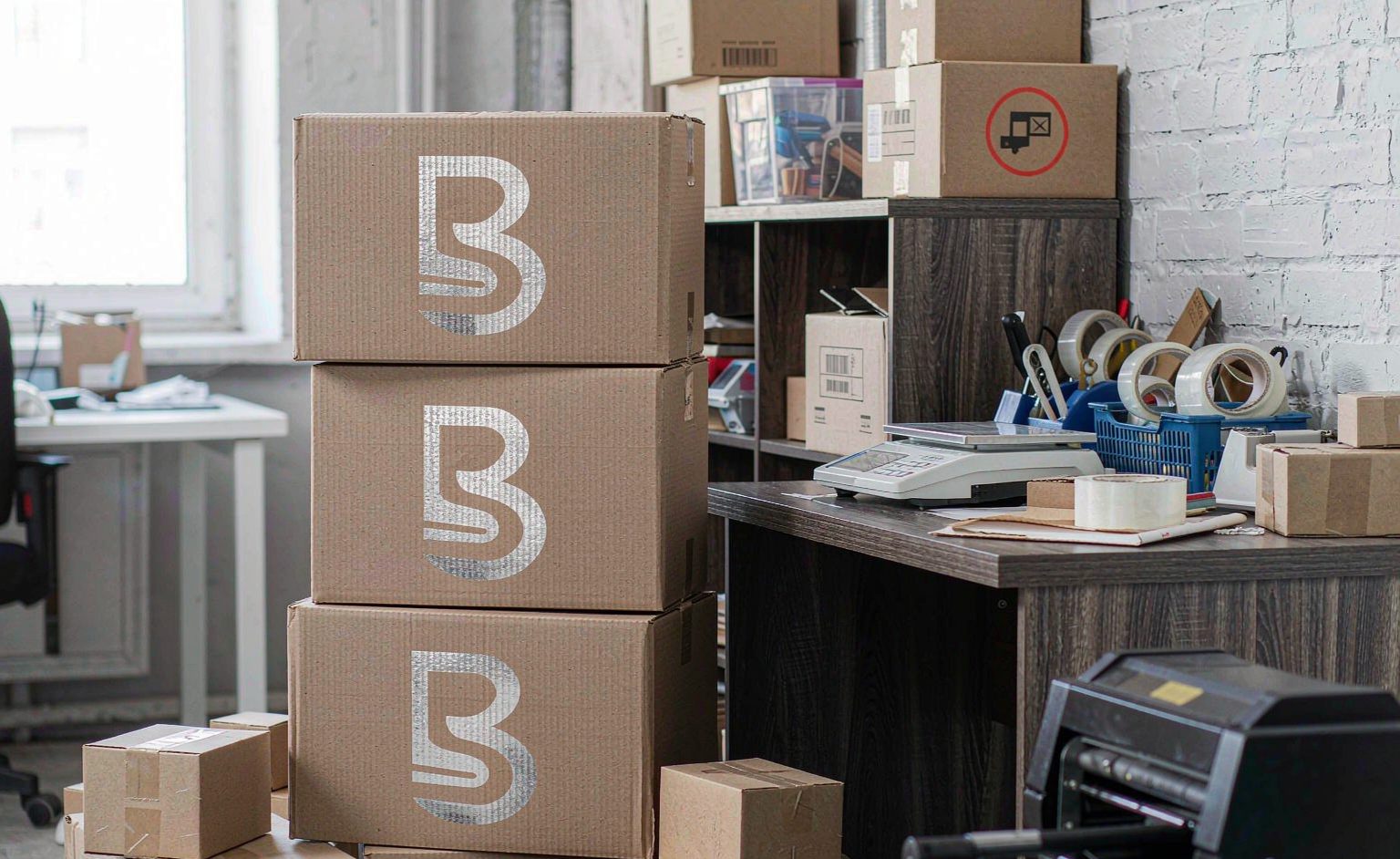
Custom packaging for dropshipping sits at an awkward intersection: buyers want branded unboxing moments, but the dropshipping model ships from supplier warehouses the brand never touches. This guide covers what custom packaging actually costs in a dropshipping chain, which options survive the economics, and where the branding value really comes from.
The Options Ladder: From Free to Fully Branded
| Option | Added cost per order | What the customer sees |
|---|---|---|
| Plain supplier packaging | None | Generic box or polybag, no branding |
| Printed insert card | Low (per-card + insertion fee) | Your brand inside the package |
| Custom tape & stickers | Low-moderate | Brand on the outside, generic inside |
| Supplier’s stock custom boxes | Moderate (MOQ applies) | Branded mailer, supplier-packed |
| Full custom + 3PL repack | Highest (repack labour + box) | Full unboxing experience |
The insert-card row is where most stores should start: it costs the least, requires no change to the supplier’s pack process, and puts the brand where the customer actually looks — inside the box. The full-custom row is where the unboxing experience lives, and it only makes sense above a certain AOV because the repack labour and box cost stack per order.
The Cost Reality in a Dropshipping Chain
Custom packaging costs more in dropshipping than in owned-fulfilment because every layer charges separately: the supplier charges for the custom material or insertion, sometimes a handling fee for the deviation from standard pack, and the shipping class may change if the packaging adds weight or dimensions. Buyers should price the entire chain — packaging, handling fee, shipping delta — per order before committing, because a packaging upgrade that looks cheap per-unit can double the landed cost on light items.
Where Branding Value Actually Comes From
| Signal | What it builds | Achievable in dropshipping? |
|---|---|---|
| Unboxing moment | Social sharing, memorability | Only with full custom + repack |
| Insert card | Repeat-purchase path, coupon capture | Yes — the practical default |
| Branded tape | Transit visibility | Yes — moderate cost |
| Product itself | The real brand carrier | Always — prioritize quality over box |
The last row is the honest one: customers photograph products, not mailers, unless the mailer is exceptional — and exceptional mailers rarely survive the economics above. Stores that win at packaging in dropshipping usually win at the insert card: a well-designed card with a working repeat-purchase offer outperforms a beautiful box with nothing inside but the product. The fulfilment-side decisions that interact with packaging — repack fees, insert handling, branded pack slips — are covered in the 3PL fulfilment guide, and the supplier-side quality checks in the pre-shipment inspection guide.
Frequently Asked Questions
Can dropshipping suppliers use my custom boxes? Some will at MOQ with a storage arrangement; many charge a handling fee per order for non-standard packs. Confirm both before designing anything.
Is custom packaging worth it for a new store? Start with the insert card — it captures the branding value at the lowest cost, and the data from repeat purchases tells you when to upgrade.
Does branded packaging reduce returns? Indirectly — branded packages signal a real company, which reduces buyer-remorse disputes; the effect is real but modest.
Reference: packaging and labeling.