

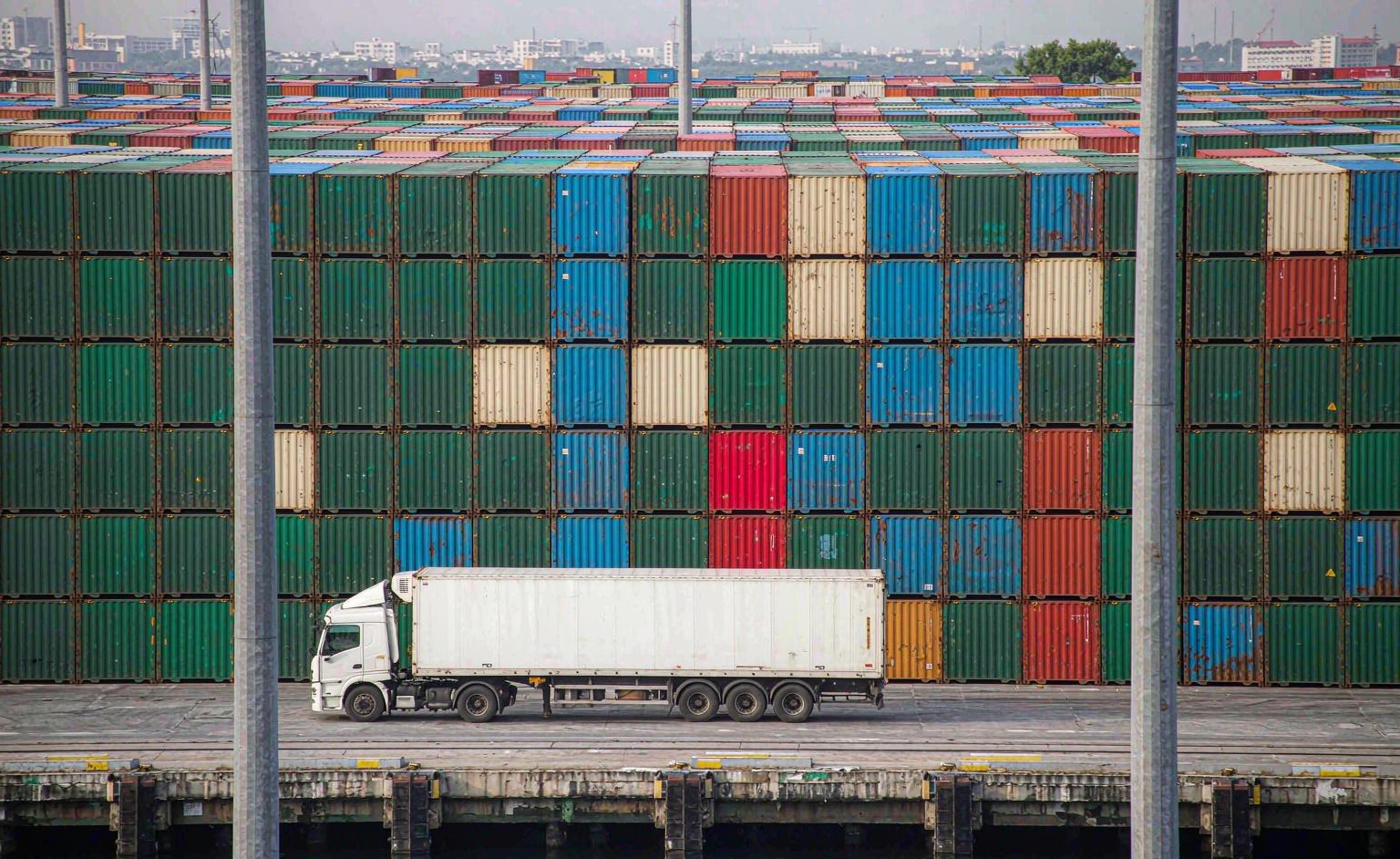
Sellers argue about whether to hold stock in a US warehouse or ship direct from China as if it were a preference. It is a math problem with two answers that change with volume, product value and demand predictability. Local stock buys delivery speed and returns handling at the cost of capital and storage; direct shipping buys capital efficiency at the cost of transit time and customer experience. This guide sets out the calculation.
Key Takeaways
- Compare total landed cost per unit, not the purchase price — freight, duty, storage and capital all move the number.
- Local stock wins on delivery speed, returns and conversion; direct shipping wins on capital efficiency and SKU breadth.
- Demand predictability is the deciding variable: predictable demand justifies stock, unpredictable demand punishes it.
- A dual-route setup — fast movers local, long tail direct — captures both without choosing one.
- Calculate the carrying cost of holding stock before assuming it is the cheaper option.
The Two Cost Structures
Each path carries a different cost structure, and the structures cross over at a volume that depends on your product.
| Cost element | US warehouse | Direct from China |
|---|---|---|
| Freight per unit | Low — consolidated sea freight amortised | High — small parcels or air at low volume |
| Duty and fees | Paid once at import, on the consolidated shipment | Paid per parcel under de minimis or per-shipment rules |
| Storage | Monthly, per pallet / bin / cubic foot | None at destination |
| Capital tied up | High — stock sitting in a warehouse | Low — stock only when ordered |
| Obsolescence risk | Yours — unsold stock is your loss | Lower — you buy after the order |
The element sellers most often omit is capital. Stock sitting in a warehouse is money that could be elsewhere, and the carrying cost — storage plus capital plus obsolescence — frequently exceeds the freight saving that motivated holding it. The full cost composition is set out in our overseas warehousing guide.
The Delivery-Time Side of the Equation
Cost is only half the comparison; the other half is what the delivery time does to conversion and returns.
| Factor | Local stock | Direct from China | |
|---|---|---|---|
| Typical delivery window | Days | Weeks | |
| Returns handling | Practical — return to a local address | Often uneconomic — refund without return | |
| Customer expectation | Meets standard e-commerce expectations | Must be stated clearly before purchase | |
| Repeat purchase | Higher — faster reorder cycle | Lower — longer gap before repeat |
The returns row is where the economics often flip. When return shipping exceeds the product’s margin, the practical policy is refund-without-return, which converts a quality problem into a pure loss. That single line item can erase the entire freight saving of the direct path.
When Each Path Wins
The decision follows from two variables: demand predictability and product value-to-weight ratio.
| Profile | Better path | Why |
|---|---|---|
| Predictable demand, proven SKU | US warehouse | Stock turn justifies the carrying cost; speed lifts conversion |
| Unpredictable or new SKU | Direct from China | No capital at risk before demand is proven |
| High value, low weight | Either — freight is a small share | Choose on demand certainty, not freight |
| Low value, heavy or bulky | US warehouse | Per-parcel direct freight destroys the margin |
| Long-tail catalogue | Direct from China | Stocking every variant is uneconomic |
Note that dimensional weight drives the heavy-item row. Two boxes with the same weight can have very different billed weight, which is why dimensional measurement matters more than most sellers expect — the method is covered in our box measurement guide.
The Dual-Route Setup
Most growing sellers do not choose one path; they run both. Fast movers with proven demand sit in a local warehouse; slow movers and new tests ship direct. The result is local delivery speed where it converts, and capital efficiency everywhere else.
The requirement is inventory visibility across both pools, so you do not promise local delivery on an item that is not there. The operating model for running two locations against one storefront is described in our multi-warehouse dropshipping guide, and the provider selection questions are in our 3PL selection guide.
Frequently Asked Questions
Is a US warehouse cheaper than shipping from China?
It depends on volume and demand predictability. Local stock has higher carrying cost but lower per-unit freight; direct shipping inverts both. The comparison must be made on total landed cost at your real volume.
What is landed cost?
Product cost plus freight, duty, fees, storage and the capital tied up in inventory. Comparing purchase prices alone is the most common error in this decision.
How much faster is local stock?
Typically days instead of weeks. The speed affects conversion, returns economics and repeat-purchase cycle, not just the customer’s waiting time.
What are the hidden costs of holding inventory?
Storage, capital tied up, obsolescence and the risk of stocking a SKU that does not sell. These frequently exceed the freight saving that motivated holding stock.
Can I run both local stock and direct shipping?
Yes, and most growing sellers do: fast movers local, long tail direct. It requires inventory visibility across both pools so you never promise local delivery on stock that is not there.
How do I decide for a new product?
Start direct from China until demand is proven, then move proven SKUs local. Stocking an unproven product puts capital at risk before you know it sells.
Does product weight change the answer?
Significantly. Heavy or bulky items are usually uneconomic to ship per parcel, which pushes the decision toward local stock regardless of demand certainty.
Technical background: landed cost, inventory management and just-in-time supply explain the cost and inventory concepts referenced above.