

Order fulfillment is the part of e-commerce customers actually feel: it is the
box on the doorstep, the tracking email, and the return label. For a dropshipping
or 3PL model, fulfillment is a sequence of handled steps, and each step has a cost
and a time budget. This guide walks the real flow so a merchant can scope a
provider without surprises.
The fulfillment sequence
| Step | What happens | Typical time |
|---|---|---|
| Receive | Inventory arrives, counted, QC-checked, put away | 1 – 2 days |
| Store | Bin or pallet location assigned in WMS | ongoing |
| Order receipt | Store API pushes order to WMS | реальном времени. |
| Pick | Items pulled from locations | minutes |
| Pack | Box, dunnage, label, weight | minutes |
| Ship | Carrier picks up, last-mile delivery | 2 – 7 days |
| Возврат | Reverse flow, inspection, restock | 3 – 10 days |
What a 3PL actually does
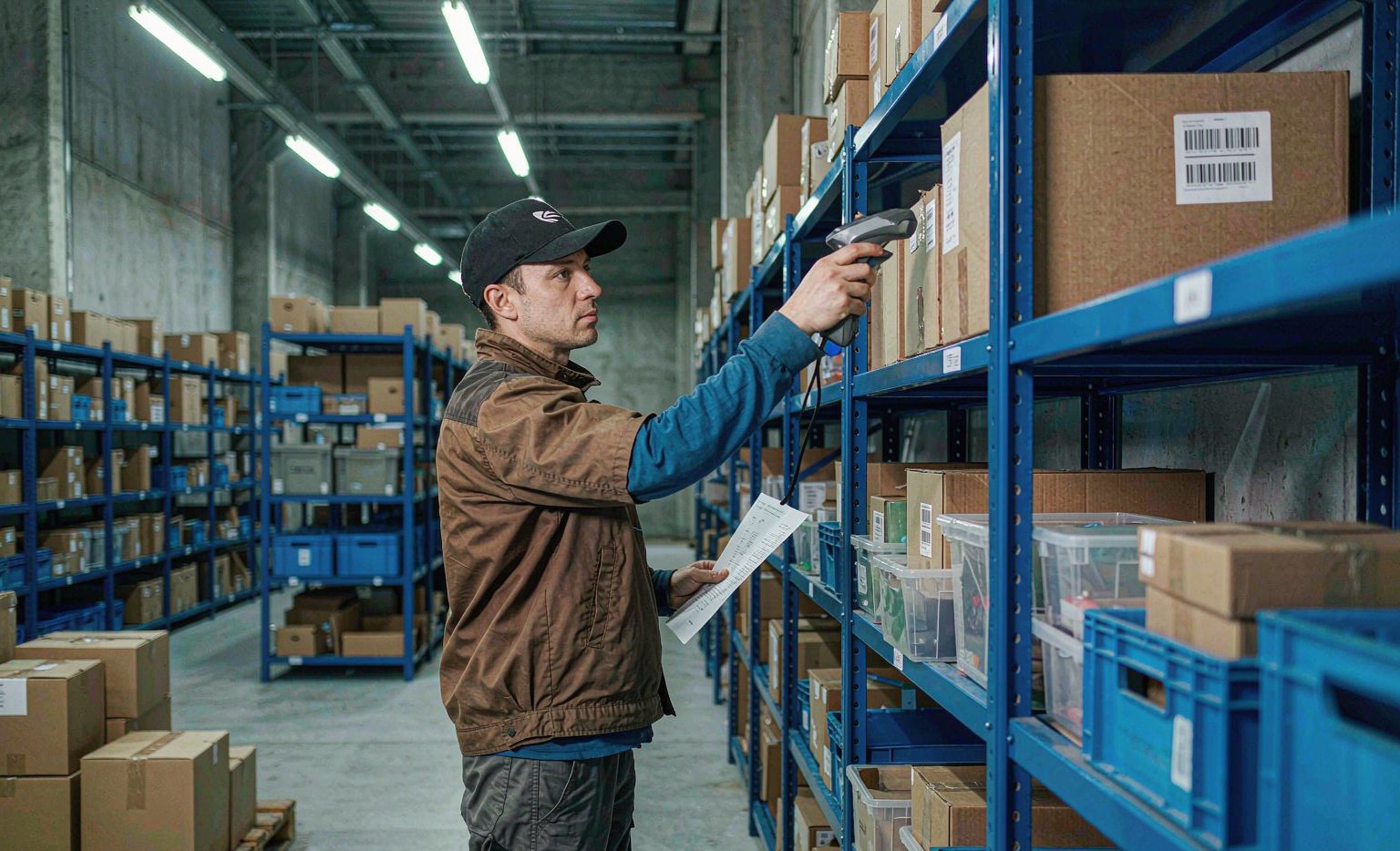
A third-party logistics provider owns the space, labor and systems so the
merchant does not. The merchant sends inventory in bulk; the 3PL receives,
stores, and ships individual orders as they arrive. The value is proximity —
inventory parked near the customer cuts transit from a week-plus to two or three
days — and the ability to scale for peaks without hiring. A good WMS links to the
storefront so orders flow without manual re-keying.
Carriers and last mile
In the US, UPS, FedEx and USPS carry most parcels; DHL and regional carriers
handle international and zone-skipping. Many cross-border flows use a national
post for final delivery (the “last mile”), which is cheap but slower. Transit
from a domestic warehouse is typically 2–5 business days; from an overseas
supplier with no local stock it is often 7–20 days. Delivery speed is a function
of where inventory sits, not of the storefront’s speed.
Cost components
The bill is rarely one number. Expect storage (per bin or pallet per month),
a pick-and-pack fee per order, outbound shipping by weight and zone, and
packaging material. Minimums and peak surcharges apply. The trap is comparing
only the pick-pack rate while ignoring storage and shipping, which usually
dominate at volume. A provider with a low per-order fee but distant warehouses
can cost more in transit than one with higher fees and local stock.
Accuracy and SLAs
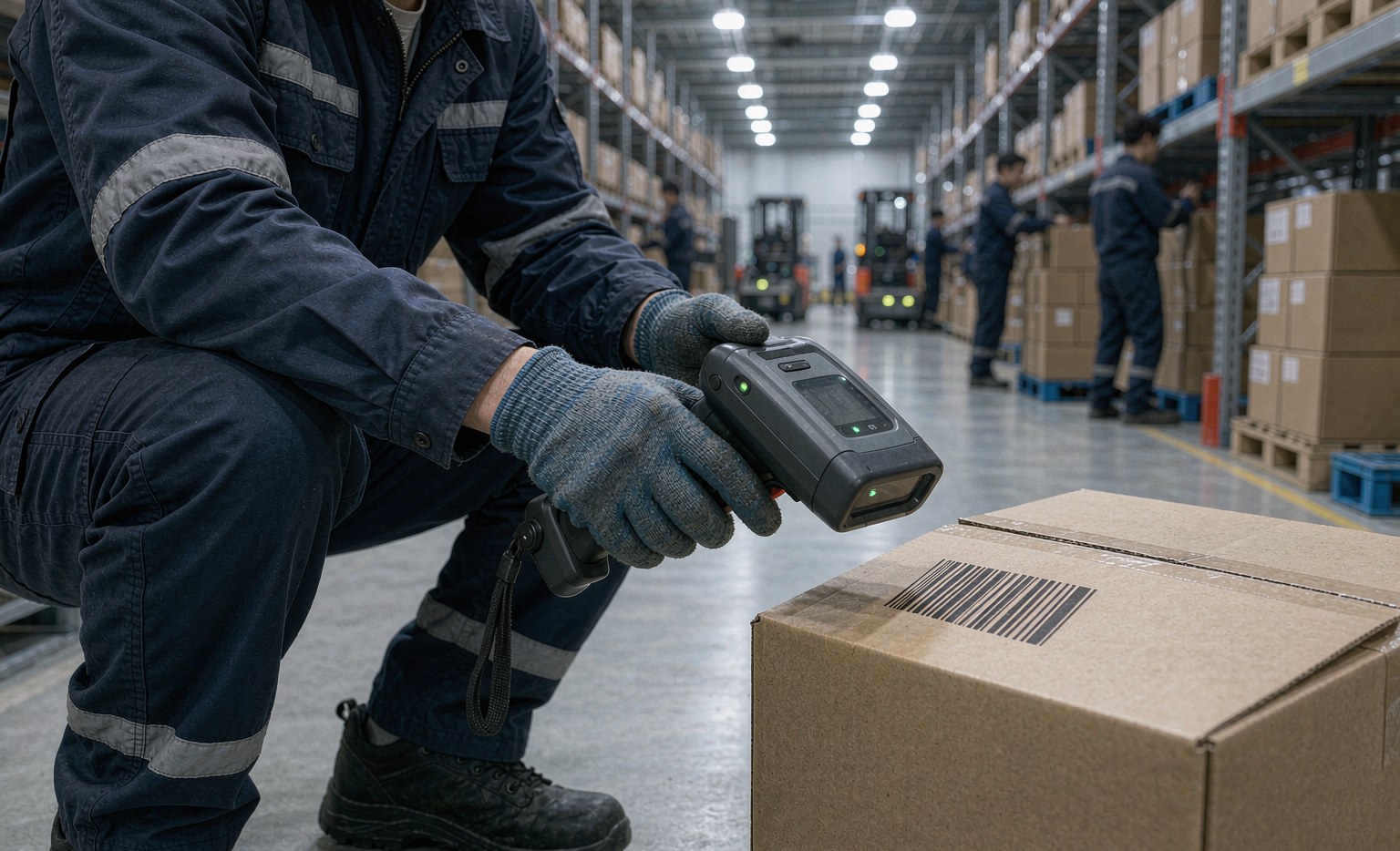
Mature operations target pick accuracy of 99.9 % or better, with order
cut-offs (e.g., 14:00 local) that decide same-day vs next-day dispatch. Missed
cut-offs and wrong items are the two things customers remember, so the SLA that
matters is dispatch time plus error rate, not the marketing line. Ask a provider
for their real accuracy and their peak-season plan before signing — peaks are
where weak operations break.
Packaging and dimensional weight
Carriers bill on the greater of actual weight and dimensional (volumetric) weight,
so an oversized box can cost as much as a heavy one. Right-sizing cartons and reducing
void fill is one of the fastest ways to cut shipping cost, and it also lowers damage
rates because goods move less in transit. Many 3PLs stock a range of carton sizes for
exactly this reason.
Protective packaging — air pillows, paper, molded pulp — adds cost only if chosen
poorly; matching the protection to the product’s fragility avoids paying for material
the item does not need.
Technology: WMS and integration
A warehouse management system (WMS) is what turns a warehouse into a fulfillment
operation: it tracks locations, directs picks, and pushes tracking numbers back to the
storefront. Integration is usually via API or EDI, and real-time inventory sync is what
prevents overselling. When choosing a provider, ask how their system handles
exceptions — a short pick, a damaged unit, a backorder — because that path is where
most customer complaints originate.
Returns and reverse logistics
Returns are fulfillment running backwards, and they are costlier per unit because
they are unpredictable. A returns-capable operation receives the parcel, inspects it,
decides restock, refurbish or discard, then updates inventory so the item can be sold
again if it qualifies. Without that loop, returned stock rots on a shelf and the
refund becomes a pure loss. Providers that handle returns as a defined process, not an
afterthought, cut the true cost of every sale.
Choosing carriers and zones
Carrier choice is a zone and weight problem: a carrier strong in one zone can be the
most expensive in another, and negotiated rates rarely apply to every lane. Mapping the
order mix to zones and assigning carriers accordingly usually saves more than squeezing
a few cents off a single carrier’s base rate. Domestic warehouses shrink the zone
spread, which is often the larger lever.