

El cumplimiento de pedidos es la parte del comercio electrónico que los clientes realmente sienten: es el
paquete en el umbral, el correo de seguimiento y la etiqueta de devolución. Para un modelo de dropshipping
o 3PL, el cumplimiento es una secuencia de pasos gestionados, y cada paso tiene un coste
y un presupuesto de tiempo. Esta guía describe el flujo real para que un comerciante pueda evaluar a un
proveedor sin sorpresas.
La secuencia de cumplimiento
| Paso | Qué sucede | Tiempo típico |
|---|---|---|
| Recepción | El inventario llega, se cuenta, se verifica en control de calidad y se almacena | 1 – 2 días |
| Almacenamiento | Se asigna ubicación en hueco o palet en el WMS | Continuo |
| Recepción del pedido | La API de la tienda envía el pedido al WMS | tiempo real |
| Retirada | Los artículos se retiran de sus ubicaciones | Minutos |
| Embalaje | Caja, material de relleno, etiqueta, peso | Minutos |
| Envío | El transportista recoge, entrega en el último kilómetro | 2 – 7 días |
| Devoluciones | Flujo inverso, inspección, reposición | 3 – 10 días |
Qué hace realmente un 3PL
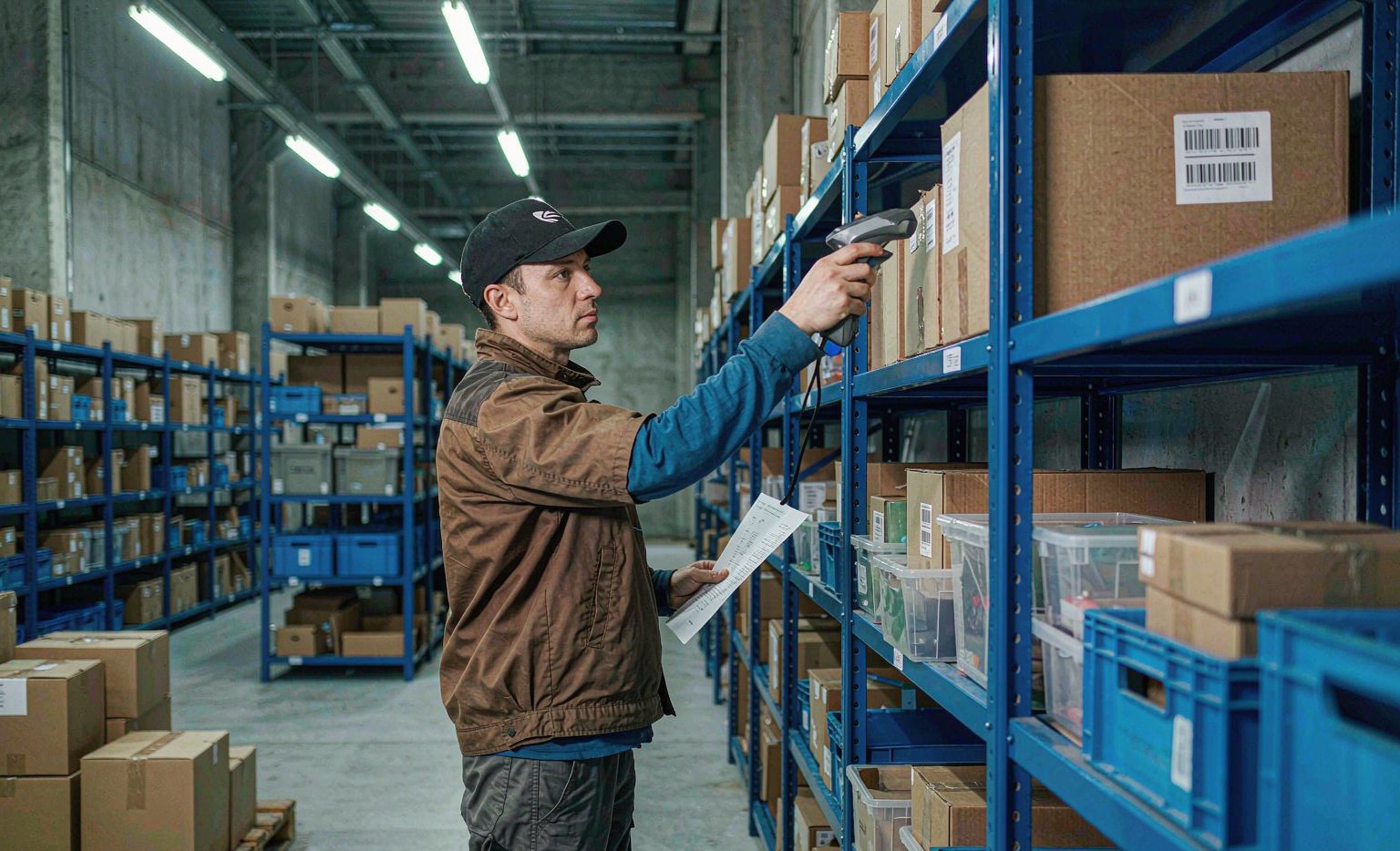
Un proveedor de logística de terceros posee el espacio, la mano de obra y los sistemas, por lo que el
comerciante no los tiene. El comerciante envía inventario a granel; el 3PL recibe,
almacena y envía pedidos individuales a medida que llegan. El valor está en la cercanía: el
inventario almacenado cerca del cliente reduce el tránsito de más de una semana a dos o tres
días, y la capacidad de escalar para picos sin contratar personal. Un buen WMS se conecta con la
tienda en línea para que los pedidos fluyan sin reingreso manual de datos.
Transportistas y último kilómetro
En EE. UU., UPS, FedEx y USPS transportan la mayoría de los paquetes; DHL y transportistas regionales
manejan los envíos internacionales y el salto de zona. Muchos flujos transfronterizos utilizan un
correo nacional para la entrega final (el “último kilómetro”), lo cual es barato pero más lento. El tránsito
desde un almacén doméstico suele ser de 2 a 5 días hábiles; desde un proveedor extranjero
sin existencias locales, a menudo es de 7 a 20 días. La velocidad de entrega es una función
de dónde se ubica el inventario, no de la velocidad de la tienda en línea.
Componentes del coste
La factura rara vez es un solo número. Espere almacenamiento (por hueco o palet al mes),
una tarifa de retiro y embalaje por pedido, envío saliente por peso y zona, y
material de embalaje. Se aplican mínimos y recargos por picos. La trampa es comparar
solo la tarifa de retiro y embalaje ignorando el almacenamiento y el envío, que suelen
predominar a gran volumen. Un proveedor con una tarifa baja por pedido pero almacenes lejanos
puede costar más en tránsito que uno con tarifas más altas y existencias locales.
Precisión y acuerdos de nivel de servicio (SLA)
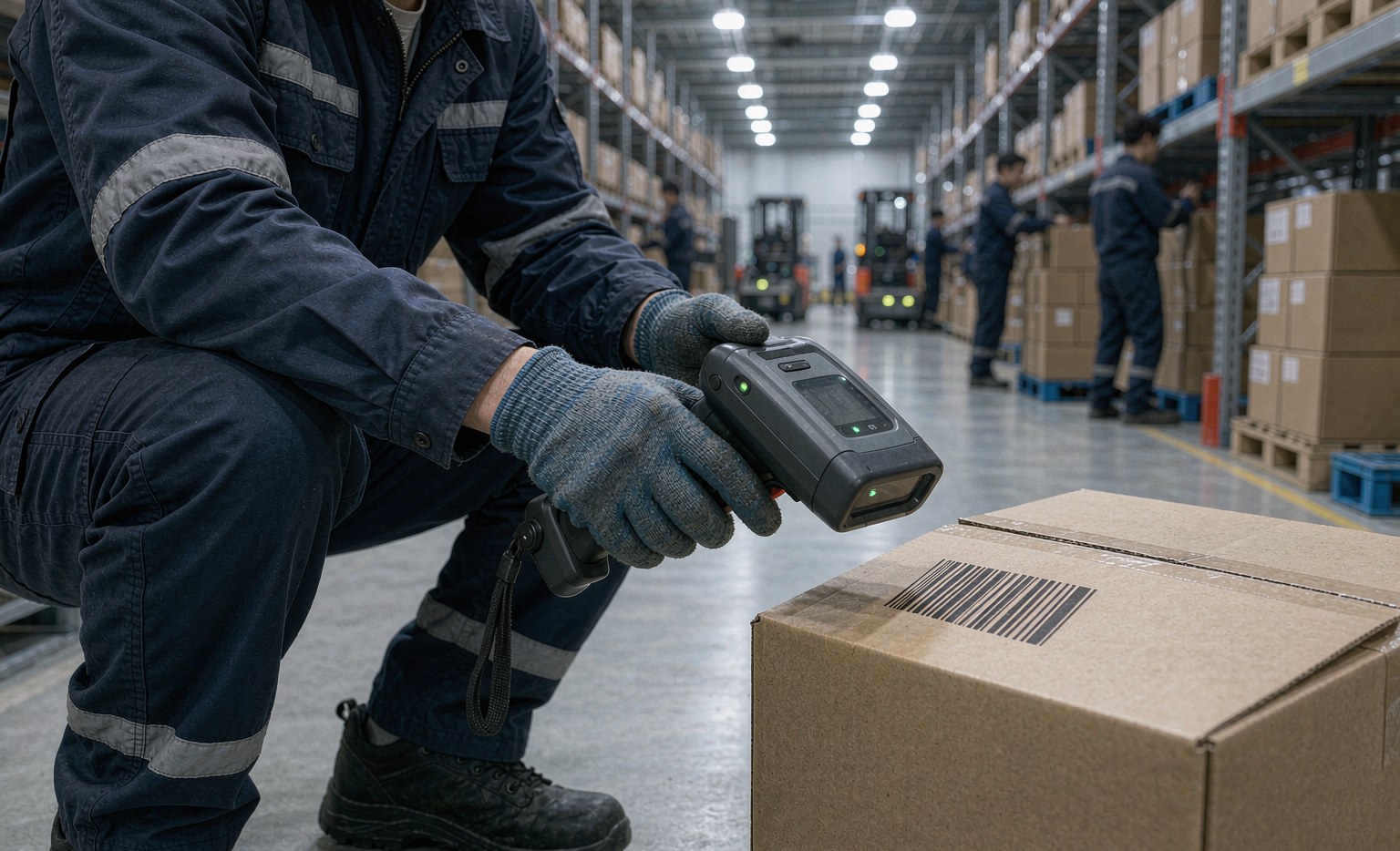
Las operaciones maduras buscan una precisión de retiro del 99.9 % (TPD) o mejor, con pedido
cut-offs (e.g., 14:00 local) that decide same-day vs next-day dispatch. Missed
cut-offs and wrong items are the two things customers remember, so the SLA that
matters is dispatch time plus error rate, not the marketing line. Ask a provider
for their real accuracy and their peak-season plan before signing — peaks are
where weak operations break.
Packaging and dimensional weight
Carriers bill on the greater of actual weight and dimensional (volumetric) weight,
so an oversized box can cost as much as a heavy one. Right-sizing cartons and reducing
void fill is one of the fastest ways to cut shipping cost, and it also lowers damage
rates because goods move less in transit. Many 3PLs stock a range of carton sizes for
exactly this reason.
Protective packaging — air pillows, paper, molded pulp — adds cost only if chosen
poorly; matching the protection to the product’s fragility avoids paying for material
the item does not need.
Technology: WMS and integration
A warehouse management system (WMS) is what turns a warehouse into a fulfillment
operation: it tracks locations, directs picks, and pushes tracking numbers back to the
storefront. Integration is usually via API or EDI, and real-time inventory sync is what
prevents overselling. When choosing a provider, ask how their system handles
exceptions — a short pick, a damaged unit, a backorder — because that path is where
most customer complaints originate.
Returns and reverse logistics
Returns are fulfillment running backwards, and they are costlier per unit because
they are unpredictable. A returns-capable operation receives the parcel, inspects it,
decides restock, refurbish or discard, then updates inventory so the item can be sold
again if it qualifies. Without that loop, returned stock rots on a shelf and the
refund becomes a pure loss. Providers that handle returns as a defined process, not an
afterthought, cut the true cost of every sale.
Choosing carriers and zones
Carrier choice is a zone and weight problem: a carrier strong in one zone can be the
most expensive in another, and negotiated rates rarely apply to every lane. Mapping the
order mix to zones and assigning carriers accordingly usually saves more than squeezing
a few cents off a single carrier’s base rate. Domestic warehouses shrink the zone
spread, which is often the larger lever.