

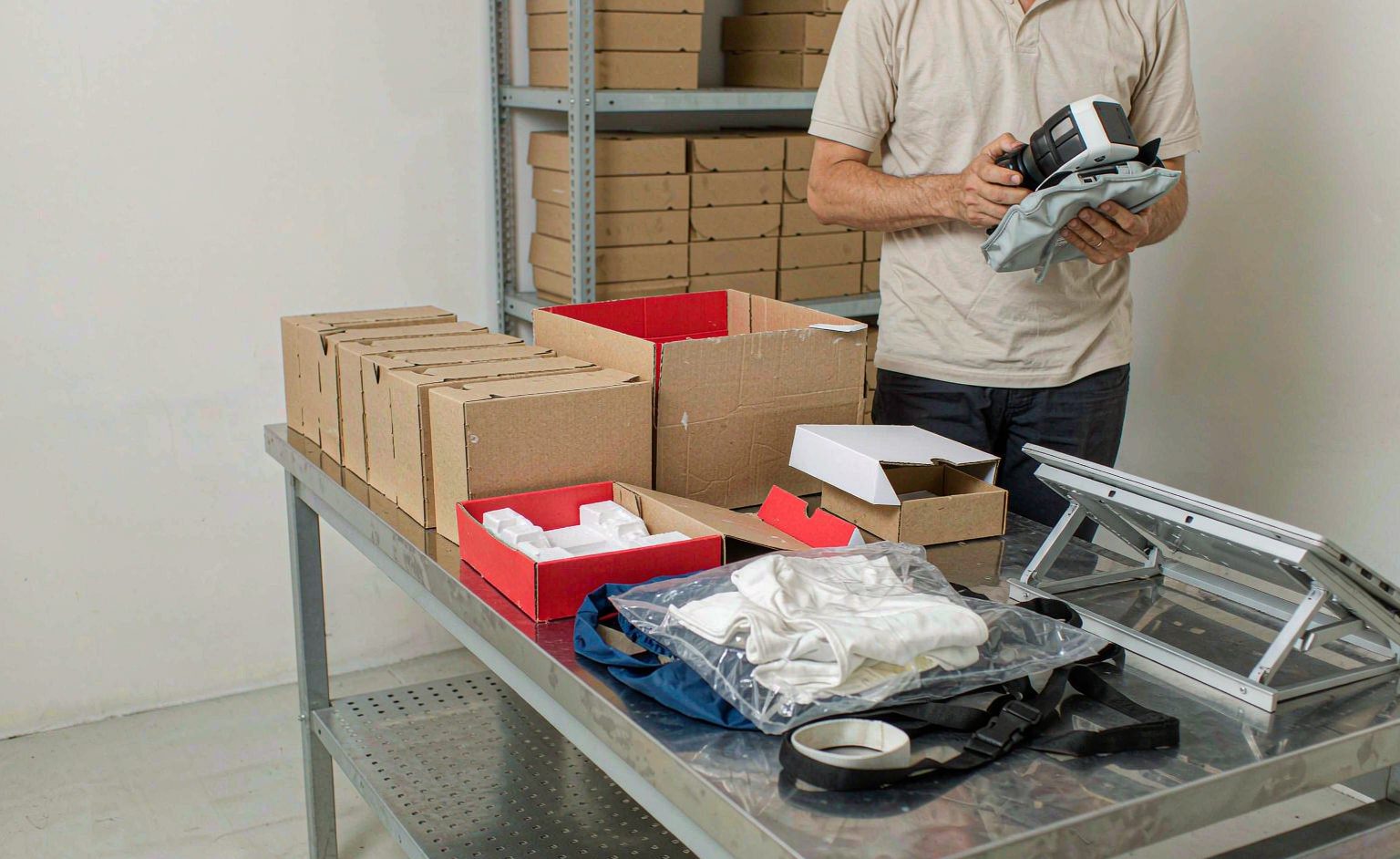
Returns are the most expensive part of most dropshipping operations and the least designed. The forward flow gets a warehouse, an integration and a pick-pack spec; the return flow gets a policy page and an email address. Yet the return path consumes freight, labour, inspection and often the product itself, and it is where a chargeback starts. This guide sets out the workflow and where the economics are decided.

Key Takeaways
- Most return cost is decided before the customer contacts you — at product, listing and packaging stages.
- An RMA workflow has five stages; the decision stage is where cost is contained or lost.
- Refurbishment cost is labour plus parts plus re-packaging, and it only pays above a value threshold.
- Refund-without-return is rational when return freight exceeds the item’s margin.
- Return reasons mapped to defect categories show which upstream fix removes the most cost.
The Five Stages of an RMA Workflow
A returns process is a workflow with a decision gate in the middle, and the gate is where cost is contained.
| Stage | What happens | Where it goes wrong |
|---|---|---|
| Request | Customer submits reason and evidence | No structured reason capture, so no data |
| Authorisation | You decide: return, refund, replace or reject | Auto-approving everything, including keep-it cases |
| Transit | Item ships back to a returns address | Freight exceeds item value; no tracking |
| Inspection | Item is received, graded and categorised | No grading, so no data and no restock decision |
| Disposition | Restock, refurbish, liquidate or scrap | Everything restocked regardless of condition |
The authorisation stage is the leverage point. Every return authorised without a reason check teaches customers that returns are free, and every item accepted without inspection pollutes sellable stock. The customer-facing half of this process is covered in our dropshipping customer service guide.
What Refurbishment Actually Costs
Refurbishing a returned item is a small manufacturing operation, and it has a cost floor.
| Cost element | What it covers | Why it matters |
|---|---|---|
| Inspection labour | Receiving, grading, testing | Paid per unit regardless of outcome |
| Replacement parts | Missing or damaged components | Can exceed the item’s resale value |
| Re-packaging | New box, bag, insert, seal | Original packaging is rarely reusable |
| Handling and restock | Put-away into sellable stock | Only worth it if the item resells |
The rule that follows: refurbishment only pays above a value threshold. For low-value items, the labour alone exceeds the recovery, and the rational disposition is liquidation or scrap. Set that threshold per category in advance, so the decision is a policy rather than a negotiation with each returned unit. The process behaviour is described in refurbishment references.
When Refund-Without-Return Beats Return Shipping
For low-value items, asking the customer to ship the product back is usually the more expensive option for both sides.
| Condition | Better policy | Why |
|---|---|---|
| Return freight exceeds item margin | Refund without return | Cheaper than the freight plus handling |
| Item is hygiene-sensitive or opened | Refund without return | Cannot be resold regardless |
| High-value or resellable item | Require return | Recovery value justifies the freight |
| Defective with resale value after repair | Require return | Refurbishment recovers part of the cost |
Refund-without-return converts a quality problem into a known, bounded loss instead of an open-ended one. The reverse-logistics framework behind this trade-off is explained in reverse logistics references.
Where the Return Rate Is Actually Decided
The return rate is an upstream outcome, not a returns-department outcome. Three levers move it more than any returns policy.
| Lever | What it removes | Where to act |
|---|---|---|
| Product and specification quality | Defect-driven returns | Supplier QC and pre-shipment inspection |
| Listing accuracy | Expectation-mismatch returns | Photos, dimensions, material and compatibility claims |
| Packaging adequacy | Transit-damage returns | Right-sized box and correct protection |
Map your return reasons to defect categories and the ranking is usually obvious. If defect-driven returns dominate, the fix is upstream in inspection — the workflow is covered in our pre-shipment inspection guide and our QC playbook. If expectation-mismatch dominates, the fix is in the listing, not the warehouse.
One more connection worth making: unresolved returns are a direct chargeback feeder. A customer who cannot get a refund through your process goes to the card issuer instead, and the evidence requirements for disputing that are covered in our chargeback prevention guide.
Frequently Asked Questions
What is an RMA in dropshipping?
A return merchandise authorisation — the process of requesting, approving, receiving and disposing of a returned item. It has five stages, and the authorisation decision is where cost is contained.
How do I reduce my dropshipping return rate?
Upstream, not in the returns department: improve product and specification quality, make listings accurate on dimensions and materials, and package adequately for transit.
When should I offer refund without return?
When return freight exceeds the item’s margin, or when the item cannot be resold anyway — opened, hygiene-sensitive or damaged beyond refurbishment.
Is refurbishing returned items worth it?
Only above a value threshold. Inspection labour, replacement parts and re-packaging have a cost floor; below it, liquidation or scrap is the rational disposition.
What is the most expensive returns mistake?
Auto-approving every request without a reason check, then restocking everything without inspection. It teaches customers returns are free and pollutes sellable stock.
How do returns lead to chargebacks?
A customer who cannot get resolution through your process disputes with the card issuer instead. Good returns documentation is also the evidence that supports a dispute.
Should I set a disposition threshold per category?
Yes. Deciding refurbish-versus-scrap in advance, per category, turns a per-unit negotiation into a policy and removes the most common source of inconsistent returns decisions.
Technical background: return merchandise authorisation, reverse logistics and refurbishment explain the workflow and the disposition framework referenced above.