

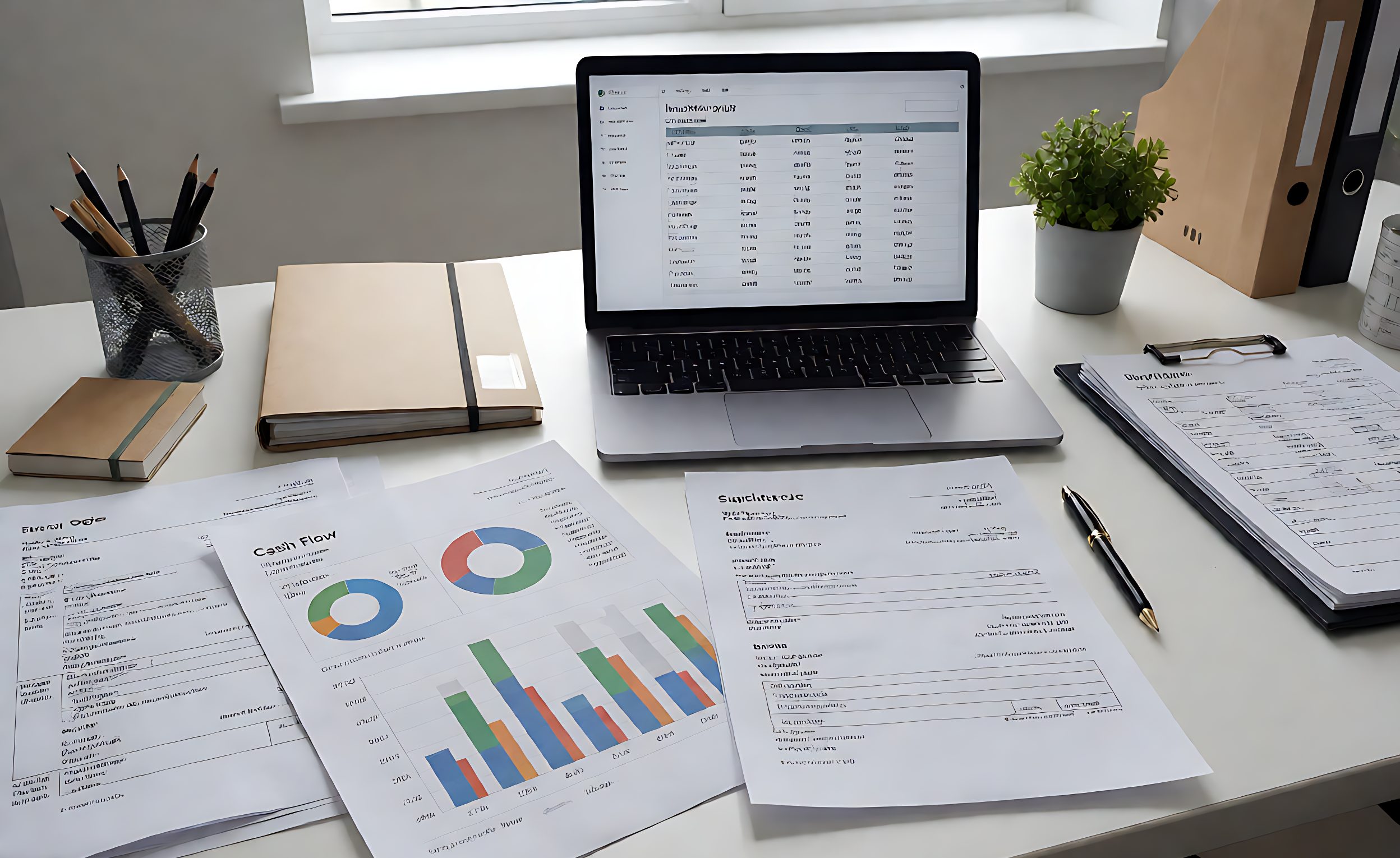
The constraint on a growing wholesale operation is rarely demand. It is the gap between paying a supplier and being paid by a customer. That gap, multiplied by order size, sets a hard ceiling on how much stock a business can reorder at once – and it is invisible on a profit and loss statement, which is why otherwise healthy businesses run out of cash while showing a profit.
Understanding the cycle turns a vague anxiety about cash into a number you can manage. Once you know how many days each unit of currency is tied up, you can see exactly which lever – supplier terms, order frequency, lead time or channel mix – will release it.
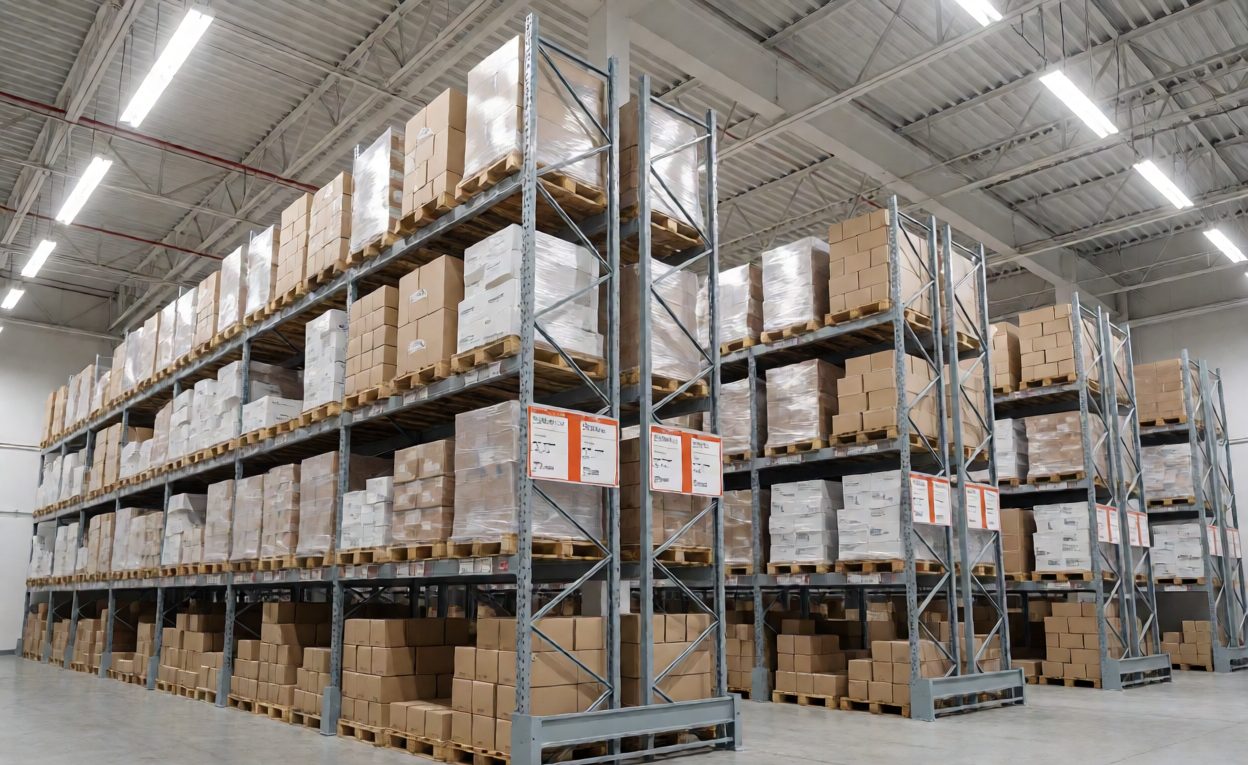
The Cash Conversion Cycle in Plain Terms
Three intervals make up the cycle. Days inventory outstanding: how long stock sits before it sells. Days sales outstanding: how long between shipping and receiving payment. Days payables outstanding: how long you take to pay the supplier. The cash conversion cycle is inventory days plus receivable days minus payable days.
A wholesale buyer paying a factory on dispatch, shipping by sea for thirty days, then giving retail customers sixty-day terms has a cycle well over a hundred days. Every reorder has to be funded for that period. A buyer who negotiates thirty days from the factory and collects on delivery has a cycle of weeks, and the same equity supports several times the volume.
This is why two businesses with identical margins can grow at completely different rates. The one with the shorter cycle turns its capital more times per year, and each turn compounds.

Where Wholesale Terms Actually Come From
Supplier terms are a function of risk and relationship, not of asking. A factory extending thirty or sixty days is financing your business, and it will price that financing or require evidence that the risk is acceptable. What moves terms:
- Order history and payment record. Consistent, on-time payments for two or three cycles is the fastest route from prepayment to terms.
- Order predictability. A standing schedule with volume commitments is easier to finance than irregular one-off orders.
- Deposit structure. Thirty percent deposit with balance against documents is a common middle ground and still leaves most of the capital tied up late.
- Order size at the right frequency. Ironically, smaller and more frequent orders often consume less working capital than a large quarterly buy, even at a worse unit price.
Deposits deserve particular attention. A deposit paid at order placement starts the clock immediately, and if production slips by three weeks, that capital sits idle with no stock to show for it. Progress payments tied to defined milestones are better than deposits tied to dates.
Matching Order Size to the Cycle
Most over-ordering comes from unit price logic: a larger MOQ lowers the unit cost, so the order grows. That is correct on a per-unit basis and often wrong on a cash basis. A ten percent unit saving on stock that turns half as fast consumes capital for twice as long, which can leave less money available for the fast-moving lines that actually generate profit.
The practical test is contribution per unit of capital per month, not contribution per unit. Compute: margin per unit, divided by capital tied up, divided by cycle length. That ranking usually reorders the buy plan, and it frequently argues for splitting a purchase into two shipments with a shorter gap.

Technical Background
The standard framing for this is the cash conversion cycle, which combines inventory, receivables and payables into one figure. The capital tied up in stock and unpaid invoices is working capital, and the supplier side of the arrangement is a form of trade credit extended by the manufacturer to the buyer.
Levers Worth Pulling, in Order
Before raising capital, exhaust the operational levers:
- Negotiate terms on the fastest-turning lines first, where the capital release is largest.
- Reduce lead time, because every day removed from production or transit is a day removed from the cycle.
- Shift slow movers to a make-to-order or consignment arrangement, so capital is not committed to stock that turns rarely.
- Collect faster: deposits on large wholesale orders, shorter terms for new accounts, and invoicing on dispatch rather than at month end.
Then decide whether external financing is needed at all, and match its tenor to the cycle. Short-term stock finance against a defined purchase order is appropriate; long-term borrowing to fund inventory is a structural mismatch that shows up as permanent cash pressure.
Inventory decisions sit alongside preventing stockouts without holding inventory and the margin analysis in what is eating dropshipping revenue. For the supplier side of the negotiation, vetting a sourcing agent and manufacturer versus aggregator explain who is actually extending the credit.
FAQ
What is the cash conversion cycle?
Inventory days plus receivable days minus payable days. It measures how long each unit of currency is tied up in the business before it returns as cash.
Why can a profitable wholesale business run out of cash?
Because profit is recognised on sale while cash is tied up in stock and unpaid invoices. Growth increases the amount tied up, so faster growth consumes more cash.
How do I get better payment terms from a factory?
By reducing their risk: a consistent payment record over several cycles, predictable order schedules, and a clear deposit structure.
Is a larger order always cheaper per unit?
Usually on unit price, not always on capital. A bigger MOQ that turns more slowly can tie up capital longer than the unit saving justifies.
Should I split a large purchase into two shipments?
Often yes when capital is the constraint. You pay a slightly higher unit cost for a materially shorter cash cycle.
What deposit structure is typical?
Around thirty percent on order placement with the balance payable against shipping documents, though milestone-based structures are safer when lead times slip.
Does faster shipping help working capital?
Yes. Every day removed from transit shortens the cycle, which is why air freight can be rational for high-margin fast movers despite the higher freight cost.