


Batteries and aerosols are the two product categories that quietly convert a normal fulfillment operation into a regulated one. A power bank, a cordless tool, a vape, a can of dry shampoo, a replacement laptop battery: each of these carries a hazard classification that decides how it can be stored, packed, labelled and moved. Get the classification wrong and the shipment does not simply get delayed. It gets pulled, inspected and sometimes destroyed, and the carrier bills you for the privilege.
Most sellers do not set out to ship dangerous goods. They sell a product that happens to contain a battery, and nobody in the chain asks the question until a forwarder does. This guide covers the classification basics, the paperwork a warehouse will ask for, the packaging mistakes that cause most rejections, and how the three transport modes differ in practice.
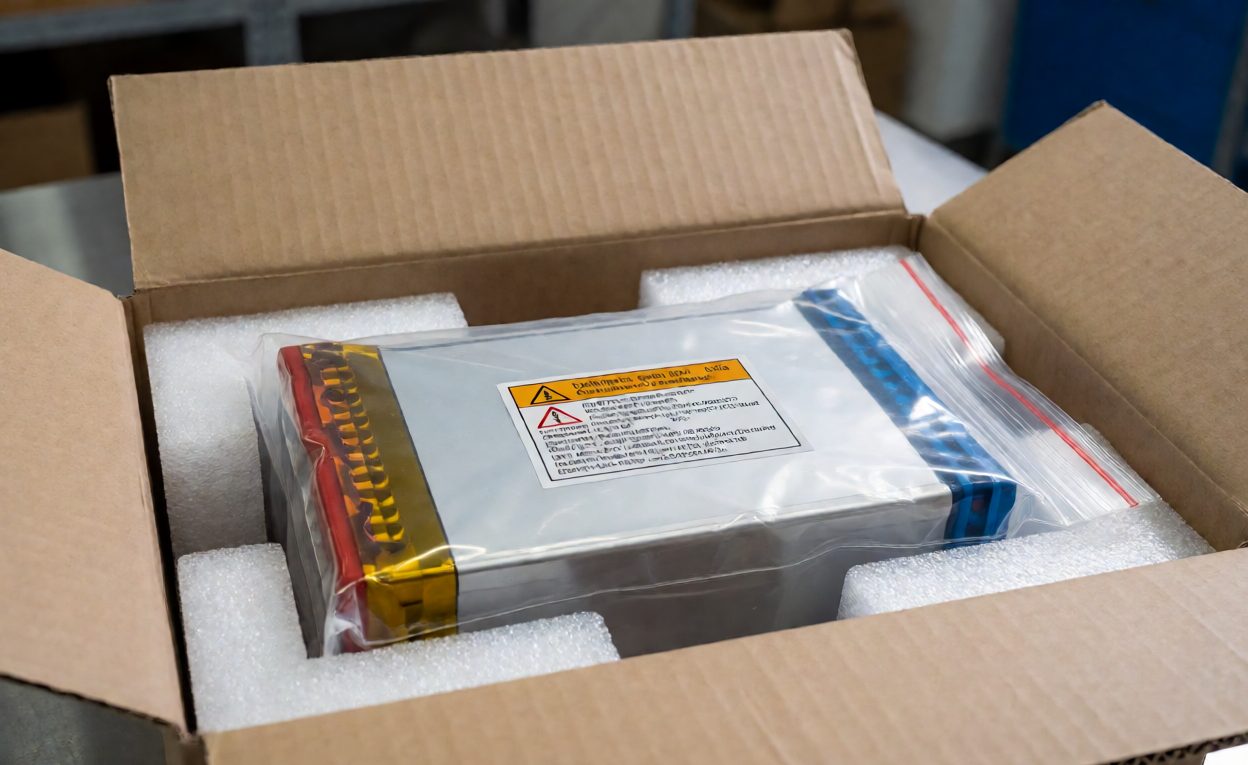
Which Products Fall Under Dangerous Goods
Lithium batteries dominate the category. The split that matters is between cells and batteries shipped on their own, which carry UN3480 for lithium ion and UN3090 for lithium metal, and batteries packed with or contained in equipment, which carry UN3481 and UN3091. A power bank shipped alone is UN3480. The same power bank inside a retail box with a cable is UN3481. That difference changes the packing instruction, the label and often the price.
Aerosols sit in class 2 as UN1950, flammable or non-flammable depending on the propellant and contents. Aerosol rules bite hardest on air freight, where quantity limits per package are strict and many carriers refuse consumer aerosols entirely. Other categories that surprise sellers include perfumes and alcohol-based sanitizers, magnetic items, and some cleaning chemicals, all of which have their own declarations.
- UN3480: lithium ion cells or batteries shipped alone, the most restricted case.
- UN3481: lithium ion batteries packed with equipment or contained in equipment.
- UN3090 and UN3091: the lithium metal equivalents, common in coin cells and some sensors.
- UN1950: aerosols, class 2, with quantity limits that vary sharply by mode.
What a 3PL Can and Cannot Store
A general warehouse is not automatically allowed to hold dangerous goods. Storage depends on the building’s insurance, fire classification and local rules, and many 3PLs simply decline lithium batteries rather than carry the risk. Those that accept them usually run a segregated area with fire-rated cabinets, spacing requirements, and a cap on the total quantity held at any moment.
Ask four questions before you send stock. Can you store UN3481 and UN3480, and up to what quantity? Do you have a fire-rated cabinet or a segregated zone, and is it inspected? Will you accept returns of battery products, and how are they quarantined? Who prepares the shipping declaration, you or me? The answers separate a warehouse that has done this before from one that will discover the problem on your shipment.
Choosing a 3PL that can actually handle your product category is a different exercise from choosing one on price per pick. A cheap pick fee is irrelevant if the building cannot legally hold your inventory.
The Documents a Warehouse or Forwarder Will Ask For
Four documents cover most cases. The UN38.3 test summary proves the cell or battery design passed the transport test sequence, and it comes from the cell manufacturer, not from you. The safety data sheet, sometimes called an SDS or MSDS, describes the product’s hazards. A battery declaration or shipper’s declaration states what is in the box and under which packing instruction it travels. For standalone lithium ion batteries, a state-of-charge declaration is increasingly required.
Keep these documents versioned and tied to the specific cell supplier. A test summary for a 2,000 mAh cell does not cover a 5,000 mAh cell from a different factory, and auditors know the difference. When a supplier changes cells to save cost without telling you, the paperwork silently becomes invalid, which is one of the more common causes of a shipment being stopped at an air terminal.
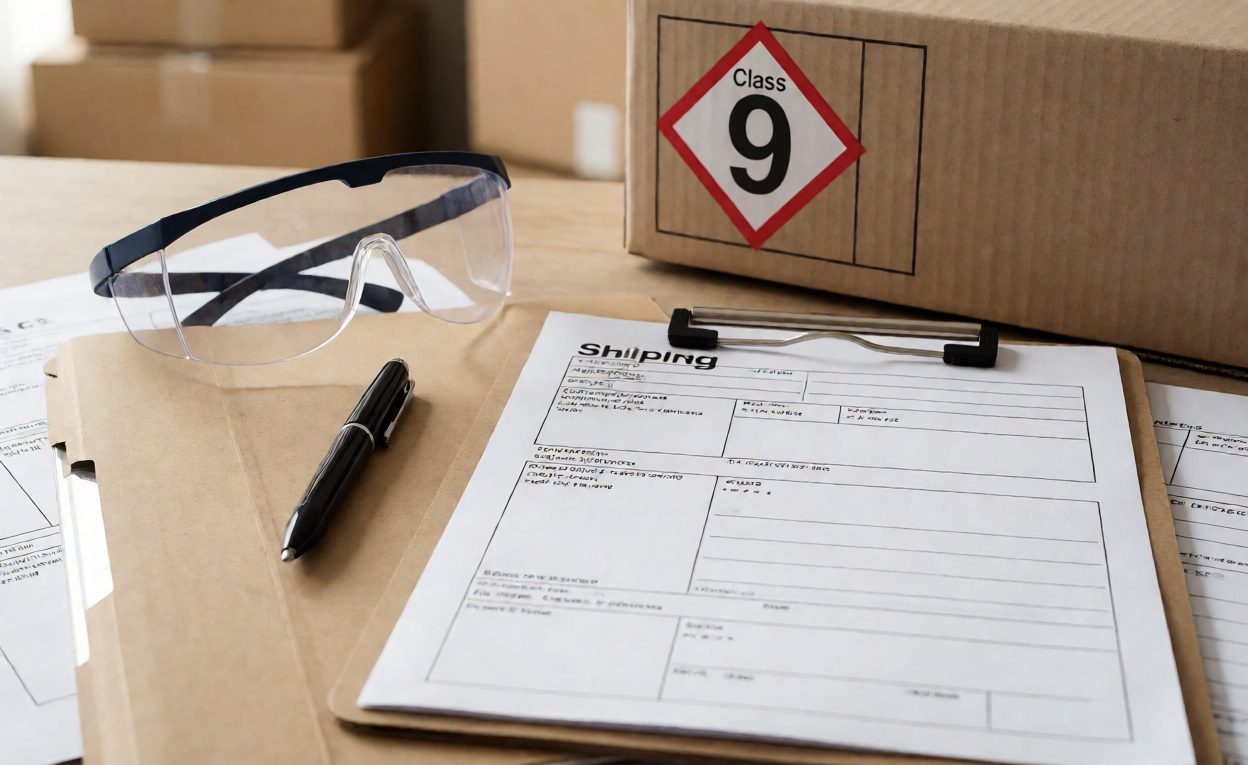
Packaging Rules That Cause Rejections
Most rejections are packaging failures, not classification failures. The recurring ones are predictable.
- No terminal protection: exposed terminals must be protected against short circuit with the original packaging, a non-conductive cap, or by packing each battery in a separate inner packaging.
- No drop protection: batteries need cushioning and must not be able to move inside the outer packaging.
- Wrong label: the lithium battery mark must be the current version, correctly sized, and placed so it is visible without opening the outer box.
- State of charge too high: standalone lithium ion batteries must ship at a reduced charge level, and a pack shipped at full charge fails the requirement regardless of paperwork.
- Mixed contents: a carton holding both batteries and general cargo is not a general cargo carton, and treating it as one is the fastest way to lose the whole pallet.
Damage in transit is the second-order cost here. A shorted cell does not just fail; it heats, and a heated cell inside a carton of paper packaging is a fire. This is why carriers treat undeclared batteries more harshly than declared ones: the declaration is what triggers the handling that makes the shipment safe. Returns handling needs its own rule for battery products, because a returned battery is a dangerous good travelling in the reverse direction.
Air, Sea and Ground Behave Differently
Air freight is the strictest and the most expensive for batteries. Quantity limits per package are low, many carriers restrict standalone batteries to cargo aircraft only, and the documentation burden is highest. The upside is speed, and for high-value electronics the speed often justifies the cost.
Sea freight is the workhorse for battery products at volume. The rules are looser on quantity but the transit time is measured in weeks, and port authorities in some destinations inspect dangerous goods closely. Ground and rail, where available, sit in between and are usually the cheapest per kilogram for domestic moves inside a large market.
One practical consequence: your fulfillment strategy has to match the mode. If a product contains a battery, you generally cannot split inventory freely between regions by air on short notice. Plan the buffer around sea transit, or accept air premiums as a permanent cost of the SKU. Running several sales channels from one warehouse gets harder again for battery SKUs, because marketplace rules on dangerous goods differ from your own store’s.
Technical Background
The regulatory frame is older than e-commerce and considerably less flexible. Dangerous goods classification assigns each hazardous article a UN number, a hazard class and a packing instruction, and the same article can fall under different instructions depending on whether it travels alone, with equipment or inside equipment. Lithium batteries carry their own sub-regime because of thermal runaway risk, and the UN38.3 test sequence exists to prove a design survives altitude, thermal, vibration, shock, short circuit and crush conditions before it is allowed to fly.
For air movement the operative document is the IATA Dangerous Goods Regulations, which restates the ICAO technical instructions in a form carriers and forwarders apply directly. Sea transport follows the IMDG Code, and road transport in Europe follows ADR. The three are broadly aligned on classification and differ on quantities and paperwork, which is why a shipment can be legal by sea and illegal by air on the same day.
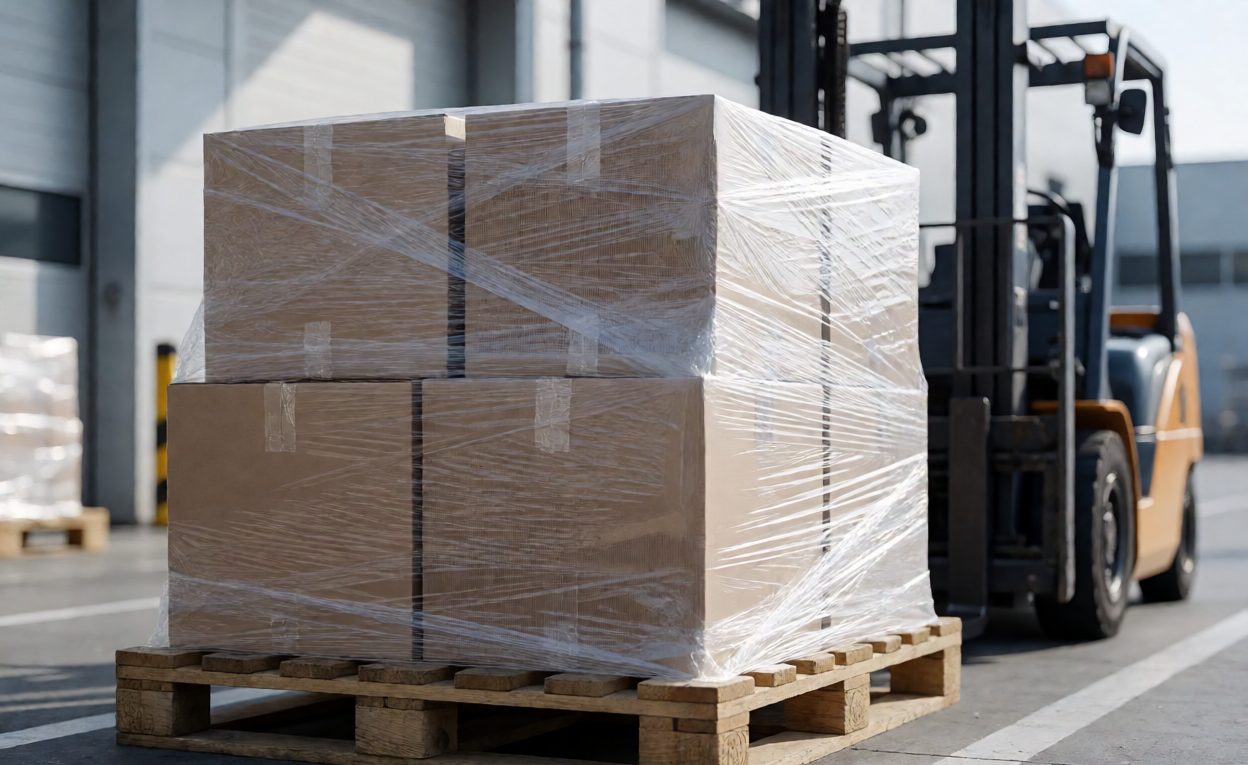
Operating Rules That Keep You Compliant
A short set of habits prevents most incidents. Lock the cell specification in writing with your supplier and require notice before any change. Keep UN38.3 summaries on file per cell model and refresh them when the supplier swaps. Write a packing instruction per SKU that names the inner packaging, cushioning and label position. Train the warehouse once and record it. And build a reverse-logistics rule for returns before the first return arrives.
- Freeze the bill of materials for battery components, including cell model and capacity.
- Hold UN38.3, SDS and the shipper’s declaration in one folder per SKU, versioned by date.
- Never let a supplier substitute a higher-capacity cell without new paperwork.
- Segregate battery cartons physically in the warehouse, not just in the system.
- Confirm the state of charge requirement with your forwarder for every standalone battery shipment.
Is a power bank UN3480 or UN3481?
If the power bank ships as a product on its own, it is treated as a lithium ion battery shipped alone under UN3480. If it is packed with or inside equipment, the UN3481 entry applies. The packing instruction and label differ.
Can a normal 3PL store lithium batteries?
Only if the building is set up for it and the insurer allows it. Many general warehouses decline. Ask about fire-rated cabinets, segregation, quantity caps and return handling before sending stock.
What is UN38.3 and who provides it?
It is the transport test sequence for lithium cells and batteries. The summary comes from the cell manufacturer, not from the assembler or the seller, and it must match the exact cell model being shipped.
Do aerosols ship by air?
Rarely for consumer quantities. Aerosols are class 2 dangerous goods with tight per-package limits by air, and many carriers refuse them outright. Sea or ground is the practical route.
Why must standalone batteries ship partly discharged?
A reduced state of charge lowers the energy available if a cell fails and limits thermal runaway severity. A pack shipped at full charge fails the requirement regardless of correct paperwork.
Can batteries and normal products share a carton?
No. A carton containing batteries is a dangerous goods package and must be packed, marked and documented as such. Treating it as general cargo risks the entire pallet.
How are battery returns handled?
As dangerous goods moving in reverse. They need quarantine on arrival, inspection for damage and swelling, and a documented disposal or refurbish path. Never return a swollen cell by standard post.