
Adding a second sales channel feels like a marketing decision and behaves like an integration project. The moment two storefronts draw on one inventory pool, every order has to be routed once and only once, every stock change has to propagate everywhere, and each channel’s packing and labelling rules have to be satisfied from the same shelf. Sellers who add channels without solving the routing problem discover it as a double shipment. This guide covers what has to connect.
Key Takeaways
- Multi-channel fulfilment is an integration problem before it is a logistics one.
- Every channel needs its own order feed; the routing rule decides which feed is authoritative.
- The classic failure is both channels connected at once, double-shipping the same order.
- Stock synchronisation lag is what causes oversells, not the channel count.
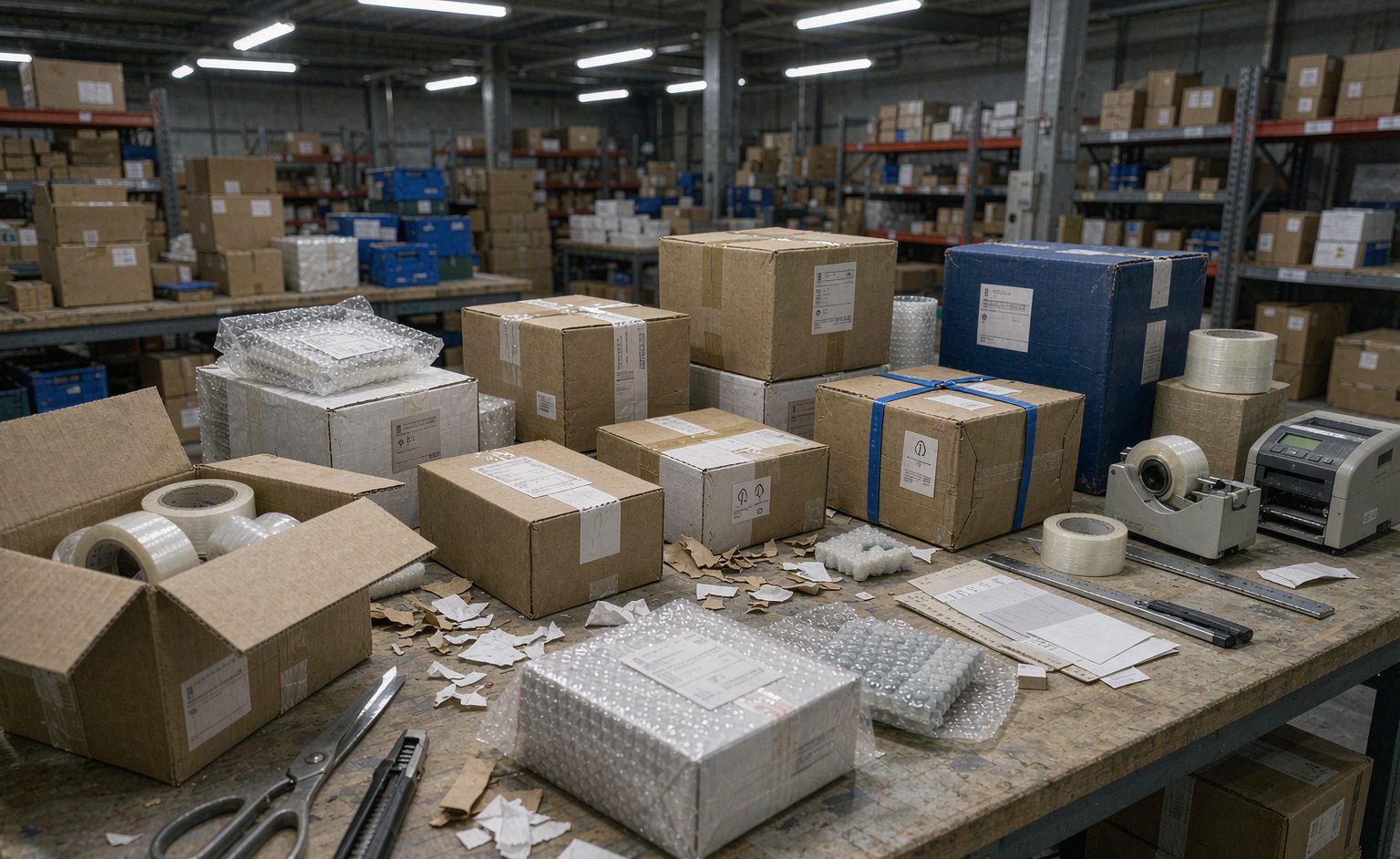
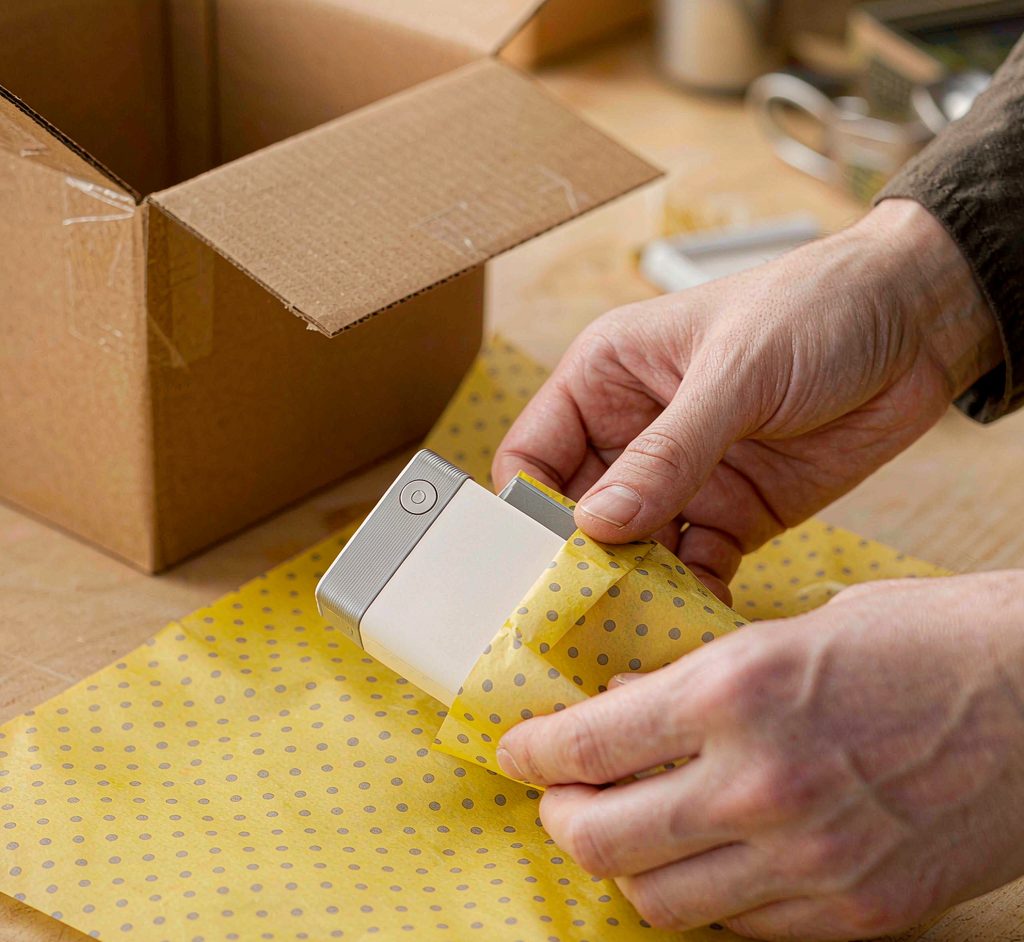
- Each channel has its own packing, labelling and documentation rules from the same shelf.
What Has to Connect
Three connections make multi-channel fulfilment work, and each has a failure mode.
| Connection | What it does | Failure if missing |
|---|---|---|
| Order routing | Sends each channel’s orders to the 3PL | Orders fulfilled manually, or not at all |
| Inventory sync | Pushes stock levels back to every channel | Oversells and cancellations |
| Tracking return | Sends shipment confirmations back to each channel | Customer service load and platform penalties |
The middle connection is the one that decides whether multi-channel works. Inventory sync is not instantaneous, and the lag between a sale on one channel and the stock update reaching another is exactly the window in which an oversell happens. The operating flow is described in our order fulfilment flow guide.
The Double-Ship Failure Mode
This is the most expensive integration error and it is entirely preventable.
| Cause | What happens | Prevention |
|---|---|---|
| Both channels connected at once | The same order reaches the 3PL twice | Connect one channel, verify with a test order, then the next |
| Manual and automated fulfilment overlapping | An order is shipped by hand and by feed | Disable manual fulfilment on integrated channels |
| Duplicate SKU mapping | Two SKUs map to the same physical item | One SKU mapping per physical item, per channel |
The prevention rule is simple and often skipped: connect one channel at a time, place a test order, confirm it routes and returns tracking correctly, and only then connect the next. A test order costs a few dollars; a double shipment costs the product, the freight and the customer.
Stock Synchronisation Across Channels
Oversells are a synchronisation problem, and they are managed rather than eliminated.
| Technique | What it does | Trade-off |
|---|---|---|
| Real-time sync | Pushes stock on every sale | Narrows the window; does not close it |
| Safety stock buffer | Holds back a reserve from channel listings | Fewer oversells; slightly lower apparent availability |
| Channel-level allocation | Assigns stock per channel | No oversell across channels; risks idle stock |
| Single listing, multi-channel push | One master listing pushed to all channels | Simplest to keep consistent; least channel-specific |
A safety buffer is the pragmatic default for most sellers: it converts an occasional oversell into a permanently slightly-lower displayed availability. The inventory framework behind these choices is explained in inventory management references.
Channel-Specific Rules from One Shelf
Each channel imposes its own fulfilment requirements, and a single 3PL has to satisfy all of them from the same stock.
| Channel | Typical requirement area | What to confirm with the 3PL |
|---|---|---|
| Shopify | Tracking sync, fulfilment status | That confirmations post back automatically |
| eBay | Handling time, tracking upload | That tracking uploads within the handling window |
| TikTok Shop | Packaging and labelling rules, SLA windows | Whether their packing rules can be met per order |
Ask the 3PL explicitly whether they can meet each channel’s rules from the same pick face, and what it costs if a channel requires different packing. The answer often adds a per-order task, which lands in the pick-and-pack line of the quote covered in our 3PL pricing breakdown.
Frequently Asked Questions
What is multichannel fulfilment?
Fulfilling orders from several sales channels out of one inventory pool, with order routing, stock synchronisation and tracking confirmations connecting each channel to the warehouse.
Can one 3PL handle Shopify, eBay and TikTok Shop?
Yes, provided each channel can be integrated and the 3PL can meet each channel’s packing, labelling and SLA rules from the same shelf. Confirm the per-channel requirements before connecting.
How do I avoid double-shipping orders?
Connect one channel at a time and verify with a test order before connecting the next. Disable manual fulfilment on integrated channels so an order cannot be shipped twice.
Why do I get oversells with multiple channels?
Inventory synchronisation lag. The window between a sale on one channel and the stock update reaching the others is where oversells happen; a safety buffer narrows the exposure.
Should I allocate stock per channel?
It eliminates cross-channel oversells but risks idle stock on a slow channel. Most sellers prefer a shared pool with a safety buffer instead.
What should I confirm with a 3PL before adding a channel?
That they can integrate that channel, meet its packing and labelling rules from the same pick face, and post tracking back automatically — and what any channel-specific packing costs per order.
Is multi-channel harder with multiple warehouses?
Yes, because routing also has to decide which location ships. The model for running several locations against one storefront is covered in our multi-warehouse guide.
Technical background: multichannel retailing, inventory management and application programming interfaces explain the retail model, the stock framework and the integration layer referenced above.