

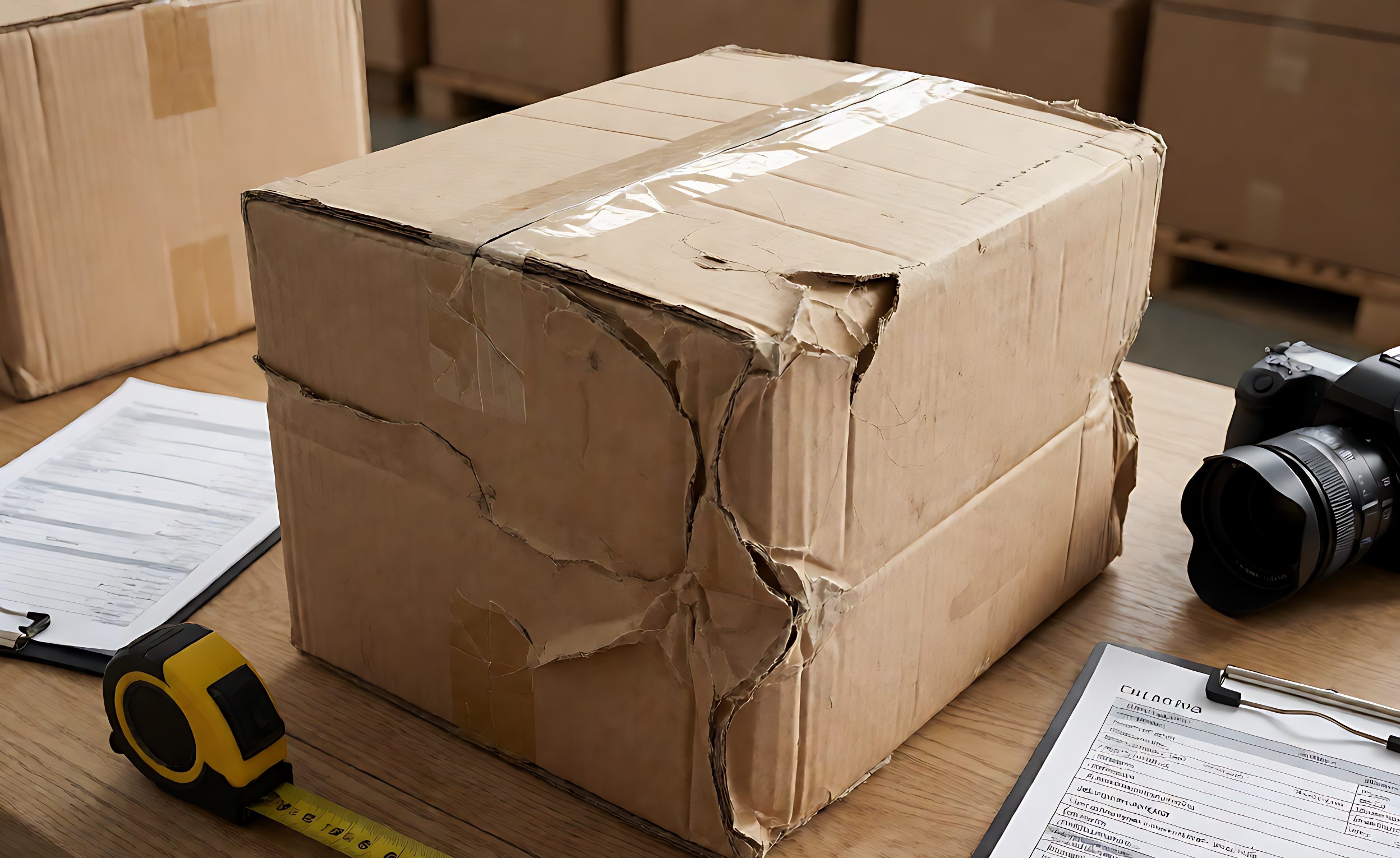
A container arrives, a pallet has shifted, and several cartons are crushed. The instinct is to claim against the carrier, and the surprise is how little carrier liability actually covers. International carriage conventions limit liability by weight, not by value, so a shipment of consumer electronics can be badly damaged and still attract a settlement that covers a fraction of the loss. Cargo insurance exists to close that gap, and understanding what it does and does not cover is a wholesale buyer’s problem, not a broker’s.
Two separate regimes apply to every shipment: the carrier’s limited liability, which is automatic and low, and cargo insurance, which is contractual and priced. Under a term where the seller does not arrange insurance, arranging it is the buyer’s responsibility – and the cover should begin at the point risk transfers, which is often earlier than buyers assume.

What Cargo Cover Typically Includes
A standard all-risk cargo policy covers physical loss or damage to the goods during transit from an external cause, subject to exclusions and deductibles. It normally attaches from warehouse to warehouse rather than port to port, which matters because damage on the inland legs is common.
What it pays is usually invoice value plus a percentage for anticipated profit, plus freight and insurance where the policy says so – which is why the declaration of value on the policy has to match the commercial invoice. Under-declaring to save premium simply caps the recovery at the declared figure.
Warehouse-to-warehouse cover also clarifies an ambiguity that causes disputes: where the goods were when the damage occurred. If cover runs from the supplier’s packing bench to the buyer’s receiving dock, the location question becomes an evidence question rather than a coverage question.

The Exclusions That Actually Bite
Policies exclude more than buyers expect, and the exclusions are the reason claims fail:
- Insufficient or unsuitable packing. The single most common refusal. If goods were not packed for the journey, the loss is attributed to packing rather than to an insured peril.
- Inherent vice. Goods that spoil, corrode or deform through their own nature are not covered by a peril-based policy.
- Delay alone. Late arrival without physical damage is generally excluded, even when the delay destroys the commercial value of a seasonal order.
- Ordinary leakage, loss in weight or wear. Small unexplained shortages are usually within the deductible or excluded outright.
- War, strikes and nuclear perils, which need specific extensions.
The packing exclusion deserves emphasis for bulk importers, because it transfers the outcome back to a decision made at the factory. A carton specification and pallet pattern that survives the actual journey is both a damage-reduction measure and the evidence that packing was suitable.
Filing a Claim That Pays
Claims fail on procedure as often as on coverage. The sequence that works:
- Note damage on delivery documents before signing, with a description rather than a tick.
- Photograph before moving anything: packaging in place, the damage, the pallet condition, and the container or vehicle where relevant.
- Segregate and preserve the affected units so a surveyor can inspect them.
- Notify promptly and in writing to the carrier and the insurer, respecting the notification deadlines in the contract of carriage, which can be very short.
- Assemble the document set: commercial invoice, packing list, bill of lading or air waybill, delivery receipt with the damage note, photographs, and a quantified claim.

Contexto Técnico
Cargo cover is a branch of marine insurance, which despite the name covers land and air legs of an international journey. The general principles of insurance apply: insurable interest, utmost good faith in declaring the risk, and indemnity rather than profit. Historically, losses shared across ship and cargo interests were handled under general average, a doctrine that still affects how certain maritime losses are apportioned.
Deciding Cover Level and Deductible
Choose the deductible against your actual loss pattern rather than against premium alone. A high deductible makes sense where shipments are robust and losses are rare; it is false economy where a recurring handling problem produces small claims every month, because those claims will simply be absorbed.
For recurring lanes, an annual policy beats per-shipment cover on both cost and administration. Per-shipment cover remains sensible for one-off high-value consignments and for lanes where the buyer ships rarely.
Insurance sits downstream of packaging decisions discussed in custos de embalagem personalizada e verificações de qualidade and upstream of the recovery process in returns and RMA workflows. Inspection before dispatch is covered in inspeção pré-envio, and the contractual allocation of risk is explained in Incoterms em ordens de compra por atacado.
Perguntas Frequentes
O transportador é automaticamente responsável por mercadorias danificadas?
Liability exists but is limited, usually by weight under the applicable carriage convention, so the settlement is often far below the cargo value.
O que significa a cobertura de armazém para armazém?
Cover runs from the supplier’s premises to the buyer’s destination rather than only during the sea or air leg, which matters because inland damage is common.
Why was my claim refused for poor packing?
Most policies exclude loss caused by insufficient or unsuitable packing, so damage attributed to packaging rather than to a transit peril is not covered.
Does insurance cover late delivery?
Generally no. Delay without physical damage is a standard exclusion, even where the delay destroys seasonal value.
How quickly must damage be reported?
Notification deadlines in carriage contracts can be very short, sometimes days. Report in writing to carrier and insurer immediately, and note damage on the delivery receipt.
What value should I declare?
The commercial invoice value, plus freight and any anticipated profit the policy allows. Under-declaring caps recovery at the declared amount.
Is an annual policy better than per-shipment cover?
For recurring lanes yes, on both cost and administration. Per-shipment cover suits occasional or unusual high-value consignments.