

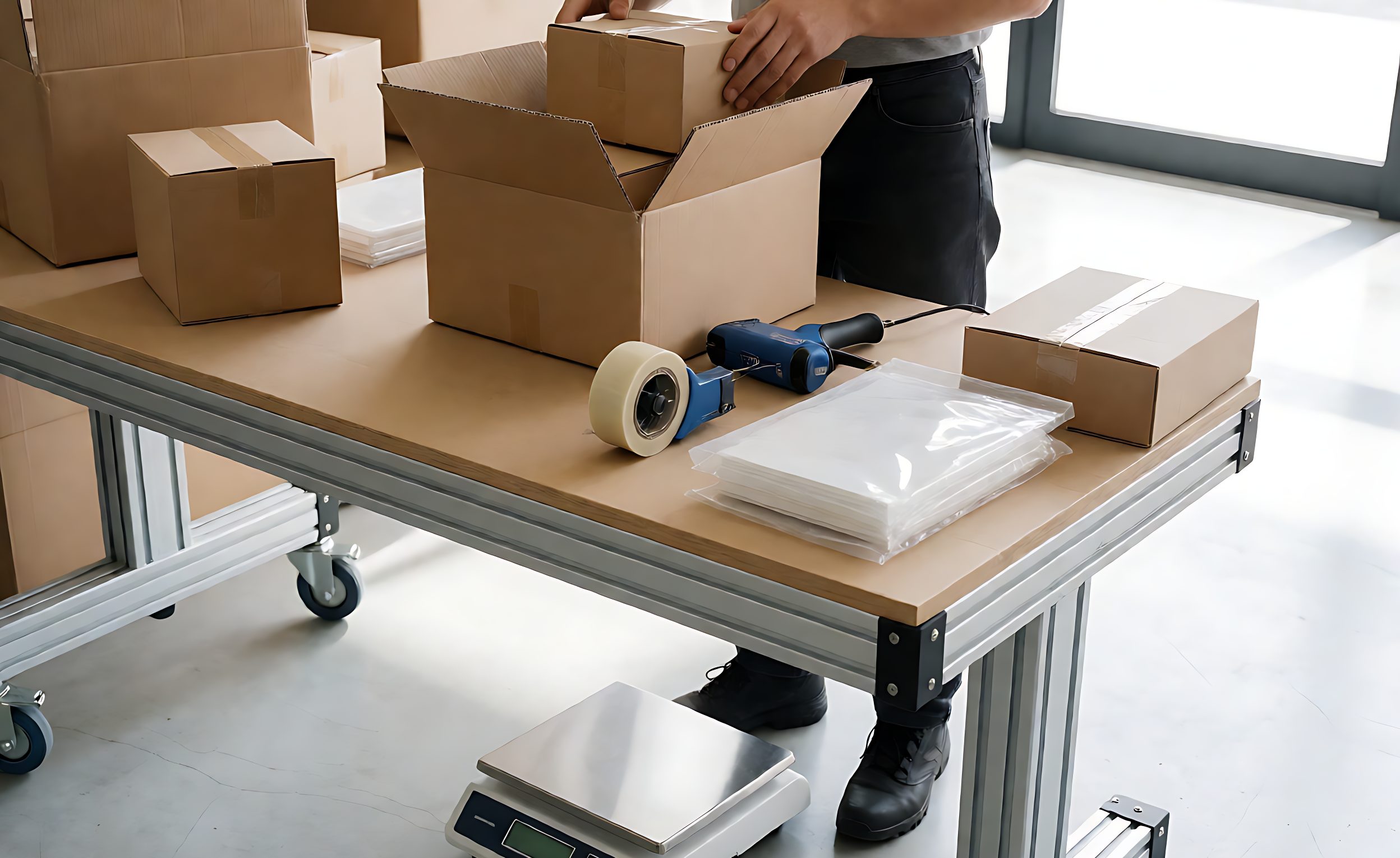
The economics of small parcels punish fragmentation. A supplier shipping forty separate two-kilogram parcels by international post pays forty first-kilogram rates, forty handling fees and forty separate customs clearance events. The same eighty kilograms moved as a handful of consolidated cartons costs materially less, arrives with one tracking record per carton, and clears as a few entries instead of forty. For wholesale buyers consolidating across suppliers, that gap is often the single largest controllable line in landed cost.
Consolidation services exist to capture it. They sit between your suppliers and your destination market, receive individual shipments, hold them briefly, and merge them into fewer, better-packed outbound units. This article explains how that works in practice, what it genuinely saves, and the situations where consolidation is the wrong answer.
What Consolidation Actually Does
Consolidation is usually described as combining shipments, but four distinct operations get bundled under the word, and each saves money for a different reason:
- Merge and repack. Several supplier cartons are opened, verified and rebuilt into fewer, denser outbound cartons. The saving comes from eliminating air: dimensional weight pricing bills by volume, and five half-empty boxes are charged for space nobody is using.
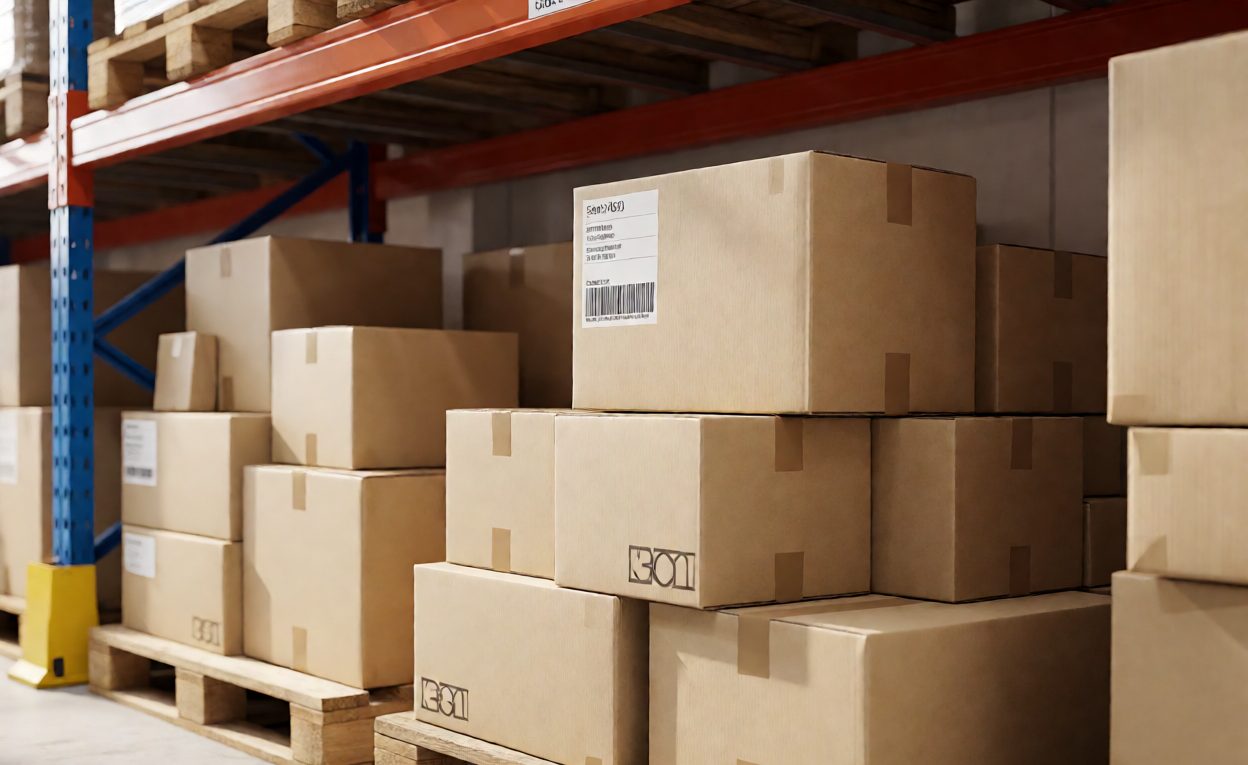
- Hold and release. Shipments from different suppliers arrive days apart and are held through a consolidation window, commonly three to seven days, then released together. The saving is the difference between per-parcel postage and a single line-haul rate.
- Line-haul with local breakout. One international movement to the destination country, then injection into domestic carriers. Here the saving comes from replacing international postage on the final leg with domestic parcel rates, which are dramatically cheaper in most markets.

The Cost Math Buyers Get Wrong
A consolidation quote carries more line items than a postage quote, and buyers who compare only the headline rate end up disappointed. Budget for all of them:
- Recebimento de entrada, charged per parcel or per carton received.
- Armazenamento during the hold window, usually free for the first few days and charged by volume after that.
- Repacking labour and materials, per hour or per outbound carton.
- Outbound freight, by chargeable weight – the greater of actual and volumetric.
- Clearance per outbound entry, which is why fewer entries matters.
A realistic outcome for mid-sized wholesale parcels is roughly fifteen to thirty-five percent off the freight line, plus far fewer clearance events and tracking numbers. The saving is real but rarely dramatic; the operational simplification is usually worth more. Run the numbers on your own profile using the framework in landed cost calculation for wholesale imports, and weigh the mode choice in air freight versus sea freight as part of the same comparison.
What Consolidation Does to Duties, Insurance and Risk
Three effects catch buyers out. First, duty: fewer entries usually means fewer clearance fees, but each entry declares a higher value. Total duty is broadly unchanged, yet de minimis treatment can flip, because many markets apply duty-free thresholds per shipment. A flow of individually duty-free parcels can become a dutiable consolidated entry purely because the value crossed a line. Always model both.
Second, insurance: one claim replaces many small ones, which is cheaper to administer but concentrates exposure, since a lost carton holds every order inside it. Freight insurance claims on bulk orders explains how consolidated claims are assessed.
Third, transit: the hold window is added time. Cap it at an agreed number of days, and never build a batch where every unit is promised to the same urgent customer.
When Consolidation Is the Wrong Answer
Consolidation is a default, not a rule. Ship direct in these cases:
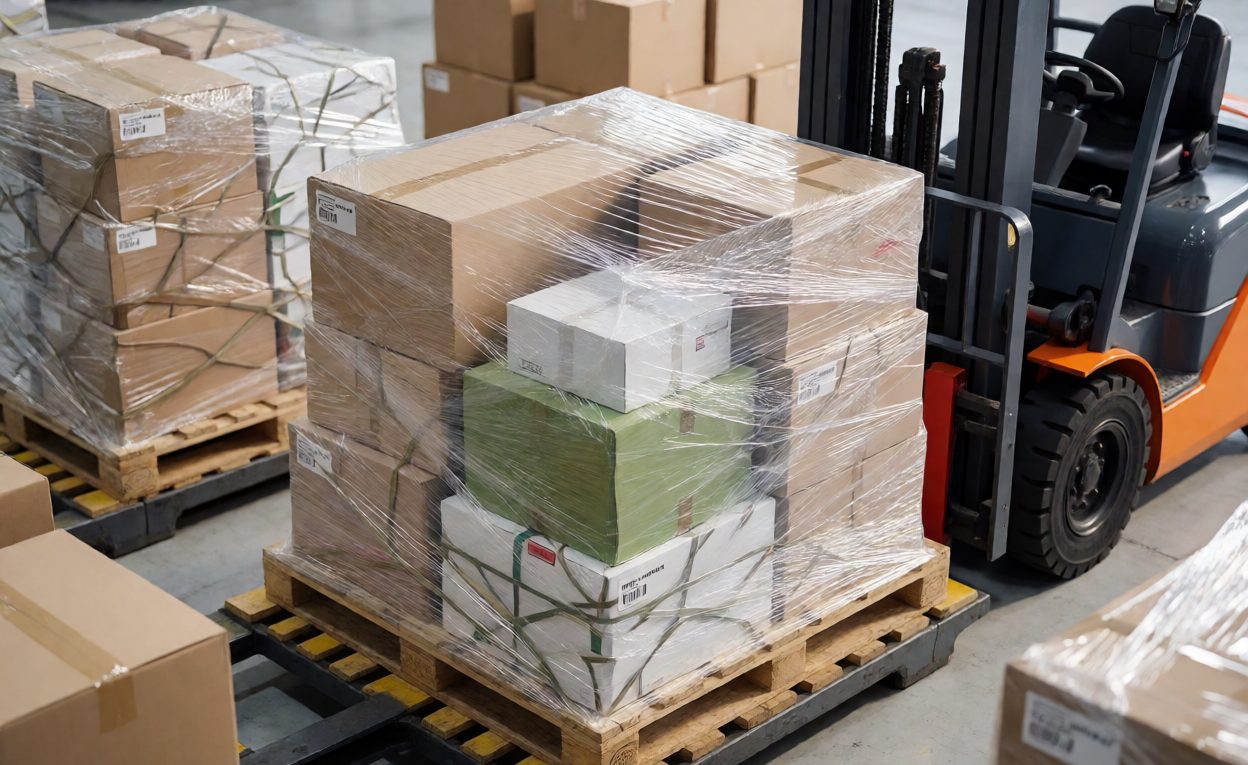
- Single-supplier bulk orders. If one factory already fills a carton or a pallet, there is nothing to merge; the goods should move as they are.
- Genuinely urgent orders. A hold window is added transit. For express orders, direct shipping wins even at a higher per-kilogram rate.
- Markets with generous de minimis thresholds. Where duty exposure changes at the threshold, splitting can beat consolidating – model it rather than assuming.
- Fragile or regulated goods. Batteries, aerosols and liquids usually cannot be repacked by a general hub at all.
Running Consolidation as a Routine
Consolidation pays as a policy and disappoints as a rescue: fix a release cadence, twice weekly being common, and a minimum batch size below which orders ship direct. Add a packing standard suppliers must meet before goods reach the hub – that is where carton right-sizing earns its keep, since consolidation cannot recover space already billed on the inbound leg.
Buyers serving several regions should also compare consolidation against zone skipping on bulk shipments, which solves a similar problem by moving goods closer to demand before they are split into parcels. Whether consolidated stock should be held at all is a fulfilment-structure question, answered by the hybrid bulk inventory model e US warehouse versus shipping from China.
Contexto Técnico
The economics follow from freight forwarding, where an intermediary assembles small consignments into larger movements to access lower unit rates. Combining modes under one shipment is the same idea as intermodal freight transport, and the allocation of cost and risk at each handover is governed by Incoterms.
Perguntas Frequentes
What is cross-border parcel consolidation?
Receiving separate supplier shipments at a hub, holding them briefly, and merging them into fewer outbound units so that one line-haul movement and one customs entry replace many small ones.
How much does consolidation usually save?
Typically fifteen to thirty-five percent of the freight line for mid-sized parcels, plus fewer clearance events and fewer tracking numbers. Model your own profile; percentage claims vary widely.
Does consolidating increase the duty I pay?
Total duty is broadly unchanged, but de minimis thresholds apply per shipment, so consolidating can turn duty-free parcels into a dutiable entry. Check the threshold before merging.
How long do goods sit in a consolidation hub?
Commonly three to seven days under a hold-and-release model. Cap the window in the service agreement so a delay cannot quietly extend it.
Can consolidation hubs handle batteries or aerosols?
Most general hubs cannot. Regulated goods need certified handling and often cannot be repacked at all, so they usually ship direct under their own documentation.
Is origin or destination consolidation better?
Origin is cheaper per kilogram and more flexible on repacking; destination is faster onward and easier to claim against. Bonded hubs suit goods being split across several markets.
What happens if one consolidated carton is lost?
Every order inside it is affected, which is the main trade-off against cheaper freight. Insurance and a cap on batch value per carton are the two standard mitigations.