

How Dropshipping Works: The Technical Architecture Behind Zero-Inventory Commerce
In the evolving landscape of e-commerce, dropshipping has emerged as a capital-efficient distribution model that decouples inventory management from sales operations. This technical deep dive examines the multi-layered processes that enable merchants to maintain zero inventory while delivering products globally within 6-12 business days. By analyzing real-world implementations and operational frameworks, we uncover the systemic advantages and hidden complexities shaping modern dropshipping architectures. For a deeper understanding of the financial and data flows that power this model, read How Dropshipping Works: The Invisible Flow of Money and Data.
The Core Transaction Flow
At its fundamental level, dropshipping operates through synchronized transactional pathways between three key entities: the merchant, supplier, and logistics network. This process requires precise orchestration across digital and physical domains. Here’s the step-by-step breakdown expanded with technical and operational considerations:
- Customer Order Initiation: A buyer places an order on the merchant’s Shopify, WooCommerce, Amazon, or Etsy store. The platform’s checkout system captures payment details and triggers an API call to the fulfillment partner. Technical Note: E-commerce platforms like Shopify offer webhook integrations that automatically notify 3PL systems upon order creation, eliminating manual data entry.
- Order Validation: Merchant’s platform checks product availability against supplier’s inventory API. This synchronization occurs via RESTful APIs that poll supplier databases every 15-30 minutes. Case Study: A home goods merchant using Dropioneer’s API integration reduced stockout-related order cancellations by 42% through real-time inventory visibility.
- Automated Order Relay: Confirmed orders are transmitted to the fulfillment partner’s WMS (Warehouse Management System) using standardized EDI (Electronic Data Interchange) protocols. Technical Insight: Dropioneer’s WMS supports XML and JSON data formats, enabling seamless integration with platforms like Magento and BigCommerce.
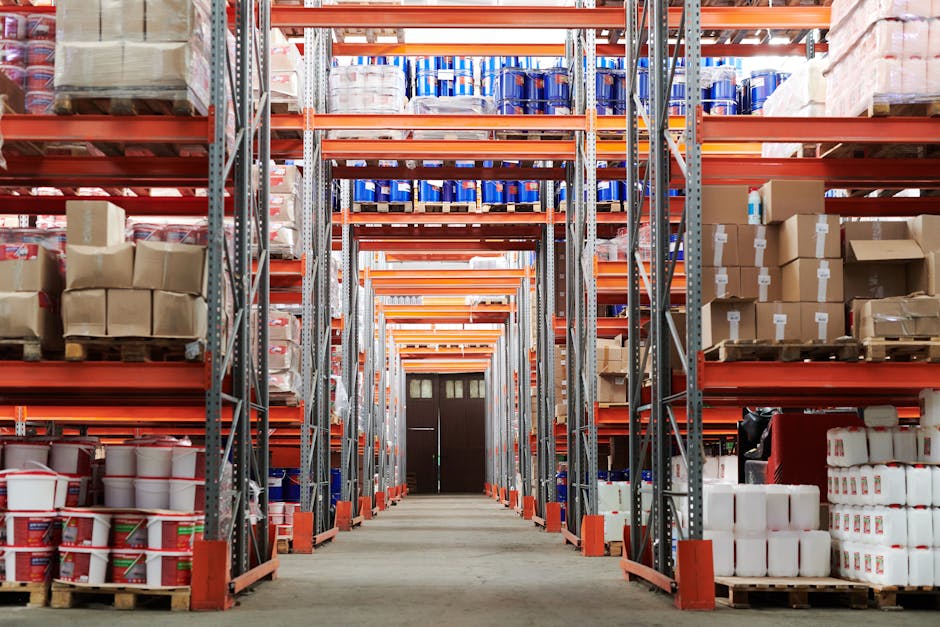
- Inventory Allocation: Warehouse staff pulls SKUs from designated slots in facilities like Dropioneer’s 3,000m² Shenzhen hub. The warehouse utilizes RFID tracking systems that reduce picking errors to 0.03%. Operational Detail: High-velocity SKUs are stored in “golden zones” near packing stations to optimize throughput.
- Quality Assurance: Products undergo multi-stage QC checks before packaging. At Dropioneer’s facility, this includes:
- Pre-packing inspection for cosmetic defects
- Functional testing for electronic items
- Weight verification against standard tolerances
- Documentation matching (e.g., CE/FCC certifications)
- Logistics Execution: Packages receive carrier labels via integrated shipping platforms, initiating the 6-12 business day delivery timeline. Dropioneer’s system automatically selects optimal carriers based on destination, package dimensions, and service level agreements (SLAs).
Traditional vs 3PL Dropshipping Comparison
| Operational Parameter | Traditional Dropshipping | 3PL Integrated Model |
|---|---|---|
| Inventory Sync Accuracy | 78-85% (manual updates) | 99.5%+ (real-time API) |
| Order Processing Time | 4-12 hours | ≤1 hour |
| Global Delivery SLA | 15-25 business days | 6-12 business days |
| Quality Control Standards | Supplier-dependent | ISO-certified processes |
| Custom Packaging Options | Limited | Full customization available |
Traditional Challenges in Dropshipping Execution
While the conceptual model appears straightforward, operational realities often create friction points that impact scalability. Common issues include:
- Inventory Synchronization Gaps: 34% of merchants report stock discrepancies due to delayed API updates between platforms and suppliers. Technical Risk: API rate limiting can cause 2-4 hour synchronization delays during peak sales periods, leading to overselling incidents.
- Quality Control Deficiencies: 22% of returns stem from inconsistent product standards when working with multiple suppliers. Case Study: A fashion brand faced a 35% return rate after expanding to 15 suppliers without centralized QC, requiring complete process overhaul.
- Shipping Coordination Complexities: Managing 5-15 different carriers across global regions creates operational overhead. Comparative Analysis: Merchants handling logistics in-house spend 22 hours/week on carrier communications versus 3 hours/week when using 3PL solutions.
- Brand Consistency Issues: 63% of consumers associate packaging quality with brand reliability, yet most dropshippers lack customization capabilities. Business Impact: Branded packaging can increase customer retention by 18% but requires minimum order quantities (MOQs) that challenge small merchants.
These challenges become exponentially more complex as order volume increases, often creating bottlenecks that prevent scaling beyond 100-200 daily orders. For instance, manual order processing systems typically break down at 250 orders/day due to human error rates exceeding 5%.
3PL Integration: Modernizing Dropshipping Infrastructure
Third-party logistics (3PL) providers like Dropioneer address these limitations by creating vertically integrated supply chain solutions. Key advantages include:
- Centralized Inventory Management: Real-time WMS integration with multiple sales channels eliminates stockout risks. Dropioneer’s system aggregates inventory data from 300+ suppliers, providing consolidated visibility through a merchant dashboard.
- Standardized Quality Control: Multi-stage QC checkpoints ensure consistent product standards across suppliers. For example, all electronics undergo voltage testing to match regional electrical standards (e.g., 110V vs 220V).
- Global Logistics Networks: Pre-negotiated carrier rates with 20+ logistics partners enable 6-12 business day delivery timelines worldwide. Dropioneer’s network utilizes regional hubs in Germany and California to reduce EU/US delivery times by 30%.
- Branded Packaging Solutions: Customizable packaging options maintain brand identity throughout the customer journey. Merchants can choose from 12 standard packaging templates or commission custom designs with MOQs as low as 100 units.
Scaling Strategically: From 100 to 1,000+ Orders Daily
Scaling beyond basic dropshipping operations demands architectural thinking. Successful merchants implement:
- Automated Order Routing: Intelligent systems that direct orders to optimal warehouses based on inventory levels and shipping zones. For example, EU orders might route to Dropioneer’s German hub to reduce customs delays.
- Distributed Inventory Models: Strategic stock placement across multiple fulfillment centers to reduce delivery times. A merchant selling fitness equipment might keep 30% inventory in California, 30% in Germany, and 40% in Shenzhen.
- Dynamic Pricing Algorithms: Real-time cost adjustments based on carrier rates, order volume, and regional demand patterns. During peak seasons, shipping costs might increase by 15-20%, which the algorithm automatically factors into pricing.
- Supplier Performance Analytics: Dashboards tracking supplier reliability metrics like on-time delivery rates and defect percentages. Dropioneer’s system automatically flags suppliers with defect rates exceeding 2% for quality review.
Supplier Selection: The Foundation of Operational Stability
The quality of dropshipping operations begins with supplier vetting. Professional merchants employ:
- Forensic Supplier Audits: Comprehensive evaluations covering production capacity, quality control processes, and financial stability. For a detailed framework on conducting these audits, consult How to Find Dropshipping Suppliers: The ‘Forensic Audit’ Guide.
- Sample Testing Protocols: Multi-batch product testing across different production cycles. For example, a kitchenware merchant might test 50 units from three separate production runs to identify consistency issues.
- Contractual SLAs: Service Level Agreements specifying delivery timelines, defect rates, and communication protocols. Standard Dropioneer SLAs guarantee 98% on-time delivery and 1% maximum defect rates.
- Alternative Sourcing Options: Maintaining backup suppliers for critical SKUs to mitigate disruption risks. Best practices suggest having at least two pre-qualified suppliers per core product category.
Future-Proofing Dropshipping Operations
As the industry evolves, forward-thinking merchants are adopting next-generation practices:
- AI-Powered Demand Forecasting: Predictive analytics that anticipate inventory needs based on market trends and historical data. Dropioneer’s system uses machine learning models trained on 5 years of order data to predict seasonal demand with 89% accuracy.
- Blockchain Authentication: Product verification systems that combat counterfeiting and build consumer trust. Luxury goods merchants use QR codes linked to blockchain records to prove product authenticity.
- Custom Product Variants: Working with suppliers to create exclusive SKUs that differentiate offerings. A furniture merchant might collaborate with a supplier to develop a unique chair design available only through their store.
- Sustainability Integration: Carbon-neutral shipping options and eco-friendly packaging solutions. Dropioneer’s “Green Logistics” program offers carbon offsetting at $0.25 per package, appealing to environmentally conscious consumers.