


Fulfilment model choice is usually framed as a binary: hold stock or drop-ship. In practice most wholesale operations run a hybrid, and the interesting question is not which model to choose but which orders belong in which. The cost structures differ enough that the split matters more than the preference, and the split changes as a catalogue grows.
The useful frame is cost per order and control per order. Drop-ship wins on fixed cost – no warehouse, no inventory risk – and loses on per-unit economics and control over packaging and timing. Cross-dock wins on per-unit economics and control, and loses on fixed cost and inventory risk. Neither is universally better, which is why the decision belongs at order level rather than company level.
What Each Model Actually Costs
Drop-ship cost is mostly per-order handling and freight, with almost no fixed cost. That makes it cheap to start with and expensive at volume, because every unit pays the handling fee. Cross-dock cost is mostly fixed – space, equipment, labour roster – with low per-unit handling, which makes it expensive to start with and cheaper at volume.
- Drop-ship – per-order pick and pack fee, single-unit freight, no storage cost, no capital tied up; cost per unit stays flat or rises with order complexity.
- Cross-dock – inbound receiving, storage, outbound consolidation; freight consolidates into pallets, so cost per unit falls with volume.
- The crossover – once a SKU’s weekly volume is stable and predictable, holding it usually beats drop-shipping it.
Эти third-party logistics (логистика третьей стороны) variant of each model changes the fixed cost but not the crossover logic, so the comparison is the same whether the facility is owned or rented.
Where Each Model Belongs
The catalogue split follows from volume and predictability. High-volume, predictable SKUs belong in stock and ship by pallet through a cross-dock. Long-tail SKUs, seasonal items and anything with volatile demand belong on drop-ship, because holding them converts a margin into a storage bill. New SKUs usually start on drop-ship and migrate to stock once demand is proven.
The migration decision deserves a rule rather than a debate. A common one: a SKU moves to stock once its weekly demand has been stable for a defined period and its holding cost is below the drop-ship fee differential. Without a rule, the catalogue drifts towards whatever the last discussion concluded.
Control, Timing and Packaging
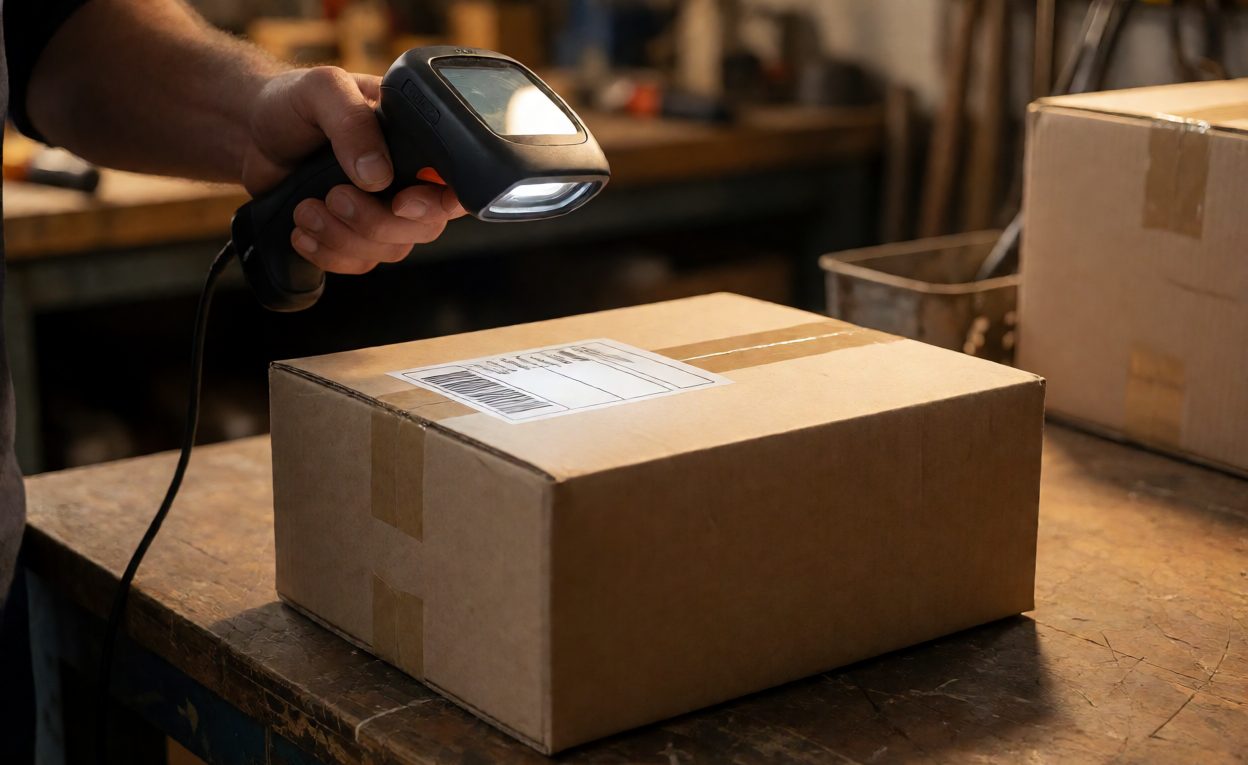
Control is the part most cost comparisons miss. Drop-ship means the supplier packs, which means packaging quality, insert accuracy and dispatch timing are theirs. Cross-dock means all three are yours, which matters when packaging carries brand meaning or when orders must meet a cut-off. The cross-docking model also compresses the time an order spends in the building, which reduces damage and handling steps.
For brands, this is usually the deciding factor rather than cost. A supplier packing a customer’s order with the wrong insert is a brand problem, not a logistics one, and it is very hard to fix through a drop-ship agreement.
Running the Hybrid
The operational requirement is a routing rule that assigns each order to a model without human judgement. Volume thresholds, destination, service level and current stock position are the usual inputs. The rule should be written down, reviewed quarterly, and applied automatically, because manual routing is where hybrid models quietly become expensive.
Reporting should separate the two flows so each is measured against its own economics. Blended metrics hide the fact that one model is subsidising the other, which is how a profitable cross-dock operation ends up carrying an unprofitable drop-ship tail.
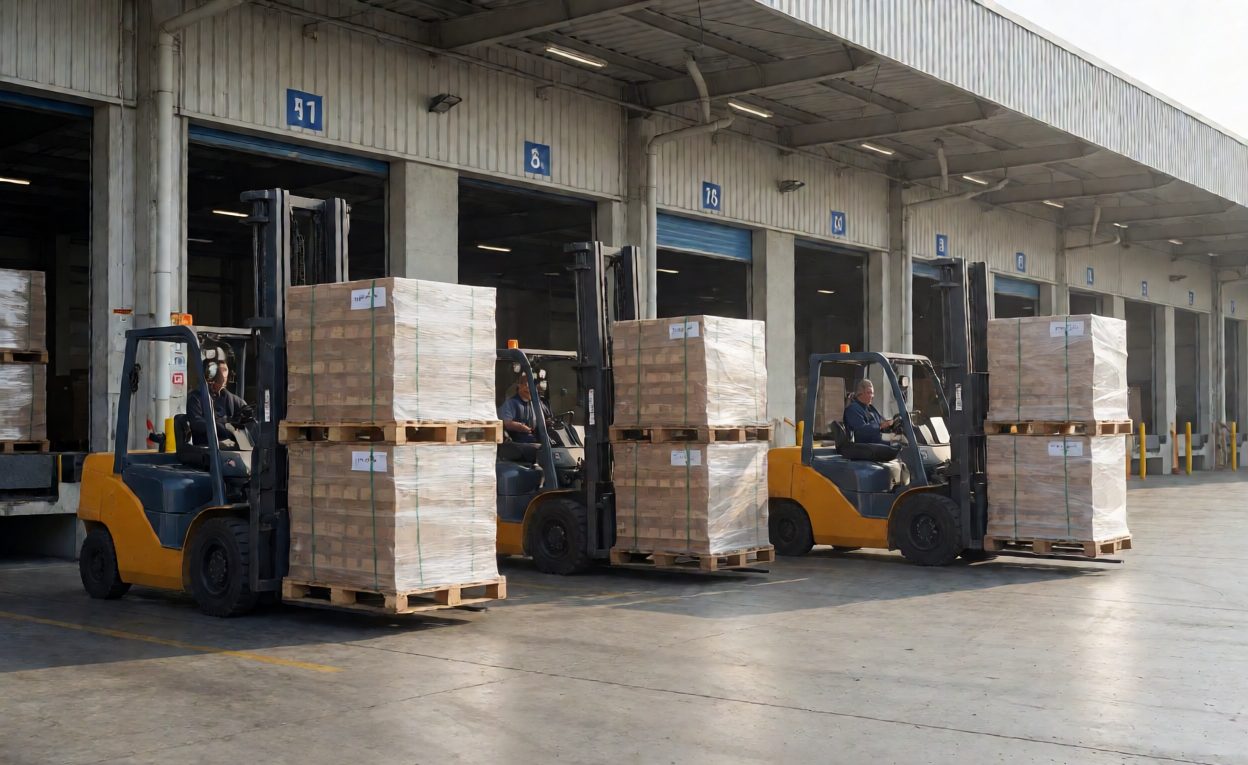
One further consideration is the service level each model can support. Drop-ship transit times depend on the supplier’s location and dispatch discipline, which makes promising a delivery date difficult. Cross-dock with local stock makes a date commitable, and commitable dates are what repeat wholesale buyers actually pay for.
There is also a returns asymmetry worth noting. Returns through a cross-dock are inspected and restocked under your own process, while returns through drop-ship arrive back at the supplier with no inspection in between. The обратная логистика cost difference is real and usually under-counted in model comparisons.
Related reading for buyers working through the same question: 3pl dropshipping how to sell on tiktok shop amazon without getting banned, 3pl dropshipping how to transform from a reseller into a brand и 3pl dropshipping strategic fulfillment solutions for e commerce scalability cover the surrounding decisions this specification depends on.
FAQ
Когда артикулу (SKU) следует перейти с модели drop-shipping на наличие на складе?
Когда еженедельный спрос стабилен в течение определённого периода, а затраты на хранение ниже разницы в стоимости доставки со склада поставщика (drop-ship). Запишите правило, чтобы решение не переосмысливалось по каждой единице SKU.
Нужен ли складской договор аренды для кросс-докинга?
Не обязательно. 3PL может предоставить складское помещение; для кросс-докинга необходимо достаточное количество оборота для обоснования фиксированных расходов, а не владение объектом.
Какая модель быстрее достигает клиента?
Cross-dock usually, because stock is local and consolidated. Drop-ship depends entirely on the supplier’s dispatch discipline, which varies widely.
Can packaging be controlled in drop-ship?
Only by agreement and audit. If packaging carries brand value, cross-dock is the safer model because packing stays under your control.
What is the biggest hidden cost in a hybrid?
Manual routing. Every order that requires a human decision is a cost that scales with volume, which is why the routing rule should be automated.
How should the two flows be reported?
Separately, against their own economics. Blended reporting hides which model is carrying which, and the imbalance usually grows unnoticed.
Is a hybrid harder to run than a single model?
It needs a routing rule and separate reporting, both of which are simple. What it does not need is per-order judgement, which is the failure mode to avoid.