

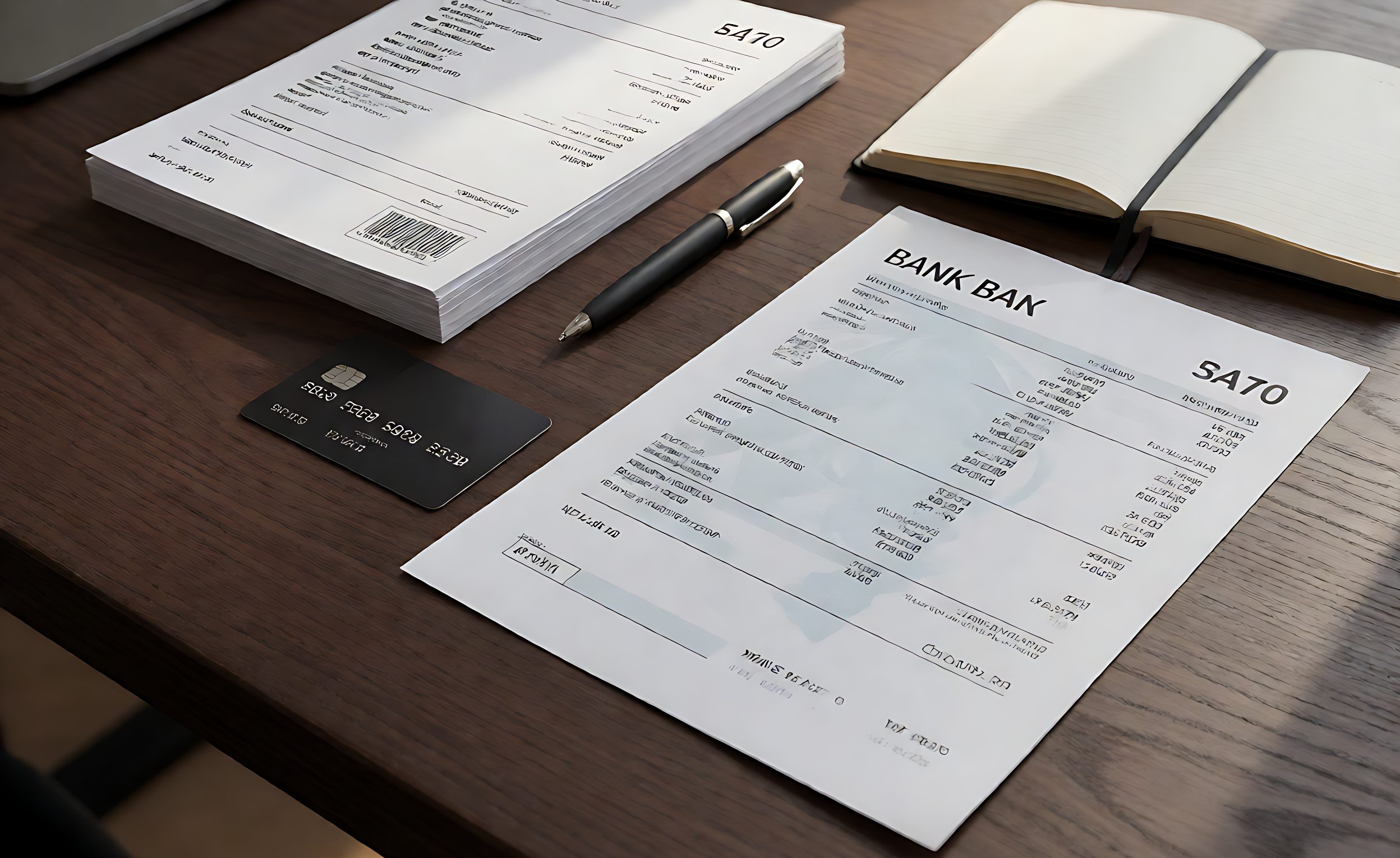
Payment risk does not scale smoothly. A store selling single units to consumers spreads its dispute risk across thousands of small transactions. A bulk order concentrates the same risk into one transaction: a single chargeback can reverse a deposit worth a month of margin, and a single refund demand can strand a pallet of goods on another continent. The mechanics of a dispute are the same at any volume; the exposure is not, and preparation must match the order size.
This article separates the two risks, traces where each comes from, and sets out the evidence file and process changes that decide whether a dispute costs the argument or only the paperwork.

Two Different Risks: Card Chargebacks and Trade Refunds
A chargeback is initiated by the cardholder’s bank. The buyer’s card is credited immediately, the funds leave your account pending review, and you recover the money only by proving the transaction was legitimate and the goods delivered as described. Deadlines are short, evidence standards are strict, and the issuing bank decides – not you and not the buyer.
A trade refund runs under your own sale terms. With a wholesale buyer it is a commercial negotiation: defect rates, replacement stock, credit notes against the next order. There is no bank between the parties, which makes it slower to escalate but far more negotiable – and it is where most bulk-order disagreements live. The two risks need different preparations; a seller who treats them the same usually loses the chargeback and overpays the refund.
Where the Exposure Actually Comes From
Break the sources down and each has a distinct fix:
- Card-not-present fraud on large consumer orders. A stolen card used for a high-value multi-unit order is the classic pattern, and the loss lands entirely on the seller when the true cardholder disputes.
- Friendly fraud. A genuine customer receives the goods and disputes anyway, hoping the bank’s default bias does the work. Multi-unit consumer orders raise both the ticket size and the incentive.
- Delivery failures on large shipments. An order stuck in customs or marked delivered but not received converts directly into a dispute, because proof of delivery is the one thing the bank wants.
- Quality disputes on wholesale lots. A defective batch triggers refund demands across every downstream customer of your buyer, and the negotiation happens at wholesale value, not retail.
- Terms ambiguity. An order where the Incoterm, acceptance standard or defect threshold was never written down becomes a refund argument with no reference point.

The Evidence File That Wins a Dispute
Chargeback outcomes are decided on documents. The file that consistently wins is assembled before any dispute exists:
- The order record. The signed quotation or purchase order, the terms accepted at checkout with a timestamp, and the IP and address match data for consumer orders.
- Proof of fulfillment. Carrier tracking with delivery confirmation, signed proof of delivery for high-value freight, and the packing list showing what shipped.
- Quality evidence. The inspection report for the lot, dated photographs of packed cartons, and the batch documentation tying the shipped goods to the inspected sample.
- The communication record. Every message with the buyer, in sequence, especially any where they acknowledged the goods or negotiated a remedy outside the dispute process.
For wholesale relationships the same file drives the refund negotiation, with one addition: acceptance criteria agreed before shipment. That is why the inspection step is documented under показывает, что меняется. Для операционного процесса вокруг задержек и отказов см. and the workflow basis in the quality control playbook – the reports those processes produce are precisely the exhibits a dispute requires.

Prevention at the Process Level
Prevention is cheaper than any winning file, and most of it is structural:
- Verify before the first big order. The largest losses come from counterparties who did not exist in the form presented. The layered checks in удаленная или очная верификация поставщика apply to a buyer’s payment behavior almost as well as to a factory.
- Stage payments on wholesale orders. Deposit, balance against shipping documents, and a final tranche on acceptance keeps exposure proportional to verified progress.
- Write the acceptance standard into the order. Defect thresholds, remedies and return logistics agreed in advance remove the ambiguity refunds feed on.
- Monitor consumer dispute patterns. Rising disputes on one SKU usually mean a product problem, and fixing it early is cheaper than the fees and processing restrictions that follow a high dispute rate.
For the consumer-facing side of the same problem – smaller tickets at higher frequency – the tactics in chargeback prevention for dropshipping carry over, and the refund-rate fixes in fixing a high refund rate address the product and expectation gaps behind most card disputes. When goods are damaged in transit rather than regretted, freight insurance claims on bulk orders is the parallel recovery path, and RMA workflows and refurb costs covers what happens to the goods a refund sends back.
Технический контекст
The chargeback mechanism itself is a consumer protection feature of card chargeback schemes, designed to give cardholders recourse against merchant fraud, which is why the burden of proof sits with the seller. The wider abuse pattern – disputing a legitimate charge to recover funds while keeping the goods – is documented as friendly fraud. The contractual frame that keeps bulk-order refunds negotiable is the same contract law structure as any other sale: offer, acceptance, and agreed terms of performance.
FAQ
Каков срок для ответа на чарджбек?
Typically 7 to 20 days from notification depending on the card network, so the evidence file must already exist.
Can I win a chargeback when the goods were delivered?
Yes, with proof: carrier tracking showing delivery to the cardholder’s address, a signature for high-value freight, and order records matching the transaction.
Who pays the refund on a defective wholesale batch?
It depends on the acceptance terms: a lot that passed the agreed inspection standard shifts the loss to the buyer; a failed lot obliges the seller.
How do chargeback fees work?
Each dispute carries a fixed fee regardless of outcome, and a sustained high rate brings program fees and eventual processing restrictions from the acquirer.
Is a partial refund better than fighting a dispute?
For a genuine quality complaint, often yes – a negotiated credit note costs less than fees and lost relationships. For clear fraud, fight it.
What payment terms reduce bulk-order exposure?
Staged payments – deposit, balance against shipping documents, final acceptance tranche – keep exposure proportional to verified progress.
Does freight insurance cover dispute losses?
It covers physical loss and transit damage, not commercial disputes – goods in transit need the policy, payment terms need the contract.