

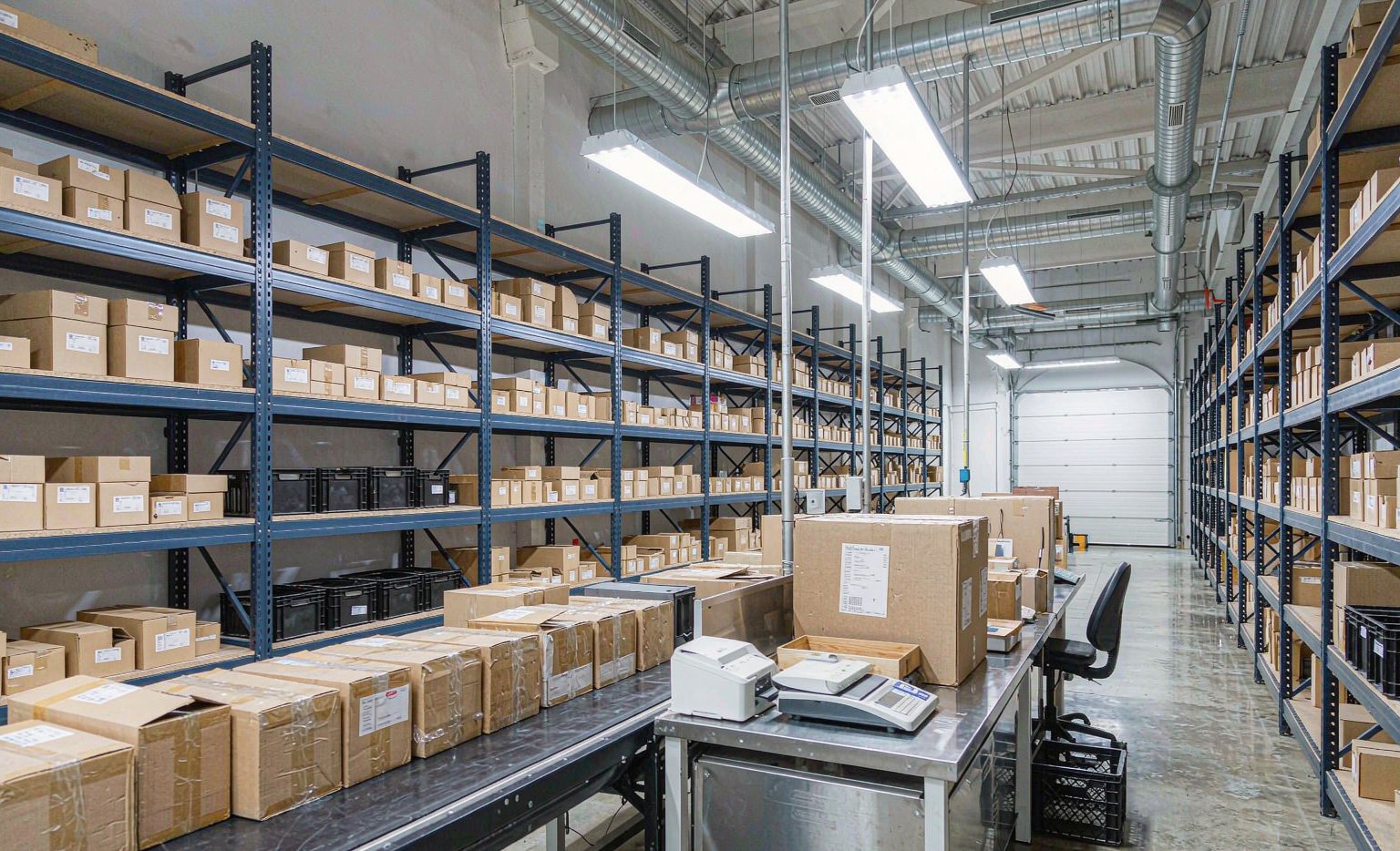
Dropshipping fulfillment is everything that happens after a customer clicks “buy”: receiving the order, sourcing the product, picking, packing, shipping and delivery — plus the tracking that keeps the customer informed. Done badly, it is the single biggest source of refunds and slow growth; done well, it becomes a brand’s customer-experience engine. This guide explains the workflow, how traditional dropshipping compares with an integrated 3PL model, the real cost structure, quality-control and branding, and how to choose a fulfillment partner.
What dropshipping fulfillment is (and the workflow)
The core loop is simple; the execution is not:
- A customer places an order on your Shopify, WooCommerce, Amazon or Etsy store.
- The order is sent to your supplier or fulfillment partner — ideally automatically via API/webhook.
- Product availability is validated against the supplier’s inventory.
- The item is picked, quality-checked, packed and shipped.
- Tracking is fed back to your store and to the customer.
Automation makes this near-instant; manual processing breaks down as volume rises (HQ Fulfillment).
Traditional dropshipping vs integrated 3PL
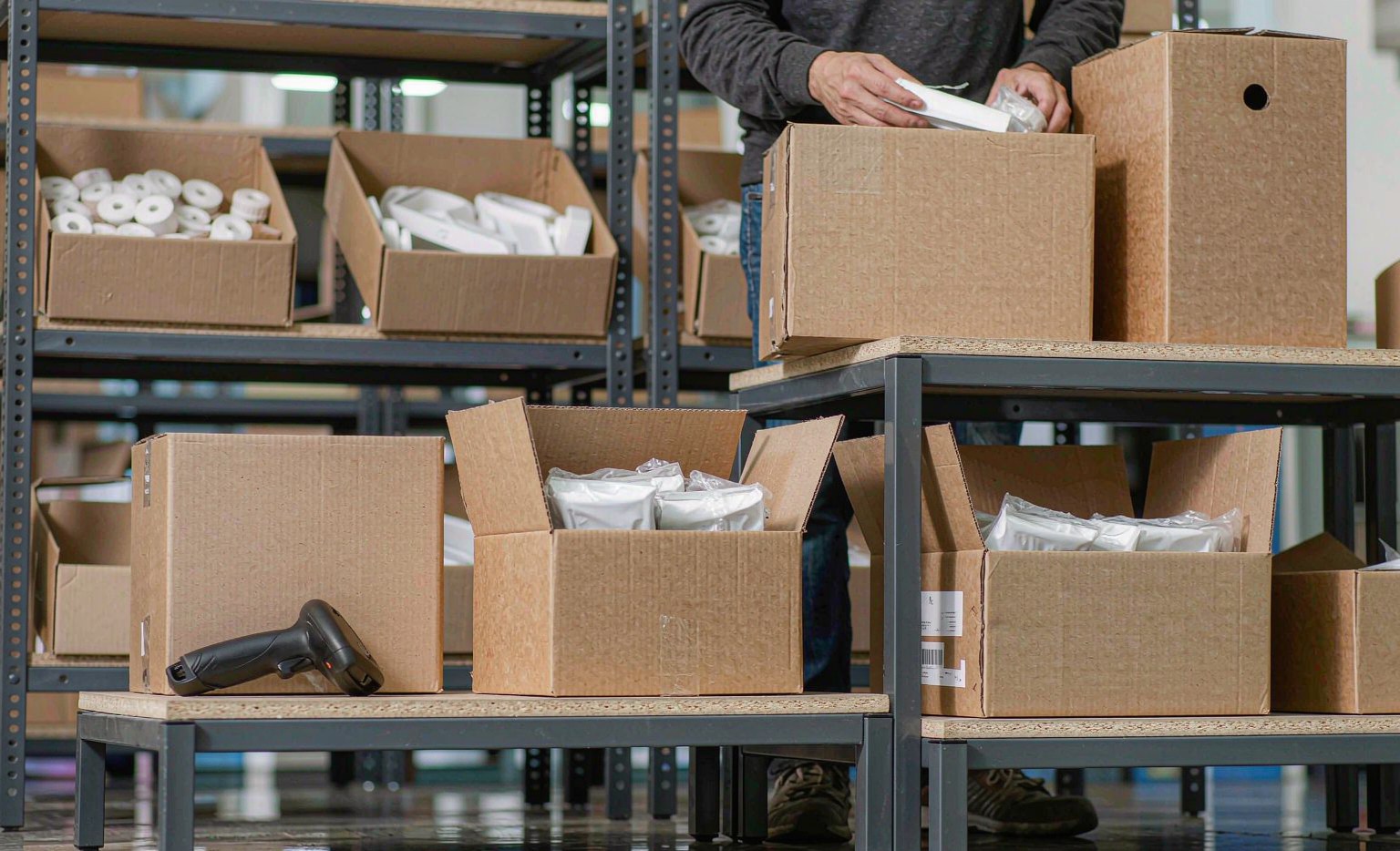
A 3PL (third-party logistics provider) centralises inventory, quality control, packing and shipping under one roof, instead of relying on multiple suppliers. The operational difference is substantial:
| Parameter | Traditional dropshipping | 3PL-integrated model |
|---|---|---|
| Inventory sync accuracy | 78–85% (manual updates) | 99,5%TP3T+ (API em tempo real) |
| Order processing time | 4–12 hours | ≤ 1 hour |
| Global delivery SLA | 15–25 business days | 6–12 dias úteis |
| Controle de qualidade | Dependente do Fornecedor | Processos certificados ISO |
| Embalagem personalizada | Limitado | Full customisation |
Data from Dropioneer’s own operational framework (Dropioneer: Understanding Dropshipping Mechanics).
How the process works technically
- Order capture — platform webhooks notify the 3PL the moment an order is created, eliminating manual data entry.
- Inventory validation — RESTful APIs poll supplier databases every 15–30 minutes to prevent overselling. Real-time visibility can cut stockout-related cancellations dramatically.
- Order relay — confirmed orders transmit to the partner’s WMS (Warehouse Management System) via standard EDI/JSON/XML formats.
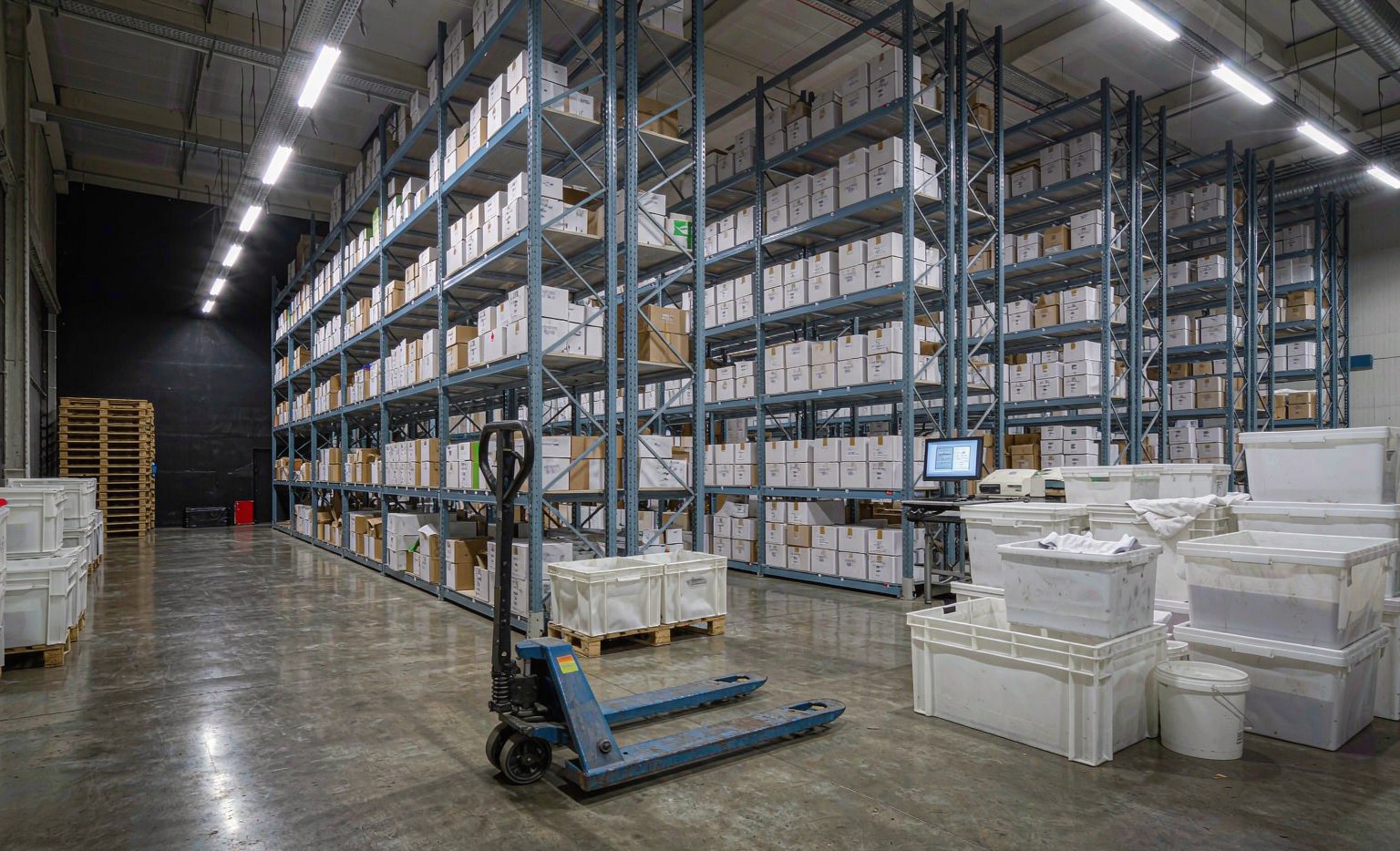
- Inventory allocation — warehouse staff pull SKUs from designated slots; RFID tracking can reduce picking errors to as low as 0.03%, with high-velocity SKUs stored in “golden zones” near packing stations.
- Quality assurance — multi-stage QC checks: cosmetic inspection, functional testing for electronics, weight verification and documentation matching (e.g. CE/FCC).
- Logistics execution — carrier labels are generated automatically and the system selects the optimal carrier by destination, dimensions and service level.
The real cost structure
Fulfillment cost is not just postage. A typical per-order build-up (US example) looks like:
| Cost element | Typical range |
|---|---|
| Pick & pack (operation fee) | $1.50–$3.00 |
| Packaging materials | ~$0.30 |
| Domestic shipping (first lb) | $3.50–$6.50 |
| Direct international courier (for comparison) | $12–$18 |
Shipping is usually the largest single cost. Also budget for inbound receiving fees, monthly storage e return processing before comparing providers — and be aware that long-term storage of slow-moving stock can add per-square-foot monthly charges.
Quality control and branding
Two factors separate a professional operation from a commodity one:
- QC — pre-shipment inspection prevents defective items, reducing refunds and protecting brand reputation. Returns often trace back to inconsistent standards across multiple suppliers.
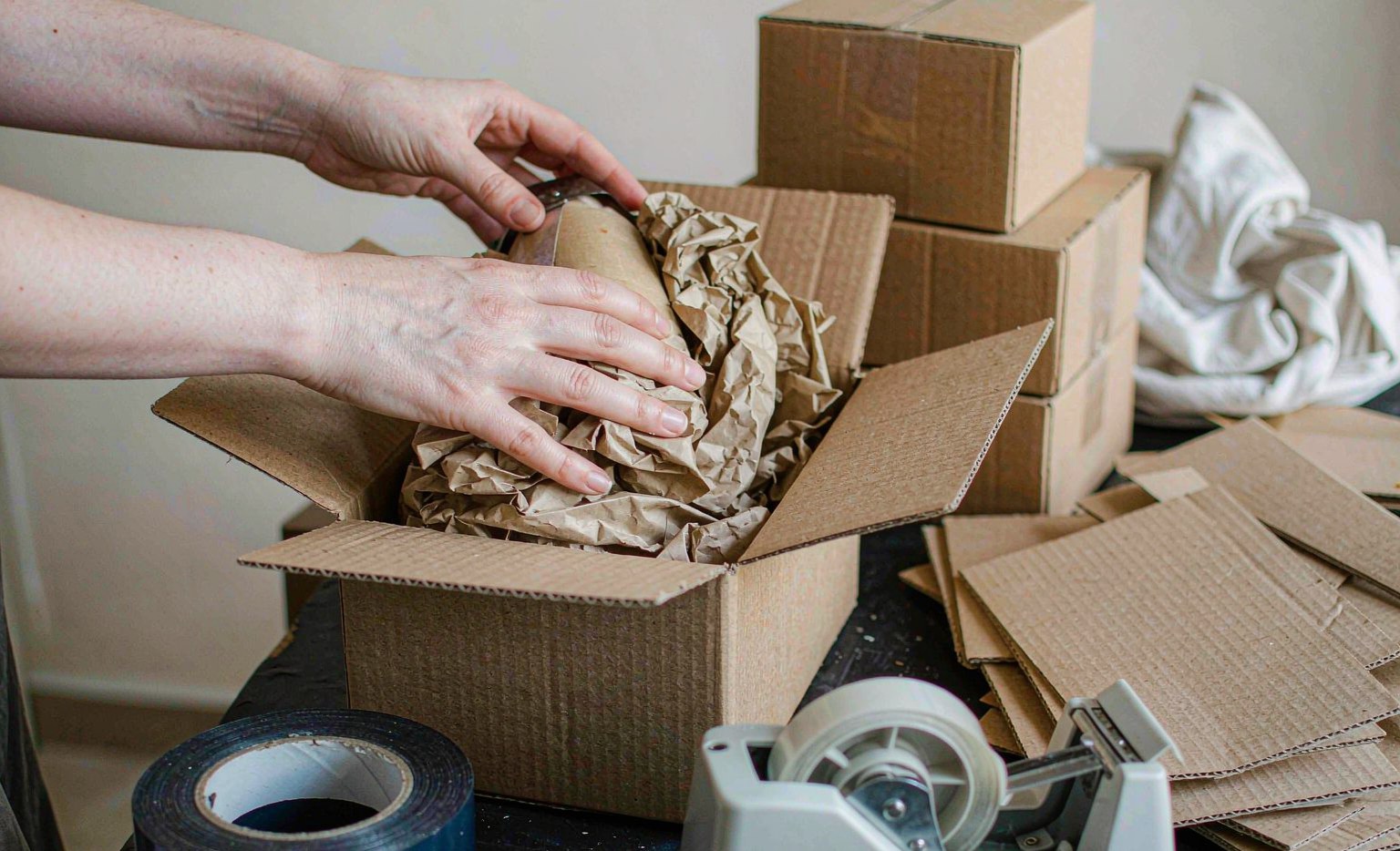
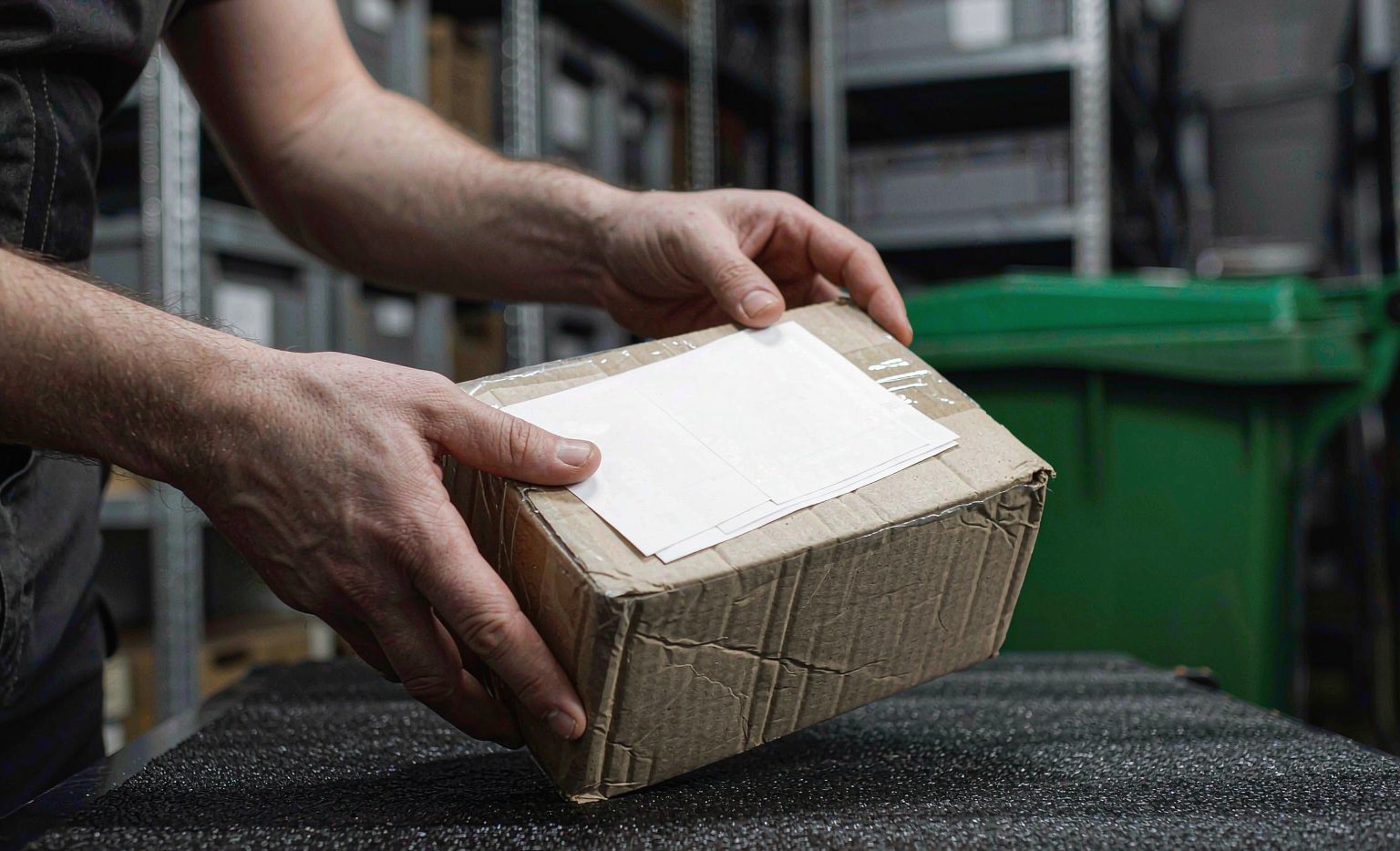
- Marca — custom packaging, logo printing and inserts (thank-you cards, promotions) turn a plain parcel into a brand touchpoint. Branded packaging is associated with meaningfully higher customer retention.
When to switch to a fulfillment centre — and what to watch
Most sellers hit a wall around 20–40 orders per day, where packing and shipping consume the working day. Consider a fulfillment partner when you reach roughly 10–20+ orders/day, manual processing is eating your time, or shipping delays are rising (AliDropship).
Shipping expectations matter more than raw speed: a customer who expects 14 days and gets 12 is happy; one who expects 5 and gets 12 leaves a negative review. Set accurate delivery windows up front.
Common mistakes: choosing the cheapest supplier, ignoring shipping speed, having no QC process, handling orders manually and communicating poorly with suppliers. A hybrid approach — dropship to test demand, then move proven best-sellers into a 3PL — cuts delivery time on the products that actually sell (Dropshipping vs 3PL).
Internal resources
Dropioneer is a global dropshipping fulfillment and sourcing platform offering automated order fulfillment, product sourcing, custom packaging and fast global shipping for Shopify and DTC brands. Related reading: