


Importing goods creates a cash event before it creates a sale. Duty and import taxes are assessed when goods cross the border, which means an importer pays on stock that may sit for months. That timing gap is the entire reason bonded warehousing exists, and it is the only question most buyers should be asking about it.
Direct import is simpler and, up to a point, cheaper. Bonded storage costs money every week and defers a payment. Deciding between them is a cash flow calculation with a compliance overlay, and this article sets out how to run it.
What Direct Import Involves
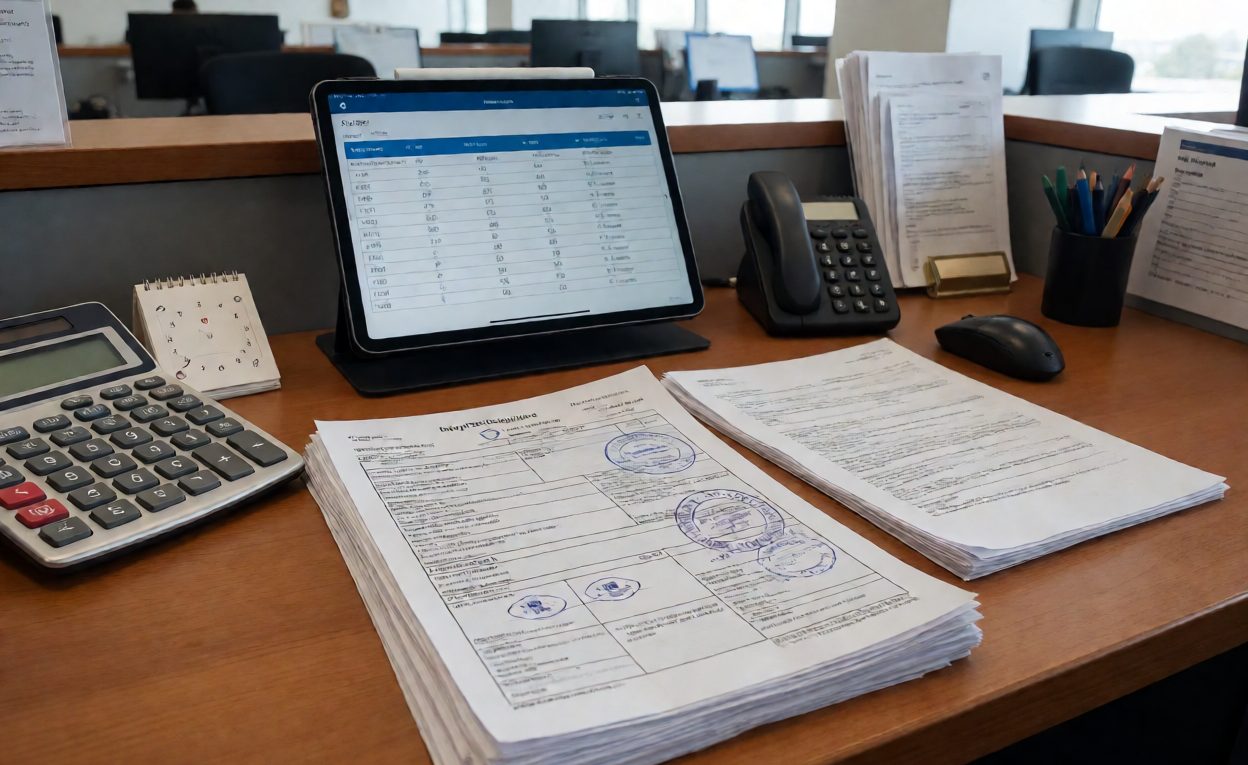
Direct import means goods clear customs on arrival, duty and taxes are paid, and the stock becomes freely sellable inventory held wherever you like. The appeal is simplicity: one clearance event, no ongoing customs supervision, and no restriction on where the goods can be moved or how they are handled. For a buyer importing a predictable volume into a single market with stable demand, the extra machinery of bonded storage buys nothing.
What Bonded Storage Changes
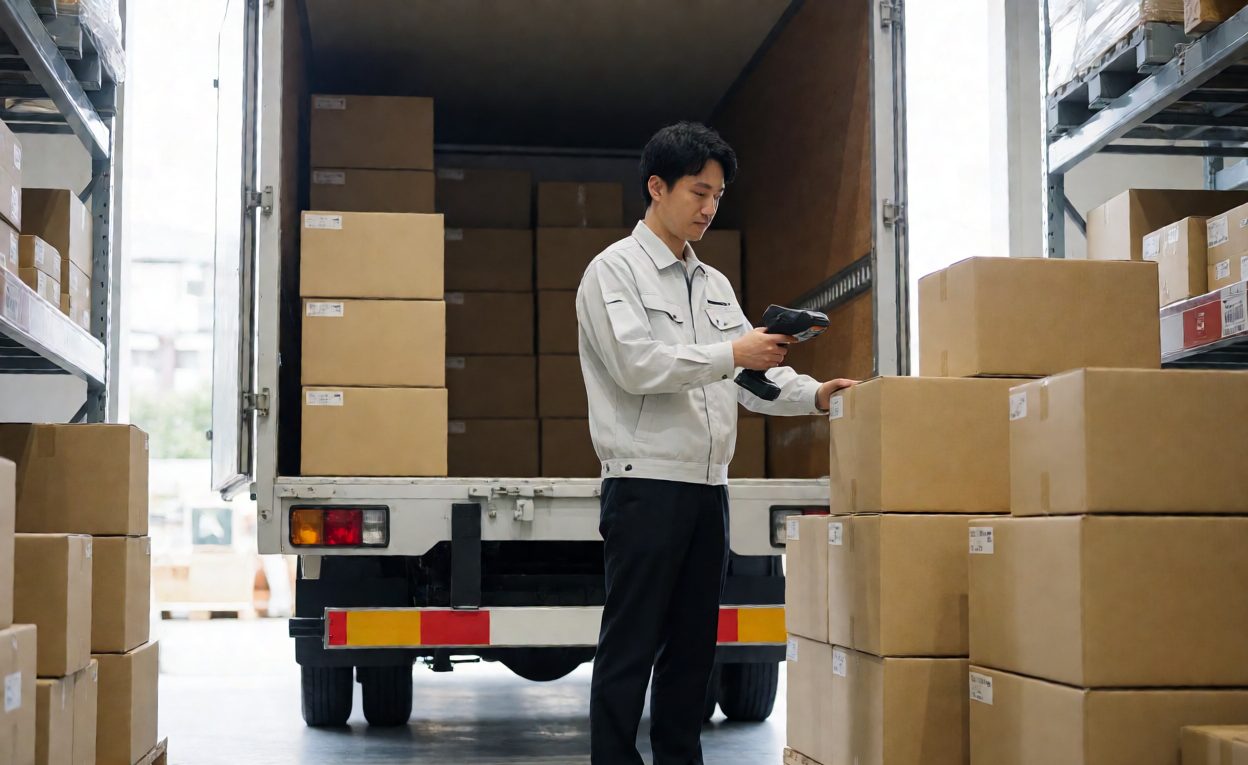
A bonded warehouse holds imported goods under customs control before duty is paid. The mechanics differ by jurisdiction, but four effects are consistent:
- Duty is deferred until goods are released for the domestic market, so the cash outflow moves from arrival to sale.
- Re-export is cheaper. Goods shipped onward to another country may never incur the destination duty at all, which matters for regional distribution.
- Stock can be held longer without the carrying cost of duty already paid on unsold inventory.
- Handling is supervised. Movements are recorded, stock is accountable, and the operator carries obligations that a normal warehouse does not.
Where Bonded Warehousing Pays for Itself
The trade flips on three numbers: the duty and tax rate on the goods, the weeks of stock cover held, and the bonded storage fee per unit per week. Worked per unit, bonded storage wins when deferred duty exceeds storage and administration cost over the holding period:
- High duty rates. The higher the assessed rate, the more cash a deferral frees, and the sooner the trade flips.
- Long or uncertain holding periods. Slow-moving or seasonal stock carries duty longer, which is exactly when deferral pays.
- Re-export intent. If a meaningful share of the shipment leaves the country again, paying duty on that share and reclaiming it later is pure wasted cash.
- Multi-market distribution from one import point, where goods are held pending a destination decision.
Where Direct Import Still Wins
Fast-moving stock with a low duty rate clears and sells inside weeks, so the deferral is worth little and the fees are not. Single-market operations with no re-export have nothing to defer against. Small shipments rarely justify the administration, and any product requiring processing or repackaging inside the warehouse may find those operations restricted or separately approved under bond. There is also a working capital point in the other direction: duty paid early is recoverable in some jurisdictions through drawback or import VAT recovery, and where recovery is fast and reliable the case for bond weakens further.

Technical Background
A bonded warehouse is a facility where dutiable goods are stored under customs control before duty is assessed, which is why the arrangement is documented and supervised rather than merely contractual. The assessment it defers is administered by customs authorities, whose procedures and release rules decide how quickly goods can actually leave bond. The payment itself is a tariff levied on imported goods, and its rate is the single input that decides whether deferral is worth anything at all.
Deciding by Volume and Channel Mix
Run the calculation per SKU rather than per shipment, because duty rates and velocity differ inside one container. Then review it at the points where the inputs change: a tariff revision, a shift in channel mix toward re-export, or a change in how many weeks of cover you hold. Importers who run both structures usually keep fast movers on direct import and slow, high-duty goods under bond, which is easier to justify than committing a whole catalogue to one model.
The duty and tax inputs come from import duties, de minimis and VAT rules, and the total to compare against is built in landed cost calculation for wholesale imports. Documentation and labelling obligations are the same either way, covered in product compliance and labelling for bulk importers, while the tax registration side is treated in sales tax and VAT nexus. Whether the goods then sit in one location or several is a separate decision, set out in US warehouse versus shipping from China e multi-warehouse distribution, and mode of arrival is decided in air, sea and rail freight selection.
Perguntas Frequentes
O que é um armazém sob regime aduaneiro?
A customs-controlled facility where imported goods are stored before duty is paid. Duty is assessed when goods are released for sale in the domestic market.
How much does bonded storage cost?
A per-unit weekly storage and administration fee. Whether it is worth paying depends on the duty deferred and how long the stock would otherwise sit.
When does bonded warehousing beat direct import?
When high duty rates, long holding periods or re-export intent make the deferred payment worth more than the storage and administration fees.
Can goods be re-exported from bond without paying duty?
Often yes, which is the main advantage for regional distribution. Goods that never enter the domestic market may never attract that duty.
Is direct import always simpler?
Usually. One clearance event, no customs supervision of stock movements, and no restriction on handling or processing after clearance.
Can goods be repackaged inside a bonded warehouse?
Sometimes, but operations under bond are restricted and often need specific approval. Confirm what is permitted before planning any value-added work there.
How often should the decision be reviewed?
Whenever an input changes: a tariff revision, a shift toward re-export channels, or a change in how many weeks of stock cover you hold.