


Retail returns are a customer experience problem. Wholesale returns are a contract problem, and treating them like the first is how buyers end up absorbing costs that were never theirs. When a pallet comes back, someone is paying for the freight both ways, the inspection labour, the repackaging, and the fact that a returned unit is worth less than a new one. The only question is who – and that question is answered by terms agreed before the order, not by goodwill after it.
Most wholesale suppliers have a return policy. Fewer have a good one, and fewer still have one the buyer actually read. Below is what to look for, what to negotiate, and which numbers are realistic.
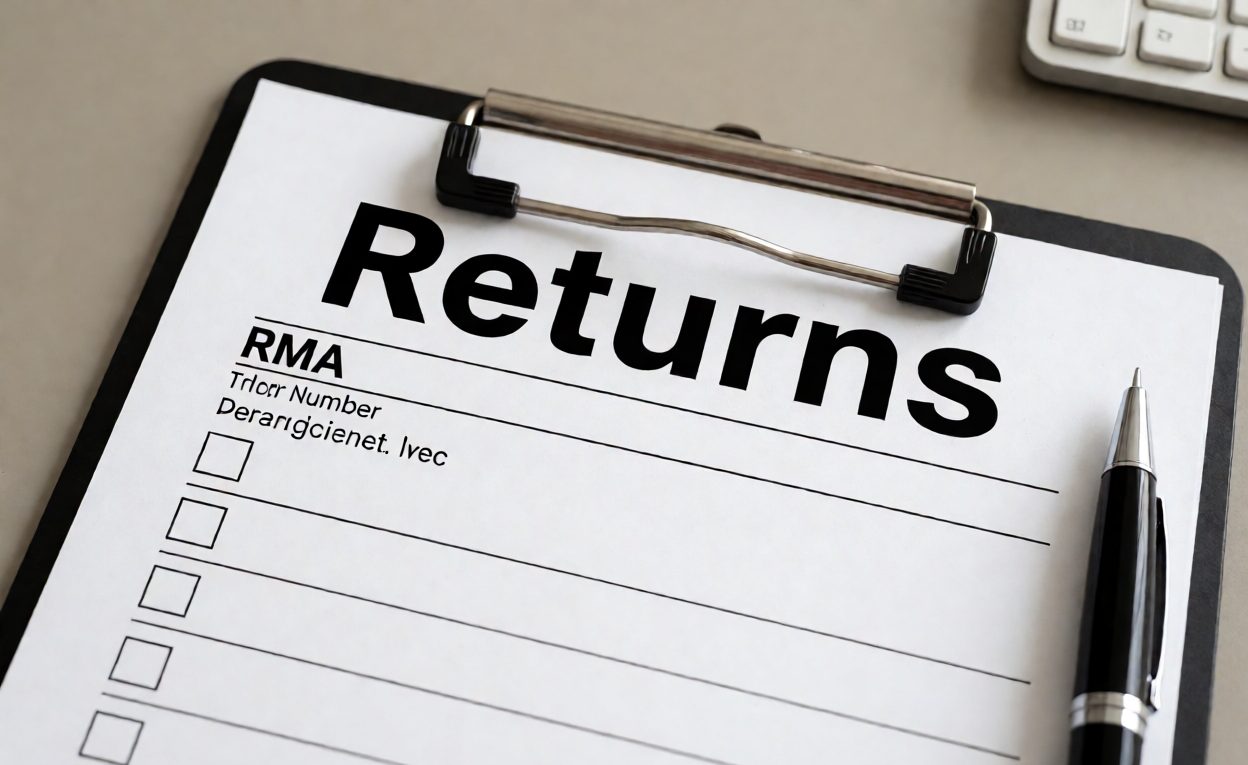
Start With the RMA: No Authorisation, No Return
Every credible wholesale policy routes returns through an authorisation step: the buyer requests one, the supplier issues a reference number, and the goods travel against that number. Without it, cartons arrive unlabelled into a warehouse that cannot tell a defect claim from a change of mind, and the credit never follows.
A good authorisation clause specifies the request window, the information the buyer must supply (order reference, SKU, quantity, reason and photographs), the supplier’s response time, and the rule that unauthorised returns may be refused. Photographs matter more than buyers expect: a claim supported by images of the defect, carton and label is processed in days, while the same claim in prose takes weeks.
Windows: Who Gets How Long, and for What
Return windows should differ by reason, because the reasons are genuinely different:
- Defective or non-conforming goods: the longest window, and the one that should not depend on the buyer noticing quickly. Reasonable practice is 30 to 90 days from delivery, sometimes longer for defects that only surface in use.
- Damage in transit: a short, strict window – commonly 7 to 14 days – because carrier claims have their own deadlines and the buyer is the only party positioned to document the carton on arrival.
- Buyer’s change of mind or over-order: the shortest window, if allowed at all. Wholesale terms frequently exclude this entirely, which is normal and not unreasonable.
- Short shipment or wrong item: usually handled as a claim rather than a return, with a credit or replacement rather than freight back.
Restocking Fees: What Is Actually Normal
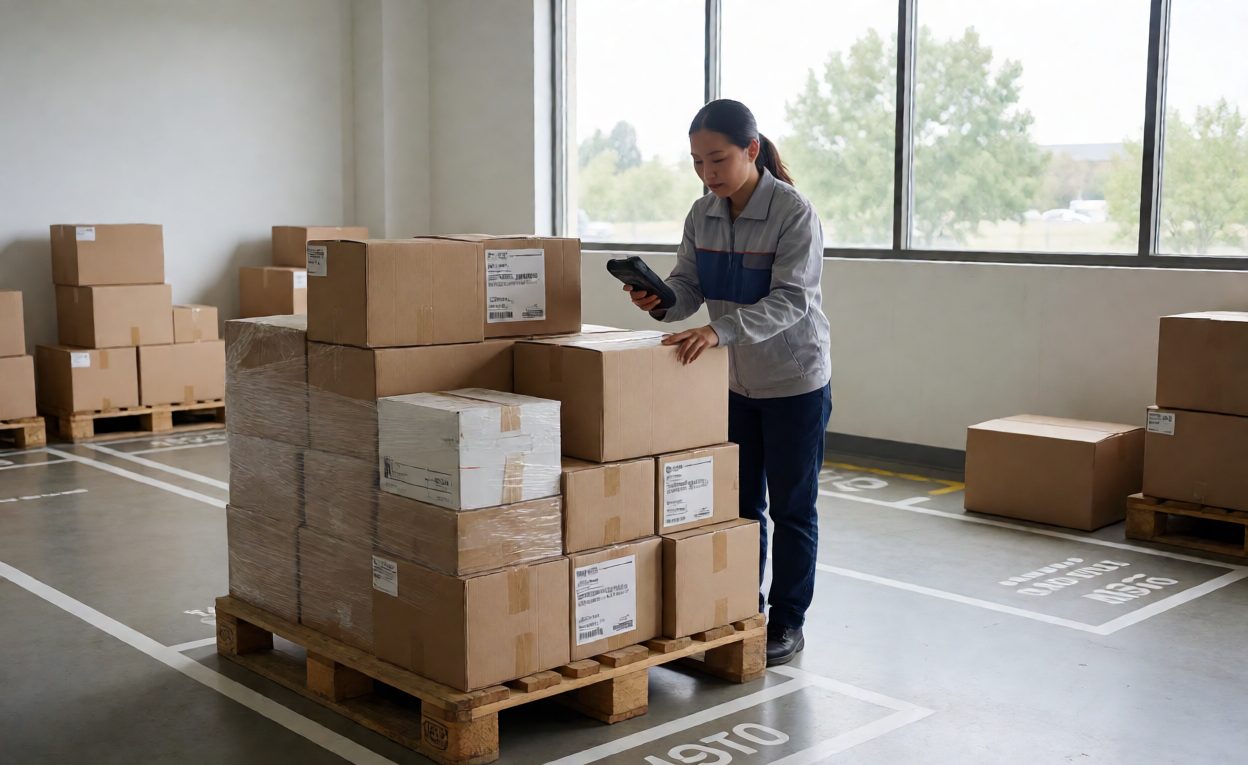
A restocking fee is the supplier’s charge for taking saleable goods back into inventory. It exists because a returned unit is not a new unit: it has been opened, handled, re-inspected and repacked, and in many categories it can only be resold at a discount. Charging for that is legitimate. Charging 40 percent for it is not.
Realistic ranges depend on how resalable the goods are. Factory-sealed standard items in current packaging typically carry 10 to 20 percent. Opened but undamaged items run 20 to 30 percent. Custom, private label or made-to-order goods are usually non-returnable at all, which is fair, because the supplier cannot resell your branding to anyone else. Anything above roughly 30 percent on standard catalogue stock is worth challenging, and any policy that applies a fee to defective goods is worth challenging harder – a defect is not a restock.
Freight, Inspection and the Split Nobody Writes Down
The fee is only part of the cost. The policy should also state who pays carriage in each direction, who insures the return leg, and whether the buyer is charged for inspection labour. A common and defensible split: the supplier pays return freight and inspection when the goods are defective or non-conforming; the buyer pays both when the return is discretionary. Where a partial defect is found – some cartons bad, most fine – the sensible outcome is a partial credit for the affected quantity rather than a full return, and the policy should say so explicitly so nobody has to negotiate it from scratch.

Defect Claims on Bulk Orders
Bulk orders add a complication retail returns do not: the defect may affect 4 percent of a 5,000-unit shipment, and returning 5,000 units to recover 200 is absurd. Wholesale terms should therefore allow a partial remedy – credit or replacement for the affected quantity, supported by sampling evidence rather than a full count.
That is where inspection data earns its keep: a defect rate established against an agreed sampling standard turns an argument about percentages into a number both parties already accepted. The remedies sit inside the document set as la inspección de terceros y el muestreo AQL. Operationally, the returns flow is the back half of RMA workflows and refurbishment costs, and the customer-facing text inheriting these terms is set out in what a returns policy should include. Where a claim escalates into a payment dispute, chargeback and refund exposure on bulk orders explains what is at stake.
Antecedentes técnicos
The authorisation step is a formalised return merchandise authorisation, and its purpose is traceability: a return without a reference cannot be reconciled against an order or a credit note. The cost structure behind restocking fees comes from reverse logistics, where goods moving backwards cost more per unit than goods moving forwards because every step is exception handling. And the defect-versus-discretionary distinction mirrors warranty logic, under which remedies for non-conforming goods are stronger than goodwill returns.
Preguntas Frecuentes
¿Cuál es una tarifa típica de reposición por mayor?
10 to 20 percent for factory-sealed standard stock, 20 to 30 percent for opened but undamaged goods, and custom or private label items are usually non-returnable.
Debo pagar una tarifa de reposición por productos defectuosos?
No. A defect is a non-conformity, not a restock. Defective goods should be credited or replaced with the supplier covering freight and inspection.
How long is a reasonable return window for bulk orders?
30 to 90 days for defects, 7 to 14 days for transit damage, and discretionary returns are often excluded entirely in wholesale terms.
What is an RMA and why do suppliers insist on one?
A return merchandise authorisation: a reference number issued before goods ship back, so the return can be matched to an order, inspected and credited without dispute.
Do I have to return the whole order if only part is defective?
Usually not. Wholesale terms should permit a partial credit or replacement for the affected quantity, supported by sampling evidence rather than a full recount.
Who pays return freight?
The supplier for defective or non-conforming goods, the buyer for discretionary returns. The split should be stated in the policy rather than settled per claim.
Can custom or private label products be returned?
Rarely. Because the supplier cannot resell branded goods, these are normally non-returnable except for defects, which makes the pre-production sample stage more important.