


A retail buyer importing ten cartons can sometimes treat compliance as paperwork that arrives with the goods. A buyer importing ten thousand units cannot, because at volume the importer becomes the party authorities hold responsible for what is placed on the market. That shift changes what has to be checked, when, and by whom.
The practical consequence is that compliance decisions move upstream. Marks, labelling and documentation have to be specified on the purchase order, verified on a pre-shipment sample, and re-verified when tooling or material changes – not discovered after a container lands.
Conformity Marks Are Not Interchangeable
The CE mark indicates conformity with the applicable European requirements for a product category, and it is a self-declaration for most consumer goods, backed by a technical file. The UKCA mark serves the same function in Great Britain. Both are category-specific: a toy, an electrical appliance and a food-contact item each follow a different directive or regulation, with different essential requirements and, in some cases, different testing.
The newer European general product safety framework adds obligations that sit on top of sector rules rather than replacing them: a responsible economic operator established in the market, traceability information on the product or packaging, and documentation that can be produced on request. For an importer, the notable part is that these obligations apply even where a specific directive already does.
In the United States, the Consumer Product Safety framework works differently: sector rules, mandatory standards for specific categories such as children’s products, and a certificate regime for regulated goods. Children’s products additionally require third-party testing by an accredited laboratory and tracking labels on the product and packaging.

What Must Appear on the Product and Packaging
Label fields are where most volume shipments fail, because they are decided late and apply per unit. The set that typically applies:
- Importer or responsible operator identity with a reachable address in the market.
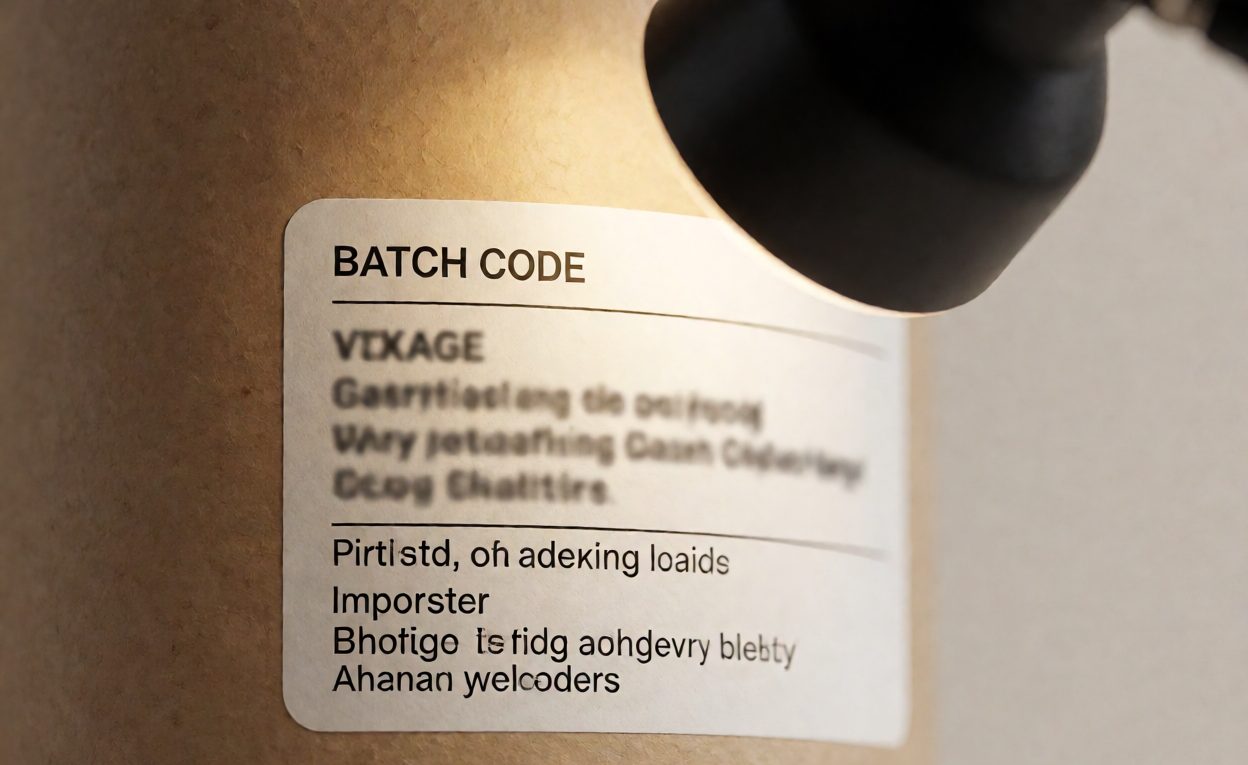
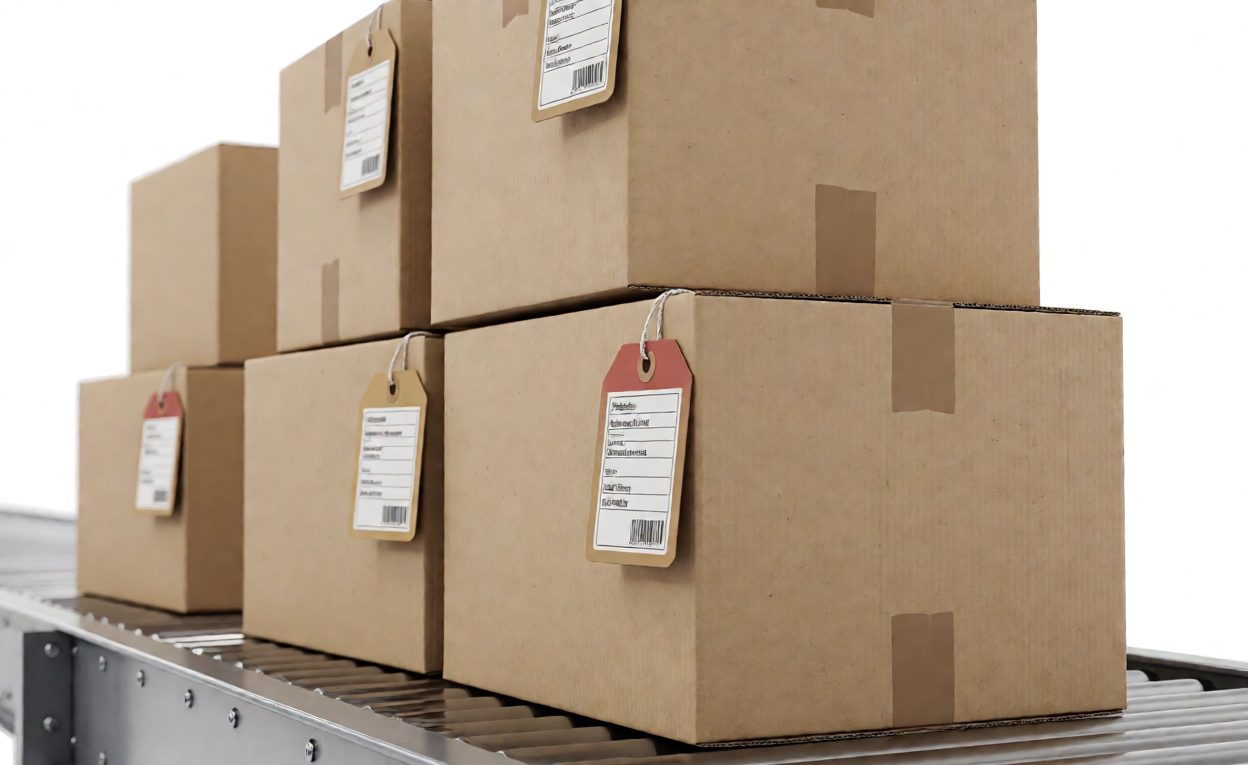
- Traceability information: model, batch or serial reference that links the unit to a production record.
- Country of origin, marked permanently where the rules require it.
- Material composition where relevant, especially for textiles, food contact and electrical goods.
- Warnings and age grading in the language of the destination market, presented in the required format and size.
- Disposal and recycling marking for electrical and battery-containing products.
The failure mode is artwork. A factory that produces compliant samples will still print whatever artwork was approved, and artwork approvals are frequently given on a drawing that nobody re-checked against the destination rules. Put the label fields into the purchase order as a checklist, and approve a physical printed sample rather than a PDF.
Documentation That Has to Exist Before Shipment
Beyond the label, a bulk import normally needs a technical file or declaration of conformity, test reports from an accredited laboratory dated within the accepted window and covering the actual production sample, and, for regulated categories, a certificate referencing those reports. The reports must match the product as shipped: same material, same factory, same construction. A test report for a similar product from a different factory is not evidence.
Re-testing triggers matter as much as the initial test. A resin change, a coating substitution, a new sub-supplier for a critical component, or a tooling change that alters wall thickness can all invalidate an existing report. Build a rule that any of these triggers a new test before the next bulk shipment, and require the factory to declare changes in writing.
Antecedentes técnicos
Conformity marking schemes are built on the idea of a technical file held by a responsible party, described in the background on product safety regimes. The European mark itself is covered under CE marking, which explains the self-declaration model and its limits. The United States approach is anchored in the Consumer Product Safety Act, which established the commission and the mandatory standards structure.
Building a Repeatable Compliance Gate
The efficient structure is a one-page compliance specification per SKU: destination markets, applicable standards, marking requirements, test reports held and their expiry, and the change triggers that force re-testing. That page is attached to the purchase order, checked at pre-shipment inspection, and updated when anything changes.
Where a category is genuinely uncertain, use a laboratory or consultant before the first bulk order rather than after. The cost of a pre-production assessment is a fraction of a rejected container, and it produces the document set that makes every subsequent order routine.
Compliance sits alongside pre-shipment inspection practice y reducing defect rates. The customs side of the same shipment is covered in duties, de minimis and import VAT, and supplier documentation discipline is part of running a supplier scorecard.
Preguntas frecuentes
¿Quién es responsable del cumplimiento en una importación por lotes?
Generally the importer or the responsible economic operator established in the destination market, not the overseas factory.
¿Es la marca CE una certificación emitida por una autoridad?
For most consumer goods it is a self-declaration supported by a technical file and test evidence. Only higher-risk categories require a notified body.
Do I need both CE and UKCA?
Depending on destination. Goods placed on the Great Britain market require the UK marking; goods placed on the EU market require the EU marking.
How old can a test report be?
There is no universal expiry, but most buyers treat reports older than two years, or predating any material or tooling change, as needing renewal.
What triggers re-testing?
A material or resin change, a coating or plating substitution, a new sub-supplier for a critical part, or a tooling change affecting construction.
What traceability information is required?
Enough to link the unit to a production batch: a model reference plus a batch, lot or serial code on the product or packaging.
Can I rely on the factory’s existing test report?
Only if it covers the exact product, material and factory being shipped. Reports for similar products are not acceptable evidence.