

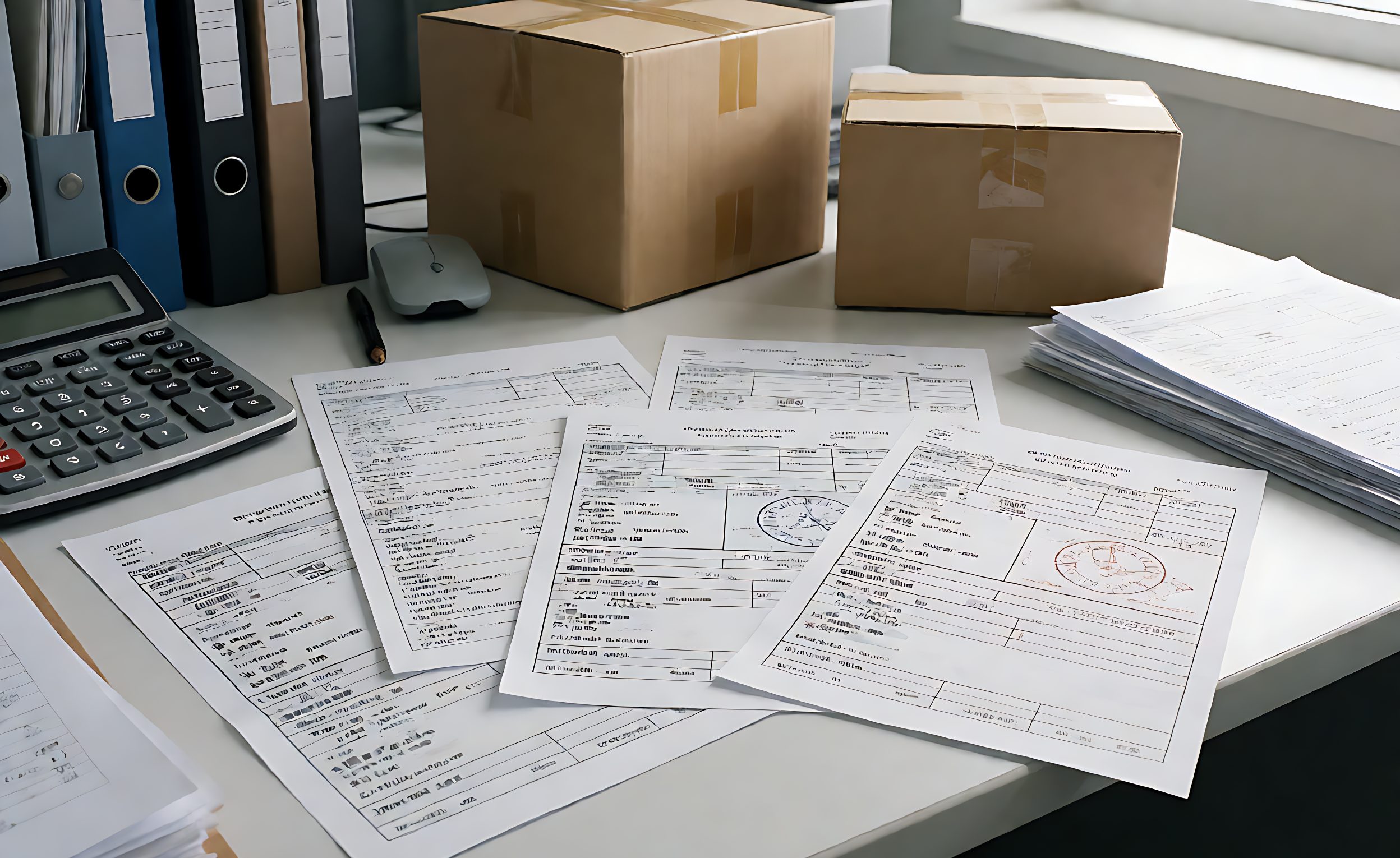
Duty is paid on the assumption that goods will be consumed in the market that charges it. When that assumption turns out to be wrong – goods are re-exported, destroyed under supervision, or never entered the market at all – most customs regimes provide a mechanism to give the money back. Collectively these are called drawback, and for wholesale importers moving stock between markets they are real money routinely left on the table.
What is left unclaimed is not usually the concept but the paperwork: drawback is a documentation exercise, and the records only exist if they were created deliberately at import. This article sets out what qualifies, the records customs expects, and the order sizes where filing is worth it.

What Duty Drawback Actually Is
Drawback is the refund, in whole or part, of customs duty, taxes and certain fees paid on imported goods that are subsequently exported or destroyed. Three variants cover most wholesale situations:
- Direct drawback. The identical goods you imported are exported unused – the cleanest claim, because the import-to-export link is one-to-one.
- Substitution drawback. Equivalent domestic or previously duty-paid goods of the same description and quality are exported instead. This makes drawback practical for commodity stock, but the matching rules are strict.
- Manufacturing drawback. Imported materials are used to produce an exported article and the duty on the materials is recovered – the version most relevant to assembly and light manufacturing.
The principle underneath all three: duty was collected on goods that were not consumed in the taxing market, so keeping it would tax something that did not happen.
Which Imports Qualify – and Which Do Not
Goods qualify when duty was actually paid on entry, they are exported within the statutory period, the export is verifiable, and the claimant bore the duty. Three exclusions catch people out:
- Duty-free or preferential entry. There is no duty to refund, so there is no claim – though a different relief may still apply.
- Goods consumed or substantially altered in the market. Once used, the export is a used-goods export and the basis for refund has gone.
- Claims filed by the wrong party. The refund follows whoever paid, set by the importer of record – a point decided long before shipping, in Incoterms on wholesale purchase orders.
Check too whether the goods were dutiable at all, since much small-parcel volume sits under de minimis thresholds. Per de minimis and import VAT rules, if no duty was assessed, reclaiming import VAT is the relevant route instead.
The Record Set Customs Expects
A drawback claim is won or lost on documents, and the documents must tie together without gaps. Expect to produce:
- The import entry, with duty actually paid and evidenced by the assessment record.
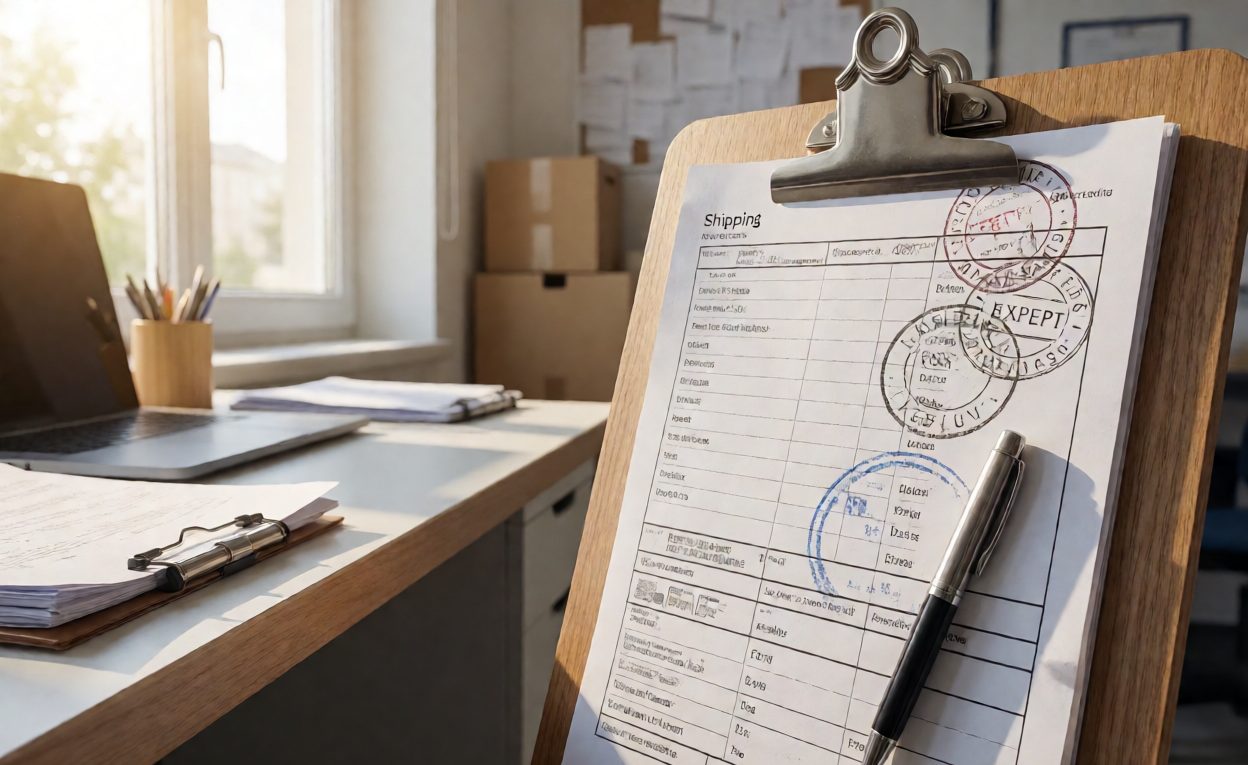
- Proof of export, normally the export declaration plus carrier or customs confirmation that the goods left.
- A reconciliation tying exported units to imported units by identifier wherever the goods carry one.
- Destruction evidence where applicable, witnessed or certified rather than merely asserted.
The reconciliation is where claims fail: customs will not infer that the exported units were the imported ones. Maintain unit or batch identifiers through the warehouse, because a drawback claim is the moment that discipline pays for itself.
Re-Export, Destruction or Bonded Storage
Drawback is a remedy applied after duty has been paid. Two alternatives avoid paying in the first place, and both are usually cheaper than claiming later:
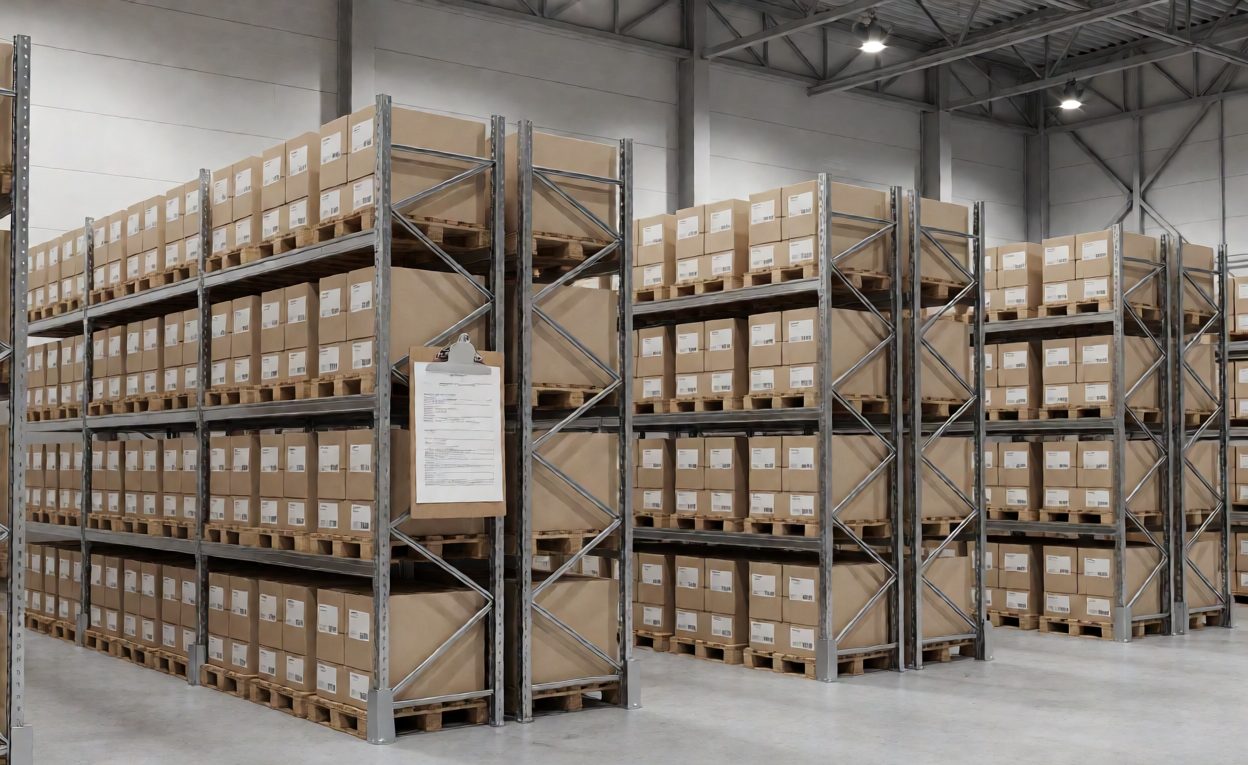
- Bonded or free-zone storage. Goods are held without duties being settled; re-exported stock owes nothing, and duty is only settled if goods are released for sale. This is the better structure when the destination market is genuinely undecided.
- Supervised destruction. For unusable or non-compliant goods, destruction under customs supervision can extinguish the duty liability – common for stock that failed compliance checks.
Compliance status decides which route is even available, and the groundwork in product compliance and labelling for bulk importers is what sets it up.
Timelines, Costs and Whether It Is Worth It
Two clocks run on every claim: the export must occur within the statutory period after import, and the claim must be filed within its own window after export. Missing either kills the claim regardless of merit.
On cost, be realistic. A claim demands staff time, broker fees and a document trail, and recoveries are a percentage of duty paid, not of goods value. Break-even usually sits where recoverable duty on one import exceeds several hundred currency units, which for most wholesale buyers means consolidated bulk entries rather than individual parcels. Below that the better move is structural: use bonded storage, or correct the classification so the duty is not paid at all.
Two further exposures matter when the numbers are material. Duty is assessed in local currency, so on long-lead orders the refund may not match the payment once rates moved – see currency risk on long-lead purchase orders. And where orders are cancelled rather than re-exported, recovery moves from customs to payment networks, the territory of chargeback and refund exposure on bulk orders.
Filing Without Losing the Claim
Declare the correct importer of record from the first order, keep unit identifiers intact, scan export documents at the moment of export, and file on a calendar. Treat recovered duty as a cost reduction per landed cost calculation for wholesale imports, not as found money.
Technical Background
Drawback exists because customs duty is assessed at import on the assumption of domestic consumption; refunding it on exit keeps the tax consistent with that assumption. The movement that triggers recovery is an re-export, where imported goods leave without having entered the market, and holding stock in a free trade zone achieves the same result more efficiently because no duty is ever settled.
Frequently Asked Questions
What is duty drawback?
A refund of duty, taxes and some fees paid on imported goods that are later exported or destroyed, on the principle that the taxing market did not ultimately consume them.
What is the difference between direct and substitution drawback?
Direct drawback covers the identical imported units being exported. Substitution drawback allows equivalent goods to be exported instead, subject to strict matching on description and quality.
Can I claim drawback on goods imported duty-free?
No. If no duty was assessed there is nothing to refund. The relevant question then is whether import VAT or another tax can be reclaimed through a different process.
How long do I have to export and to file?
Two deadlines apply: goods must be exported within the statutory period after import, and the claim must be filed within its own window after export. Both vary by jurisdiction.
Who receives the refund?
The party who bore the duty, normally the importer of record on the entry. If an agent or marketplace was the importer, the buyer may have no standing to claim at all.
Is bonded storage better than claiming drawback?
Often yes, when the destination market is genuinely undecided. Duty is simply not settled until goods are released for sale, which removes both the cash outflow and the claim workload.
When is a drawback claim not worth filing?
When recoverable duty on the entry is lower than the staff and broker cost of preparing it. For most wholesale buyers that means consolidated bulk entries, not individual parcels.