


Freight mode looks like a speed decision and behaves like a cost decision. Air moves in days, sea in weeks and rail somewhere between, but the number that matters to a wholesale buyer is what the goods cost landed, per unit, on the date they can be sold. A faster mode that arrives after the selling window has closed is expensive; a slower mode that forces a stockout is worse.
This article sets out how the three modes compare on bulk orders, and the breakpoints where the right answer changes.
The Variables That Actually Decide the Mode
Transit time and freight rate are the two numbers everyone compares. Three more decide the outcome:
- Value density. High value per kilo tolerates air freight; low value per kilo does not. A mode that costs more than a few percent of unit value is rarely viable at wholesale margins.
- Volume and cube. Air prices on chargeable weight, so light bulky goods are penalised. Sea prices by container, which rewards filling one.
- Cost of the delay itself. Stockout losses, missed launch windows and contractual delivery penalties all have a weekly cost, which is the number air freight is competing against.
- Certainty. A mode with a tight, reliable distribution of arrival dates is worth more than one with a cheaper average and a long tail.
Air Freight: Buying Weeks
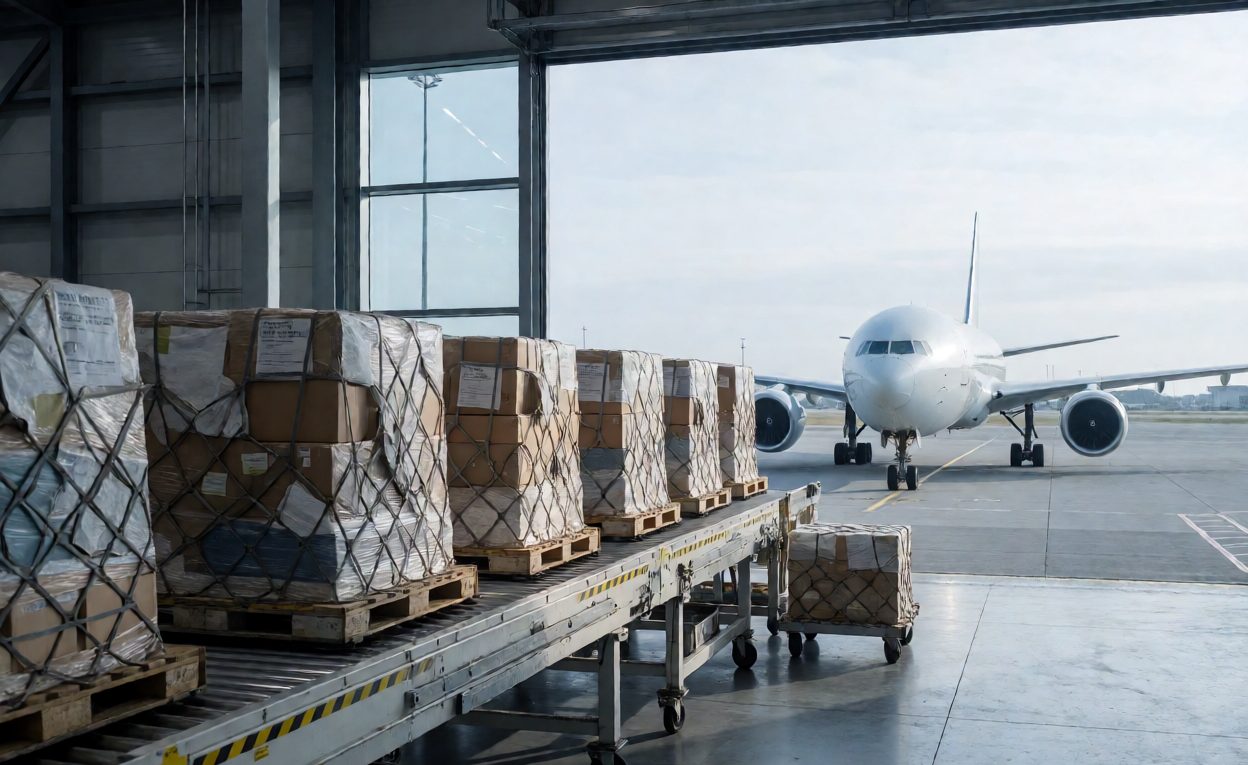
Air is the correct answer when the weekly cost of waiting exceeds the freight premium. That happens in a short list of situations: covering the opening of a selling season, replacing a failed batch, launching against a fixed date, and testing demand on a new SKU before committing to a container. It is also the mode that tolerates low volumes best, because there is no container to fill.
Its limits are equally clear. Chargeable weight punishes bulky goods, rates spike in the same peak weeks every buyer is shipping, and dangerous goods restrictions exclude entire categories. Sizing the first tranche rather than the full order is usually the right move.
Sea Freight: The Default and Its Hidden Costs
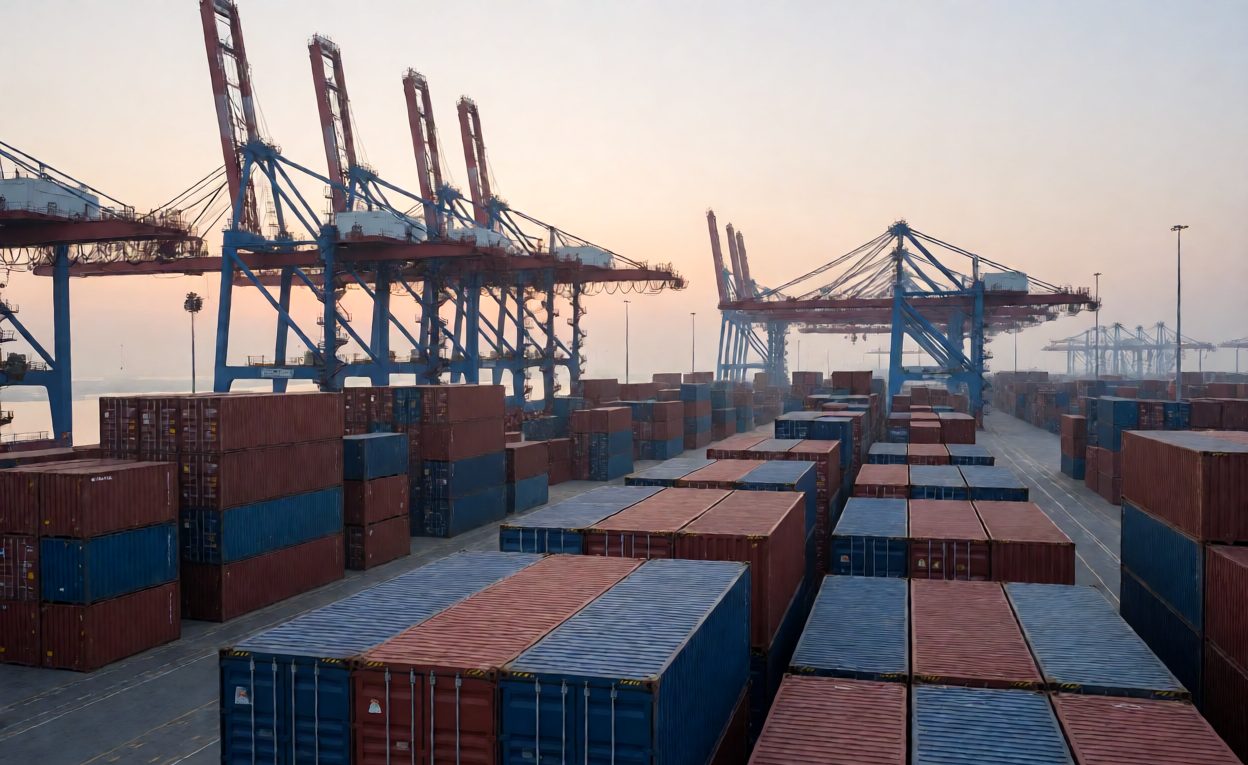
Sea carries the overwhelming majority of wholesale volume and for good reason: per unit, it is an order of magnitude cheaper once a container is reasonably full. The hidden costs sit around the rate rather than in it:
- Full container versus less than container load. Consolidation fees and handling can make a part-load shipment cost more per unit than a full one carrying twice the volume.
- Port and destination charges that are quoted separately and arrive after the booking decision.
- Transit variability. Sailings roll, transhipment adds days, and peak-season congestion widens the distribution rather than shifting it.
- Inventory carrying cost on the weeks of stock in transit, which is real money even though no invoice line names it.
Rail Freight: The Middle Lane
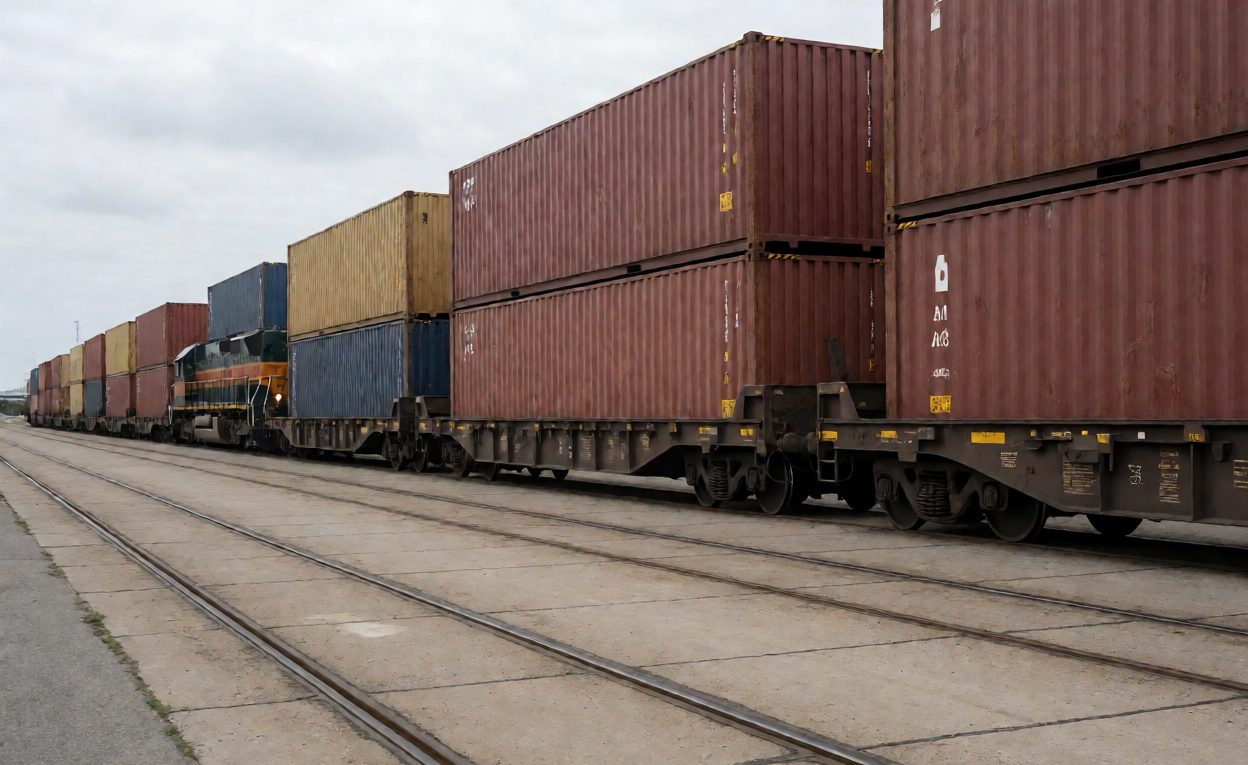
On the corridors where it operates, rail offers roughly a third of air’s transit time at a fraction of air’s cost, and a meaningful saving against the fastest sea options. It suits replenishment that is planned rather than urgent: steady mid-volume flows where a two-week saving against sea changes the reorder point without the air premium. The constraints are geographic and practical – fixed corridors, limited equipment types, and exposure to border and gauge changes that add handling at interchange points.
Decide on Landed Cost, Not Freight Rate
The comparison that settles the decision adds up everything the mode changes: freight, insurance, duty on the same declared value, terminal and destination handling, inventory carrying cost across the transit days, and the expected cost of stockouts at each arrival date. Run it per SKU on a per-unit basis and the breakpoints appear quickly – often a cube threshold where sea wins, a value threshold where air wins, and a corridor-specific band where rail fits between them.
Technical Background
Mode selection is the practical question inside freight transport: each mode prices a different constraint, weight and volume for air, container space for sea, slot capacity for rail. Container-based shipping rests on containerization, whose standardisation is why sea freight costs are quoted per box rather than per kilo. And combining modes on one journey is intermodal freight transport, which is exactly what a mixed plan exploits when it flies one tranche and sails the rest.
Planning Mixed Modes Through the Year
Most mature import programs use more than one mode, and not by accident. A common pattern: sea for the planned replenishment cycle, air for the first tranche of a new launch, and rail where a corridor serves the lane. Booking discipline matters as much as mode choice, because the cheapest option is the one with space when you need it.
The air-versus-sea trade-off in its simplest form is worked through in choosing between air and sea freight, and the arithmetic that makes the comparison honest is set out in landed cost calculation for wholesale imports. Filling containers efficiently is covered by split container and consolidation strategy y dimensional weight and carton right-sizing. Peak season changes every number here, which is why holiday season stock allocation y freight insurance claims belong in the same plan. Once goods land, the domestic leg matters just as much: zone skipping and bulk shipping rates shapes outbound cost from whichever location the chosen mode delivered to, which is the trade examined in US warehouse versus shipping from China.
Preguntas Frecuentes
¿Cuándo tiene sentido el transporte aéreo en un pedido por volumen?
When the weekly cost of waiting exceeds the freight premium: season openings, launches against a fixed date, replacing a failed batch, or testing demand.
¿A partir de qué volumen el flete marítimo se vuelve más barato?
Usually once the shipment fills a meaningful share of a container. Below roughly a third of a container, consolidation fees erode the per-unit advantage.
How much faster is rail than sea?
On corridors where rail operates, typically around half to two thirds of the sea transit time, at a cost well below air but above sea.
Why does air freight price on chargeable weight?
Because aircraft capacity is limited by both weight and volume. Light bulky goods are charged as if they weighed what their cube occupies.
Should I split one order across two modes?
Often yes. A small air tranche covers immediate demand while the sea shipment carries the volume at the lower per-unit cost.
What is the biggest hidden cost in sea freight?
Destination and terminal charges plus inventory carrying cost across transit weeks. Both sit outside the quoted freight rate and both are real.
How do I compare modes fairly?
On landed cost per unit: freight, insurance, duty, handling, carrying cost and expected stockout cost, calculated for each mode’s actual transit distribution.