

By Marcus Thorne — Senior Supply Chain Architect & E-commerce Strategist at Dropioneer. With over 12 years of experience mapping global freight routes and optimizing high-volume 3PL infrastructures for 7-figure Shopify brands.
The biggest lie sold to e-commerce founders is that scaling is purely a marketing problem. You are told to duplicate ad sets, increase your daily budgets, and let the pixel do the work. But when a brand spikes from 100 to 1,000 daily orders overnight, the ad account isn’t what breaks. The physical supply chain shatters.
Operating a high-velocity brand on a patchwork of generic suppliers and virtual agents guarantees failure at scale. The moment factory production lags behind your ad spend, you are forced into a corner. You generate fake tracking numbers, 3PL API latency skyrockets, and payment gateways like Stripe freeze your cash flow. To survive, you must engineer a mathematical, physical logistics moat.
Building sustainable enterprise value requires migrating from reactive dropshipping to proactive supply chain management. Let us dismantle the amateur fulfillment models and outline the exact infrastructure benchmarks required to protect your customer lifetime value (LTV).
The Physics of Scaling: Bypassing the Postal Bottleneck
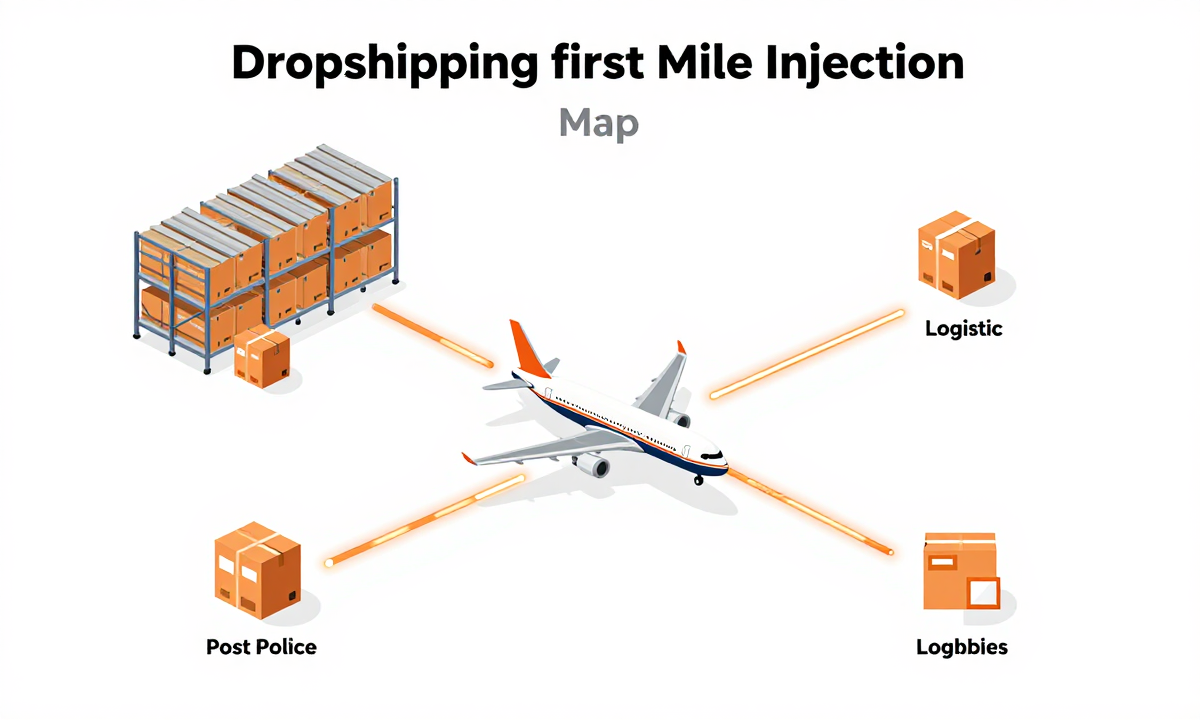
Amateur operators look at flat shipping rates; veteran supply chain architects calculate landed cost efficiency. When you scale past hundreds of orders, relying on standard ePacket or local national postal services will destroy your delivery times. You must transition to direct first-mile injection.
First-mile injection is the logistical process of transferring packaged goods directly from a warehouse into a commercial airline’s primary sorting hub, completely bypassing slow, local post offices. By skipping these redundant domestic sorting phases in the origin country, you instantly shave 3 to 5 days off your total transit time.
Without this infrastructure, your packages sit in shipping containers waiting for space on commercial passenger flights. At Dropioneer, our logistics framework utilizes dedicated aviation block-space. This ensures your products bypass the public postal queues and fly directly to the destination country, maintaining a stable 6-12 day global trackable shipping standard.
Mastering Unit Economics: Volumetric Weight and DDP Protocols
If you are pushing massive daily volume, hidden carrier fees will silently drain your net margin. The most common culprit is a misunderstanding of how aviation freight is billed. Most dropshippers assume they pay by the gram. In reality, carriers bill based on volumetric weight.
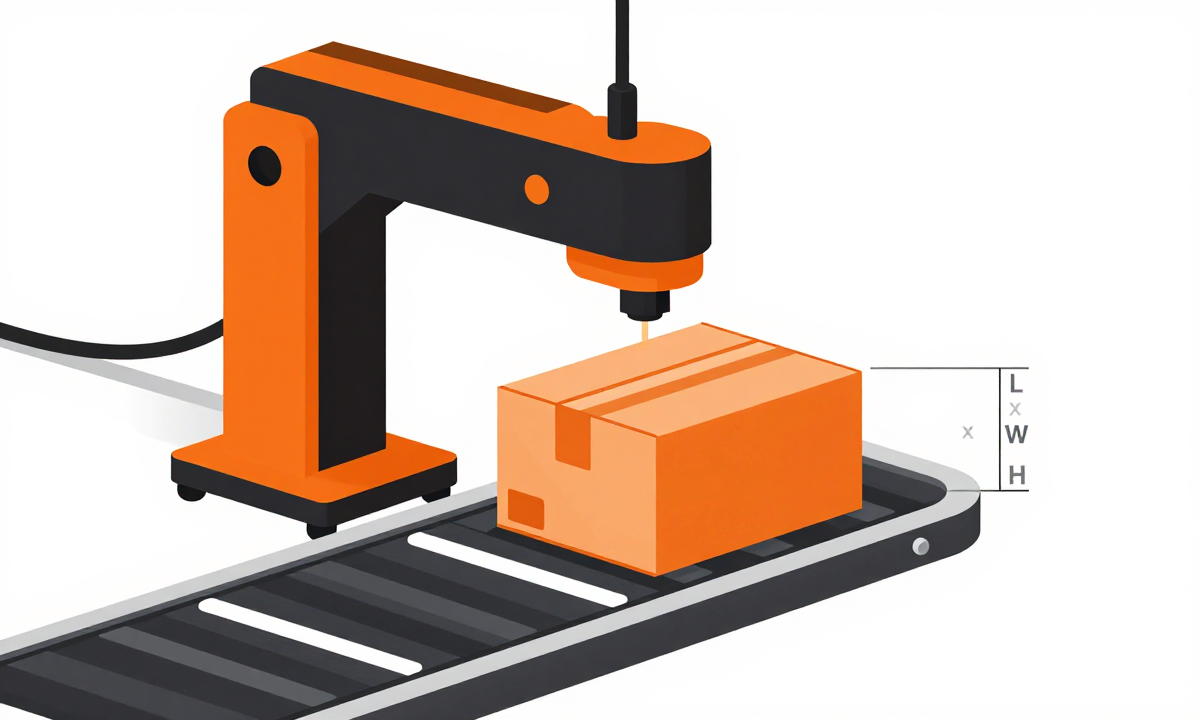
Volumetric weight is a pricing technique used by freight carriers that calculates shipping costs based on the package’s dimensions (Length × Width × Height) rather than its actual physical mass. If your fulfillment partner ships a small electronics item in an oversized, unoptimized box, you are literally paying to ship empty air across the ocean.
To eliminate this, an enterprise warehousing partner will utilize 3D scanning technology to select the mathematically perfect packaging size for every SKU combination. Furthermore, these shipments must be routed using strict DDP (Delivered Duty Paid) protocols.
DDP protocols are shipping agreements where the seller assumes all responsibility, risk, and costs for import taxes, ensuring the customer never receives a surprise customs bill. Routing your packages via DDP lines prevents packages from being held at customs, which is the primary cause of delayed deliveries and rising chargeback ratios.
Industry Benchmarks: Amateur vs. Enterprise Fulfillment
To evaluate if your current fulfillment setup can handle a viral surge, you must compare it against objective industry standards. Below is a benchmark comparison of the amateur dropshipping model versus the Enterprise 3PL standard required for 7-figure scale.
| Operational Metric | Amateur / Virtual Agent Model | Enterprise 3PL Benchmark (Industry Standard) |
|---|---|---|
| Inventory Model | Reactive (Sourced after payment) | Proactive (Pre-stocked based on SKU velocity) |
| Order Processing Velocity | 3-7 Days | < 24 Hours |
| Defect / Chargeback Rate | 2.0% – 5.0%+ (High Gateway Risk) | < 0.5% (Mandatory Pre-Shipment QC) |
| Global Transit Time | 15-25 Days (Standard Postal) | 6-12 Days (First-Mile Injection) |
| Customs Clearance | DDU (Customer pays hidden taxes) | 100% Cleared via DDP lines |
Note: At Dropioneer, our self-owned 3,000 m² facility and proprietary software are engineered specifically to meet and exceed these enterprise benchmarks, providing a seamless transition for brands outgrowing their current agents.
Eradicating Defects with Pre-Shipment Quality Control
When you scale to 1,000 orders a day, a 2% factory defect rate means you are shipping 20 broken products to paying customers every single morning. That equates to 20 guaranteed refunds, 20 angry emails to your customer service team, and a rapidly deteriorating trust score on your merchant processors.
You cannot rely on a factory to police its own quality. An enterprise fulfillment strategy requires a physical firewall between the manufacturer and the end consumer. Rigorous physical inspection must occur before the item ever enters a poly-mailer.
Every unit must be tested for functionality, cosmetic damage, and correct specifications. Implementing a strict quality check protocol fundamentally eradicates upstream factory errors. Catching these defects at the source guarantees a 99.9% flawless delivery rate, protecting your capital from expensive international reverse logistics.
Building Moats with Custom Unboxing Experiences
Once your logistics infrastructure is stabilized, the focus must shift to increasing your Average Order Value (AOV) and brand equity. Sending a product in a generic, gray plastic bag screams “dropshipping.” It commoditizes your product and kills repeat purchases.
The transition from a transient storefront to a high-valuation brand is cemented by the unboxing experience. You do not need to order 10,000 units to start branding. Modern supply chains allow for low-MOQ custom inserts, branded tape, and premium mailer boxes.
We empower founders to integrate high-end promotional media and custom packaging directly into their fulfillment flow. By elevating the physical touchpoint, you justify higher retail prices and transform one-time buyers into loyal brand advocates.
Conclusion: Audit Your Supply Chain Before You Scale
Scaling a brand without a robust fulfillment strategy is financial suicide. If your backend relies on reactive sourcing, ignores volumetric weight optimization, and ships via slow DDU postal lines, your business will collapse under the weight of its own marketing success.
To capture and retain market share, you must operate at the enterprise benchmark. You need physical infrastructure, data-driven injection routes, and uncompromising quality control protocols to ensure your customers receive a flawless product in under two weeks.
Stop risking your ad spend on virtual middlemen. Review our FAQ and technical documentation, then audit your current unit economics. When you are ready to implement a logistics framework built for 7-figure volume, connect with a Dropioneer supply chain architect to secure your infrastructure.
Frequently Asked Questions
How does first-mile injection reduce 3PL API latency?
First-mile injection physically moves the product to the airline faster, but it also triggers the carrier’s primary tracking scan immediately. This zero-latency data sync pushes the live tracking number back to your Shopify store instantly, satisfying payment gateways and eliminating the “ghost stock” penalty.
Can DDP protocols be implemented for all target countries?
DDP lines are highly effective for major e-commerce markets, including the US, UK, EU, and Australia. By pre-paying the customs duties based on specific international trade agreements, we ensure the parcel bypasses local customs holds, maintaining our strict 6-12 day delivery window.
How do you calculate volumetric weight for bundle offers?
When customers order multiple SKUs, our warehouse management system utilizes 3D spatial algorithms to determine the smallest possible custom box that safely fits all items. This consolidation prevents you from being charged multiple individual volumetric weight fees, drastically lowering your overall landed cost.
What is the standard procedure if a product fails the pre-shipment quality check?
If an item fails our rigorous physical inspection, it is immediately quarantined. Because our 3,000 m² facility is located near the manufacturing hubs in China, our team instantly negotiates a replacement directly with the factory. This happens seamlessly in the background, ensuring no defective unit ever reaches your customer.